
Why ENSO Peaks in Winter: New Clues from MITgcm
 Idealized MITgcm experiments reveal how monsoonal heating steers the timing of El Niño events.
Smarter Coastal Sea Level Forecasting
 Researchers use MITgcm to help improve seasonal US Gulf and East Coast sea level forecasts.
Probing Possible Tipping Points
 Research using MITgcm reveals surprising shifts in Atlantic Ocean circulation under sudden climate forcing.
Seasonal Ocean Transport Along the Indian Coast
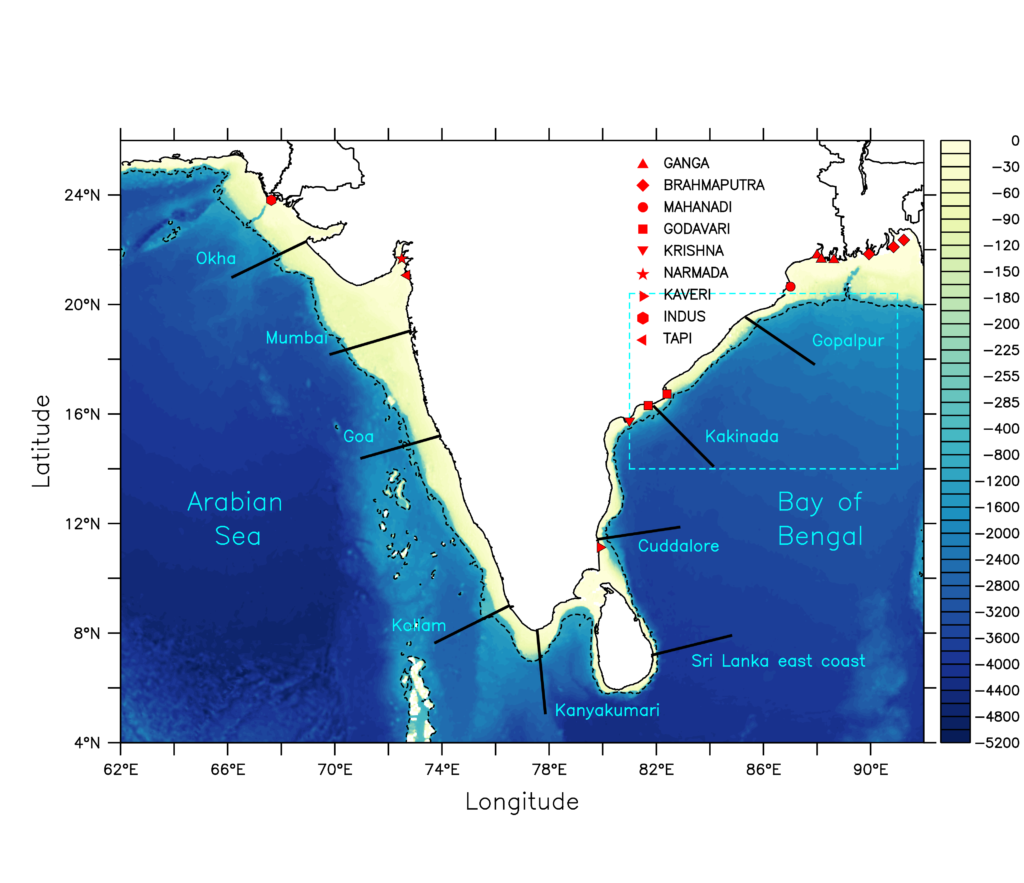 High-resolution modeling reveals how monsoons, eddies, and equatorial forces shape the movement of water, heat, and freshwater—critical for climate and coastal forecasting.
.
Leaky Eddies
 Researchers from Fudan University, Shanghai, China have been using MITgcm to explore leakage in cyclonic and anticyclonic mesoscale eddies.
MITgcm in the Chukchi Sea
 By integrating MITgcm with satellite altimetry data, German researchers are able to validate Chukchi Sea observations and refine their understanding of the region’s ocean circulation patterns.
Fluctuating Flows
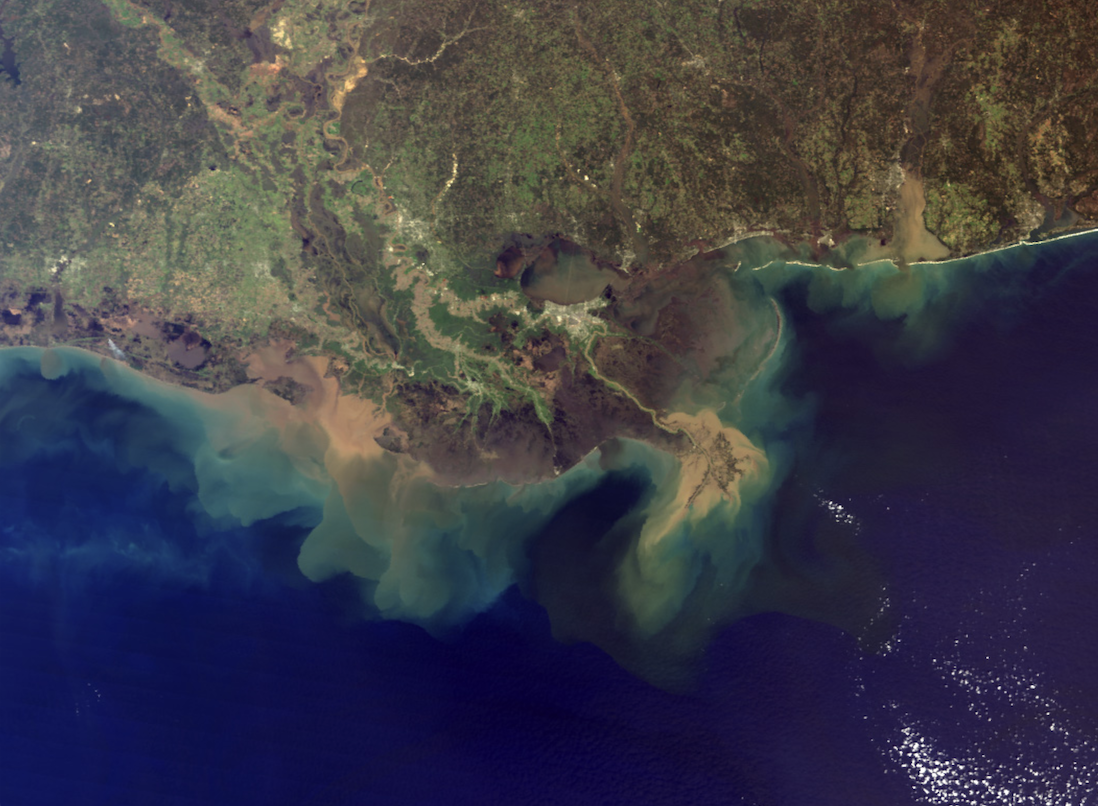 Research using MITgcm explores the impact of including nonseasonal river discharge in a global ocean model.
An Ocean of Plastic
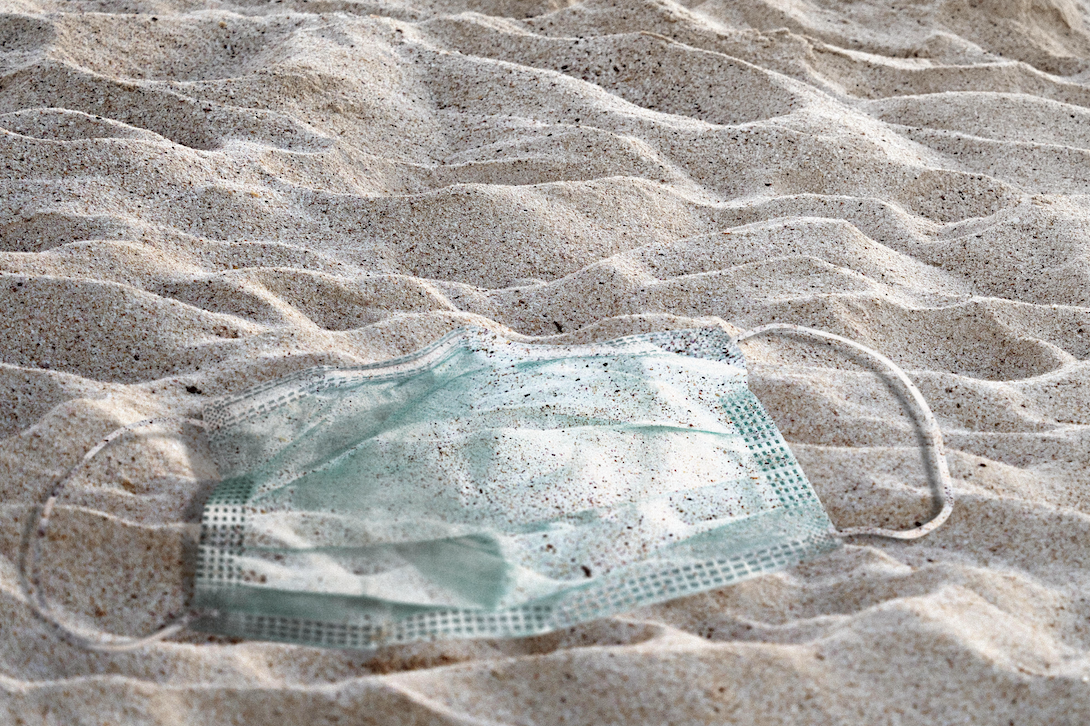 Using their hybrid MITgcm-plastic model a Chinese-US collaboration explores the fate of the excess trash generated by COVID.
Blooming Antarctica
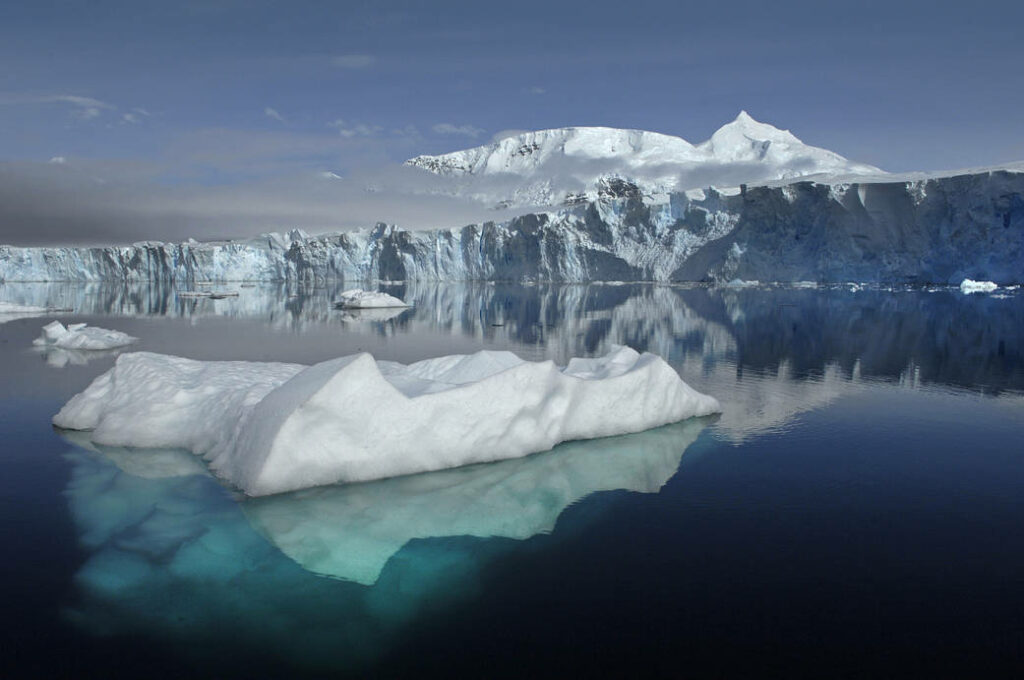 Researchers use MITgcm to understand how phytoplankton blooms and inorganic carbon respond to sea-ice variability in the West Antarctic Peninsula.
Arctic Shipping Forecast
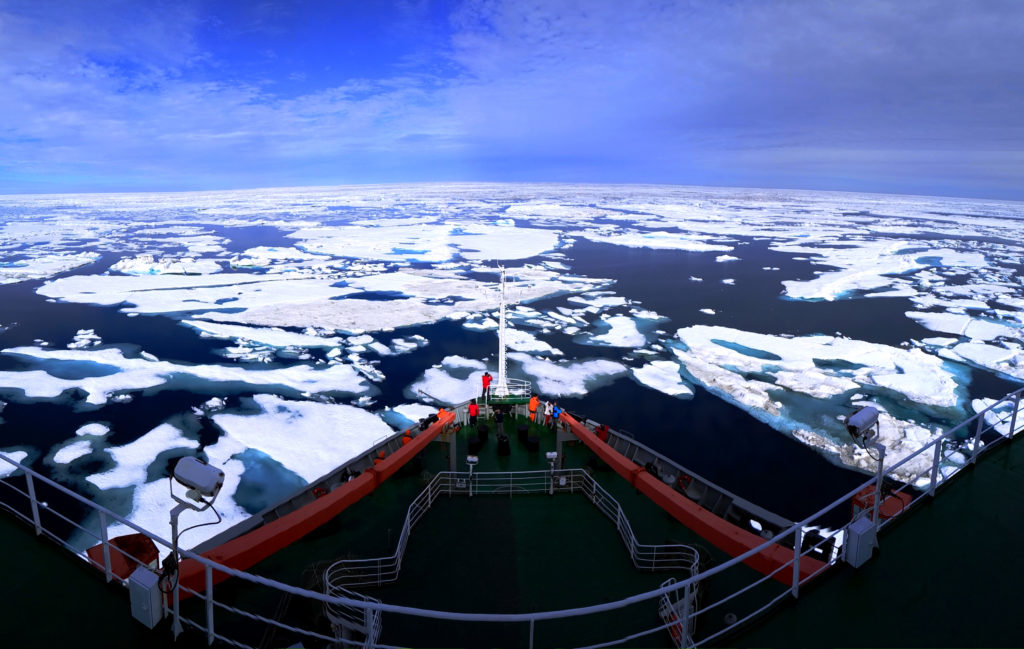 MITgcm underpins a new Chinese Arctic sea-ice prediction system.