
Recent posts
Categories
- Adjoint Modeling (6)
- Atmospheric Modeling (11)
- Biogeochemical Modeling (13)
- Climate modeling (20)
- Coupled Modeling (14)
- Lake Modeling (1)
- Model development (8)
- Model-data assimilation (19)
- Ocean modeling (83)
- Offline Modeling (9)
- Planetary Atmospheres (6)
- Sea-ice Modeling (11)
- Uncategorized (18)
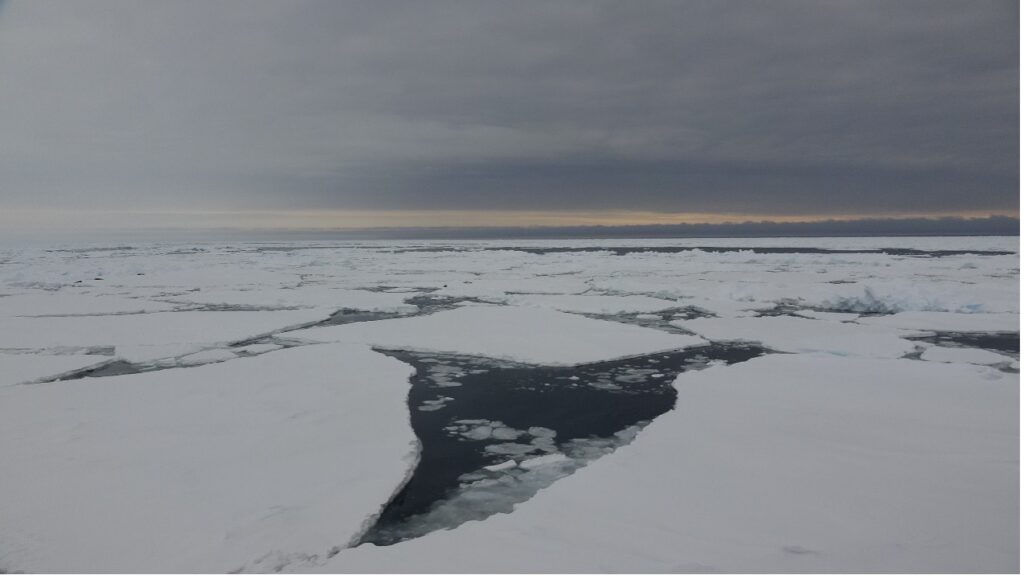 Improving the performance of the Data Assimilation System for the Southern Ocean in assimilating sea-ice concentration (SIC) through optimizing model-dependent parameters.
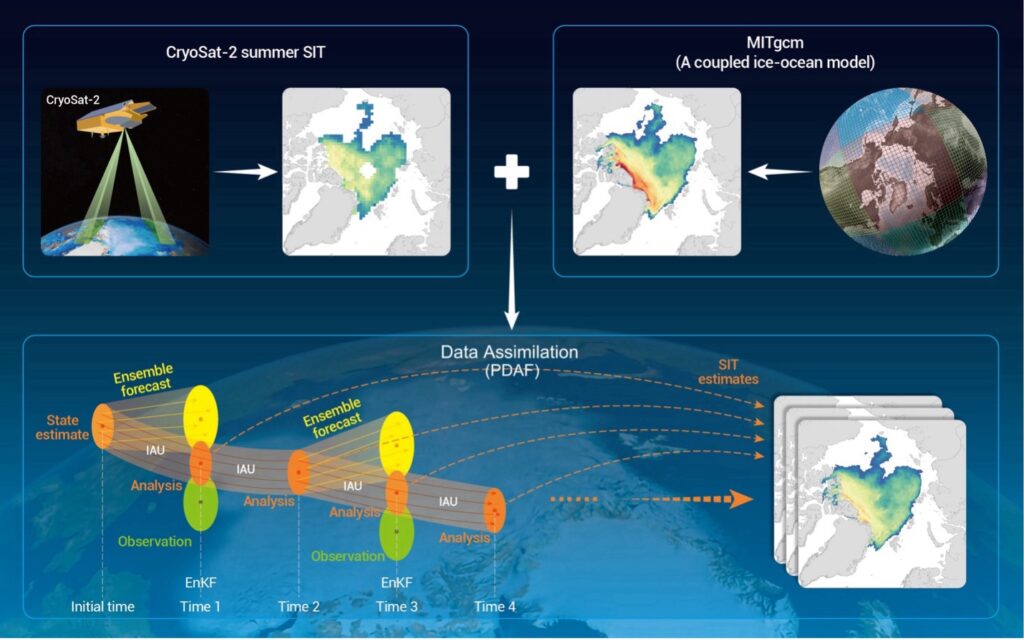 By incorporating satellite observations of summer sea ice thickness and concentration into MITgcm., a team of researchers from China and Germany is helping improve Arctic summer sea ice thickness estimation.
 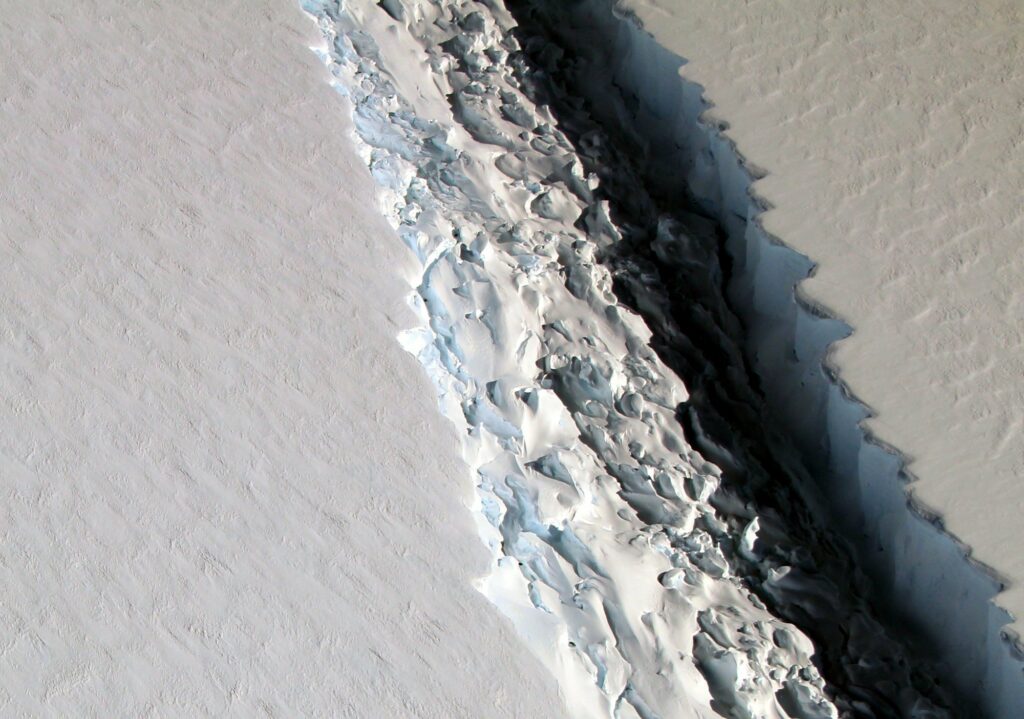 Mattia Poinelli uses MITgcm to explore what role rifts and icebergs play in shaping the dynamics of Antarctic ice shelves.
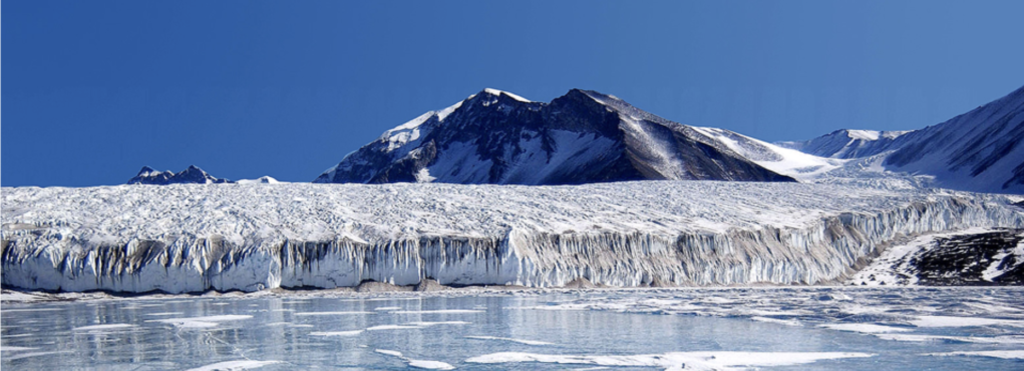 This month we spotlight research using a regional implementation of MITgcm to explore Antarctic subglacial runoff.
 This month, a taste from the blizzard of papers using MITgcm served up at the European Geophysical Union General Assembly this year.
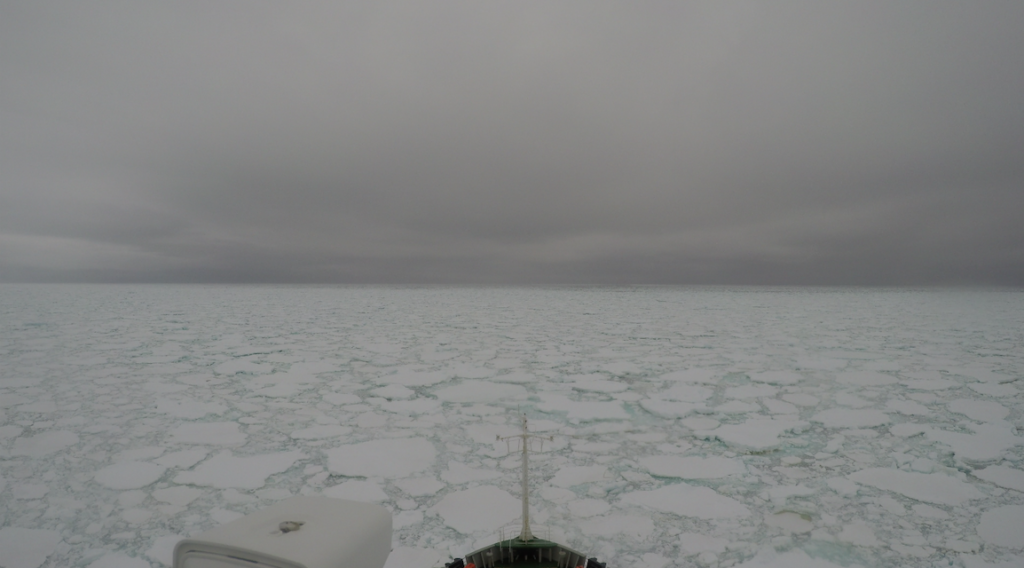 A team of researchers from China and the US has created a new atmospheric ensemble forcing for MITgcm to improve the accuracy and the uncertainty estimation of Antarctic sea ice simulation.
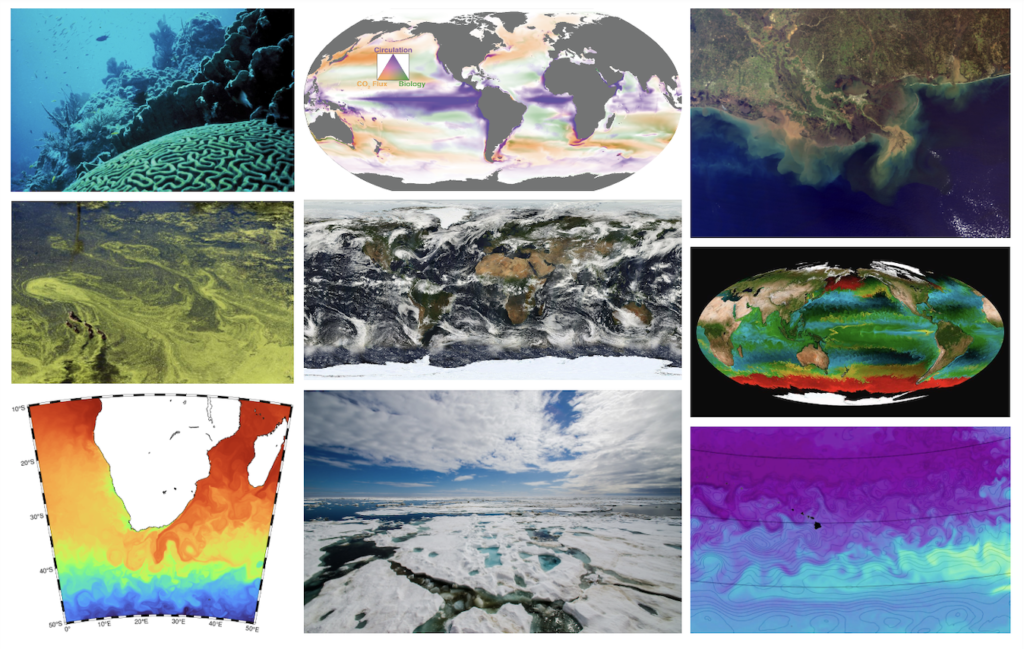 Happy 2023: Another new year, another new research roundup! Best wishes as always to MITgcmers past, MITgcmers present and MITgcmers yet to come…
 New global-ocean, data-constrained DIC budget uses the ECCO-Darwin ocean biogeochemistry state estimate.
 This month, a taste from the smorgasbord of papers using MITgcm served up at this year’s Ocean Sciences Meeting.
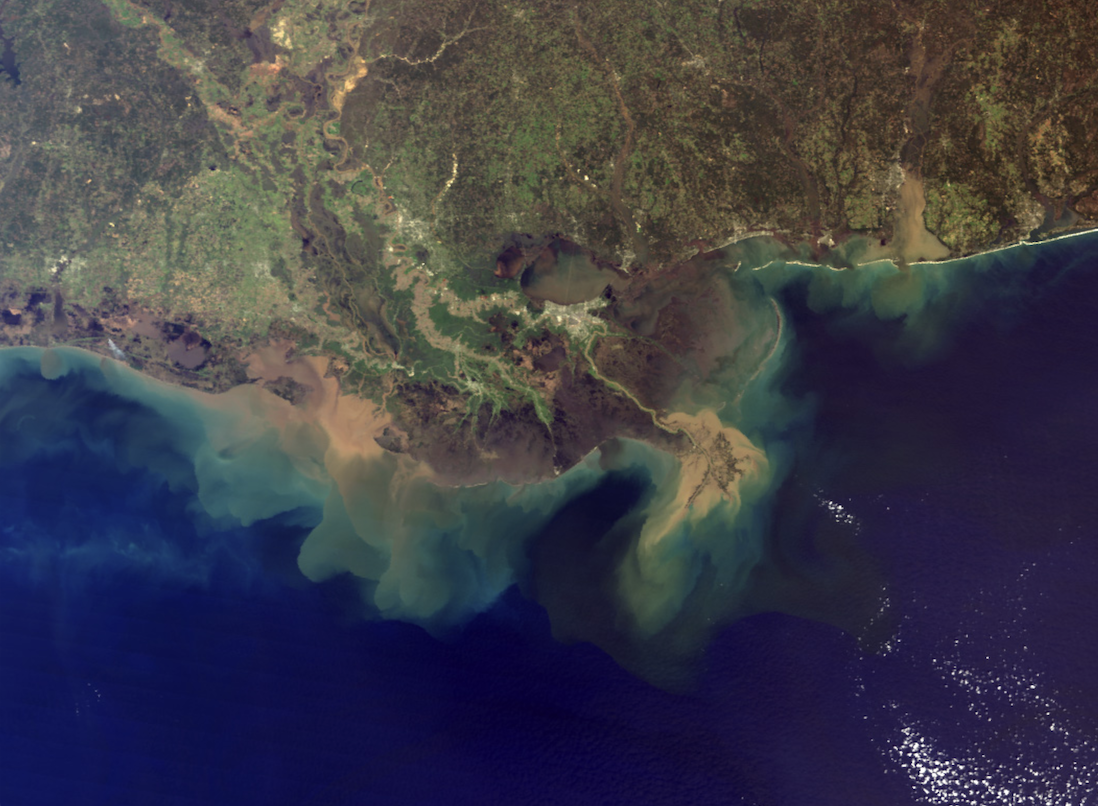 Research using MITgcm explores the impact of including nonseasonal river discharge in a global ocean model.