
Recent posts
Categories
- Adjoint Modeling (6)
- Atmospheric Modeling (11)
- Biogeochemical Modeling (13)
- Climate modeling (20)
- Coupled Modeling (14)
- Lake Modeling (1)
- Model development (8)
- Model-data assimilation (19)
- Ocean modeling (83)
- Offline Modeling (9)
- Planetary Atmospheres (6)
- Sea-ice Modeling (11)
- Uncategorized (18)
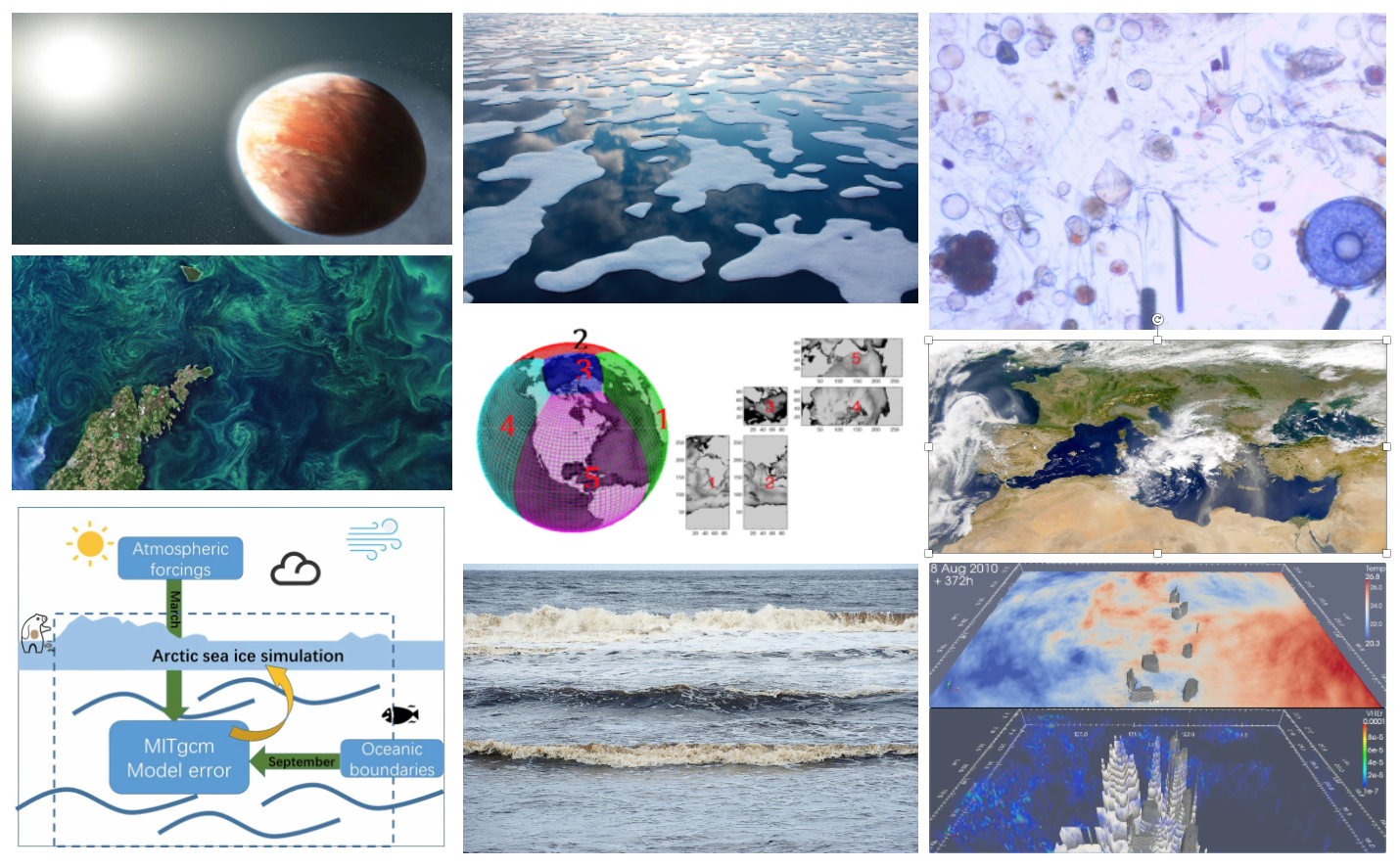 Happy 2021: Another new year, another new research roundup! Best wishes as always to MITgcmers past, MITgcmers present and MITgcmers yet to come…
 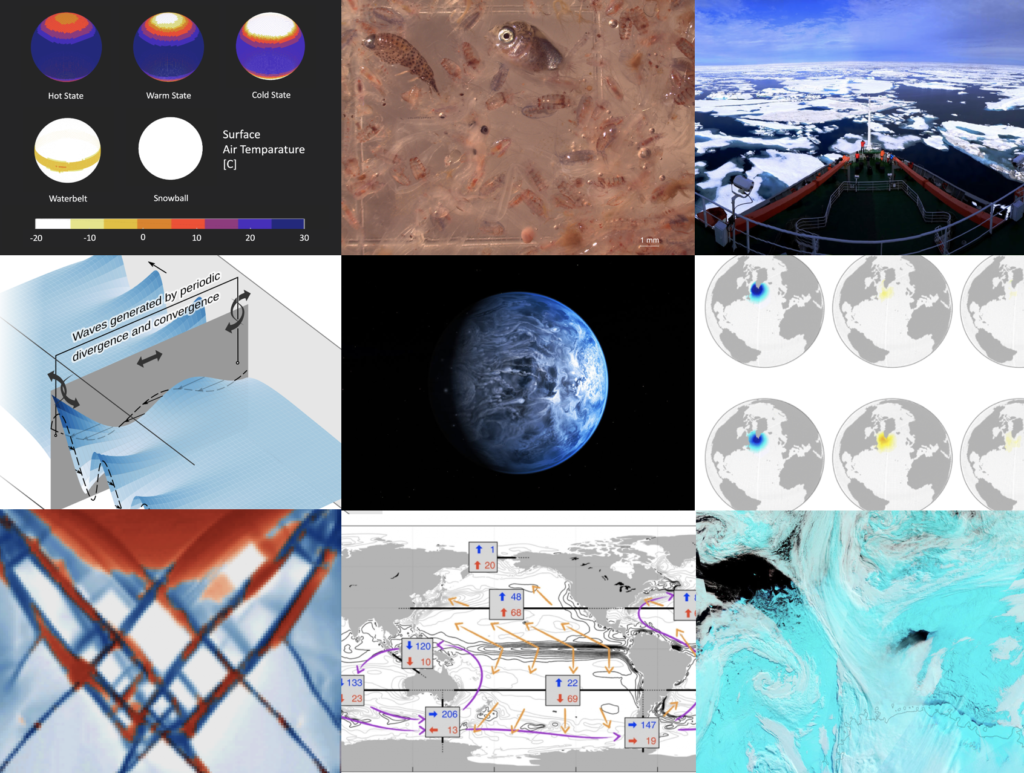 Happy 2020: Another new year, another new decade, another new research roundup! Best wishes as always to MITgcmers past, MITgcmers present and MITgcmers yet to come…
 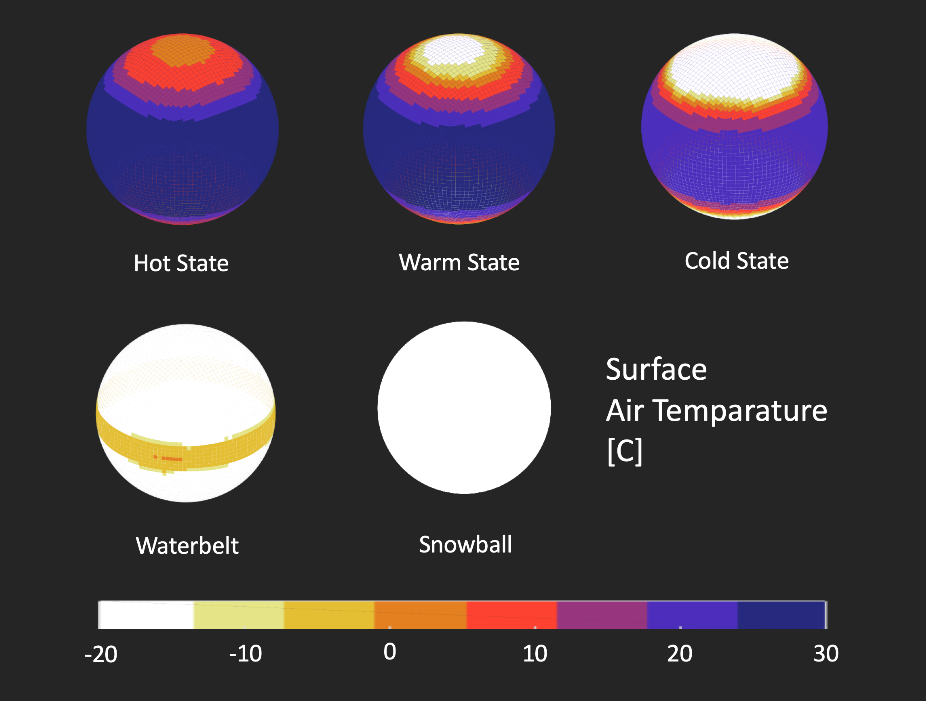 A group at UNIGE in Switzerland uses MITgcm aquaplanet experiments to probe climate sensitivity.
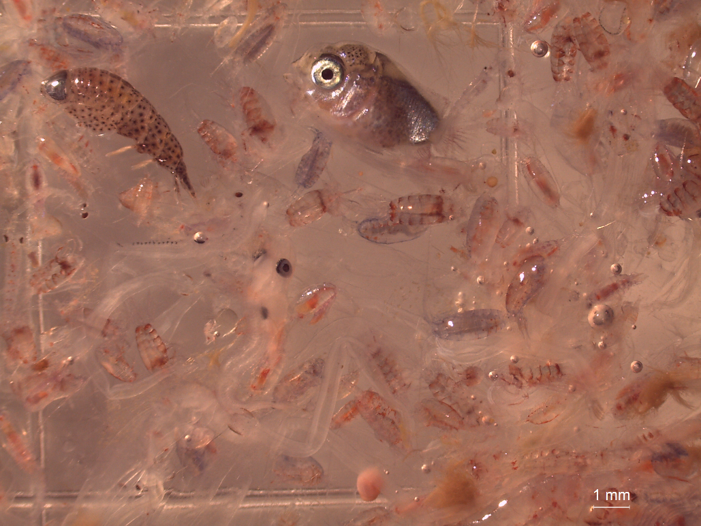 FSU graduate student Taylor Shropshire has been using MITgcm to explore zooplankton dynamics in the Gulf of Mexico.
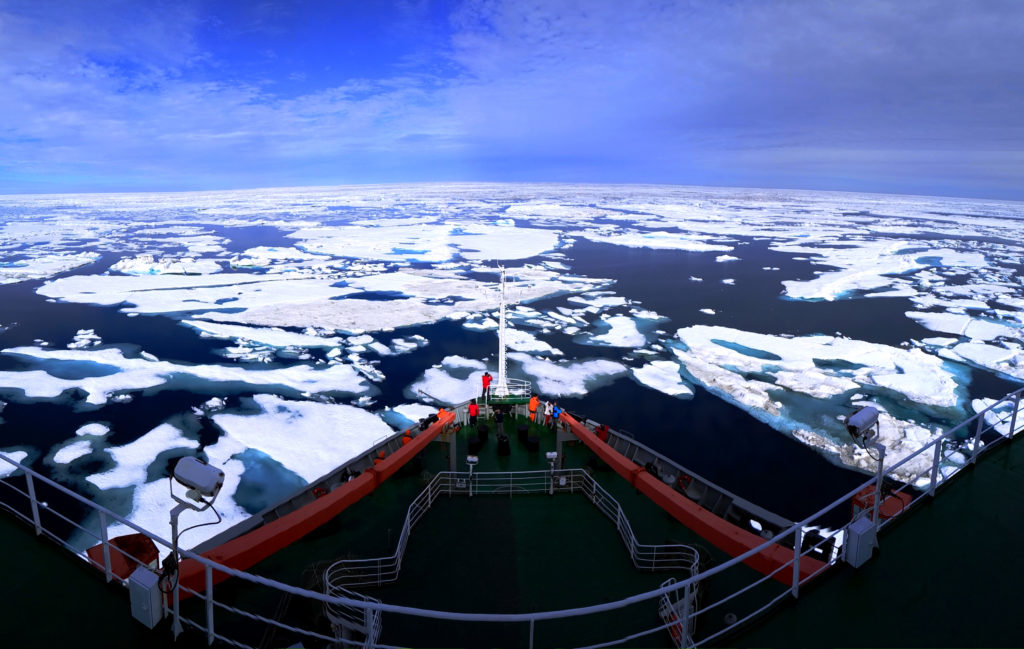 MITgcm underpins a new Chinese Arctic sea-ice prediction system.
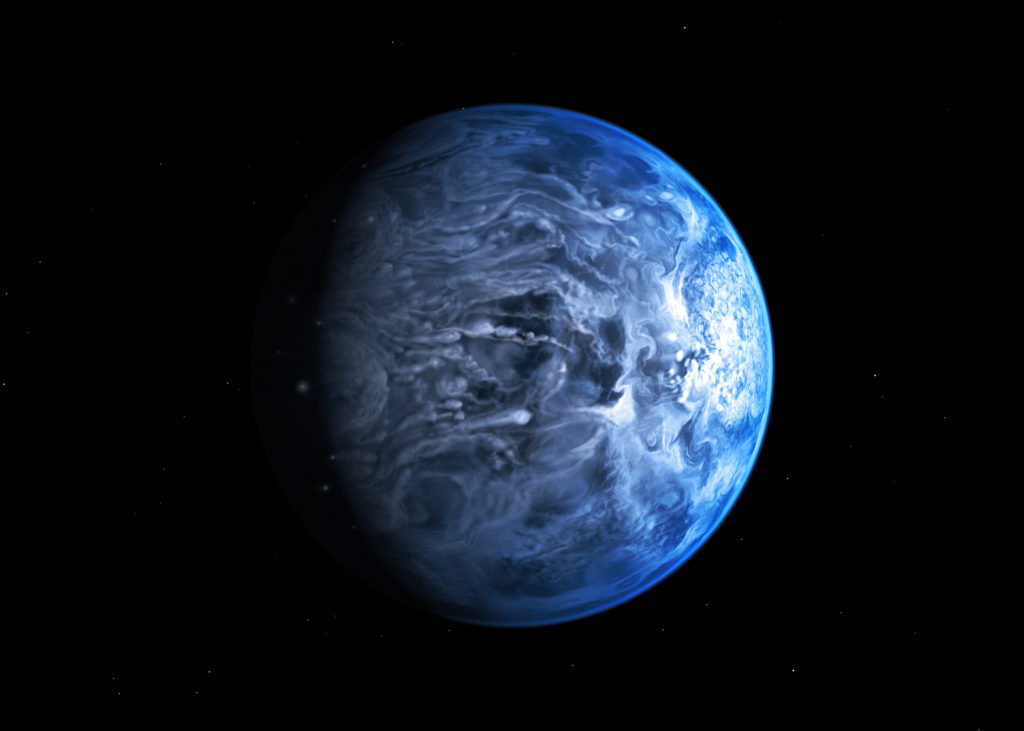 A team of US and UK-based researchers has been using MITgcm to explore the effect of disequilibrium chemistry on the atmospheric circulation and radiative transfer characteristics of Hot Jupiters.
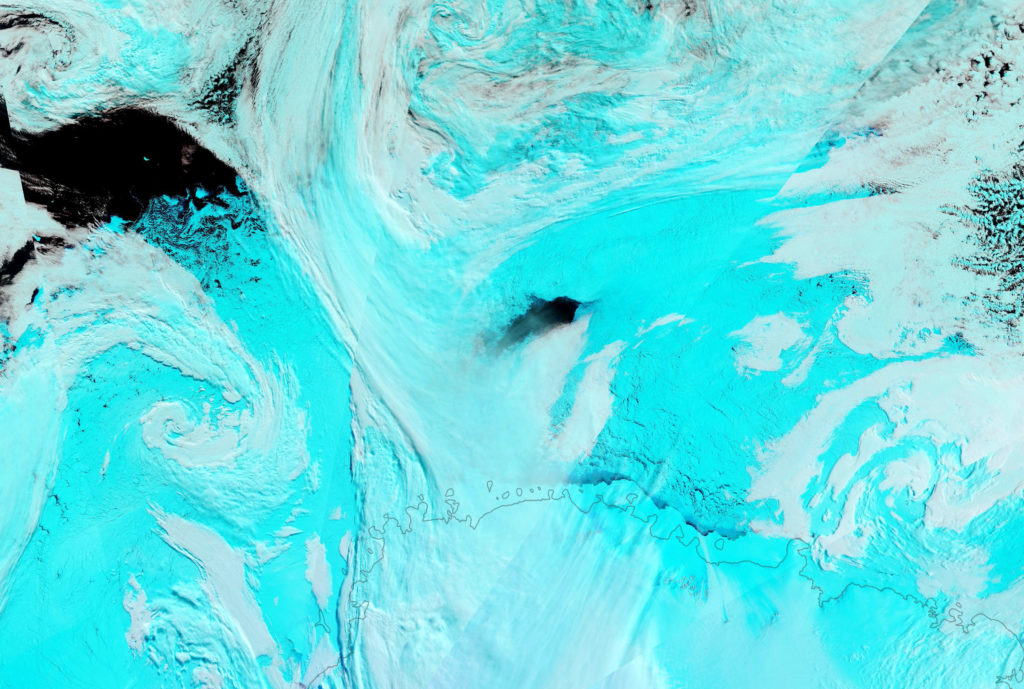 A new study from British Antarctic Survey uses MITgcm to explore what effect excessive Weddell Sea convection may have on nearby continental ice shelves.
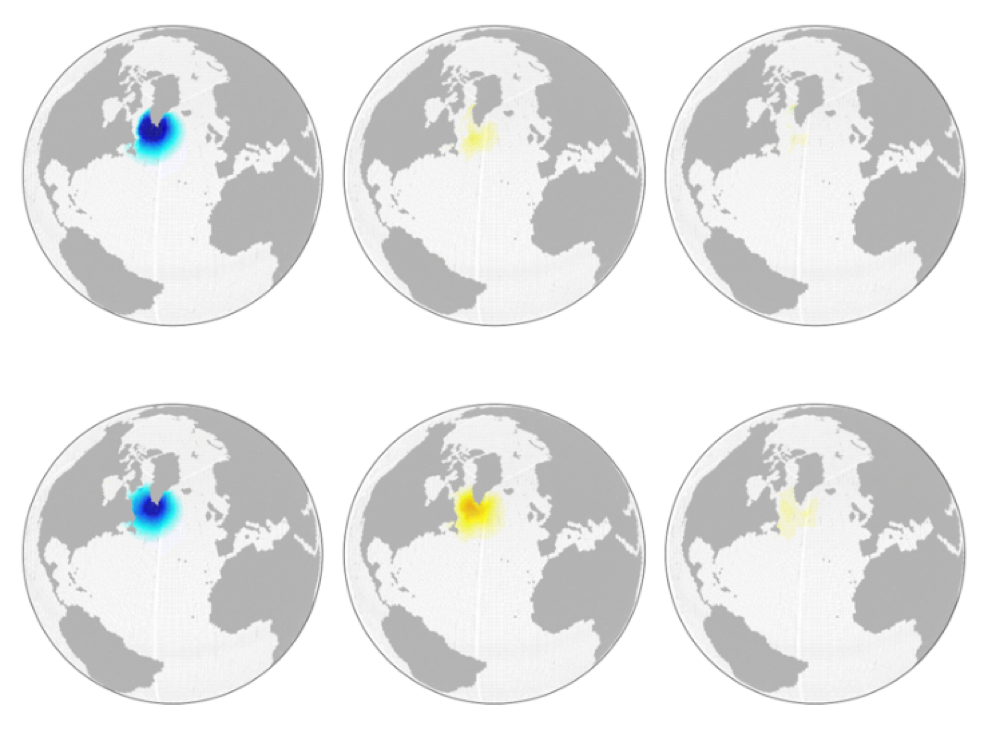 A team from the UK has been using an ocean-only configuration of the MITgcm and its adjoint to explore the sensitivity of the Atlantic Meridional Overturning Circulation to surface heat and freshwater fluxes over the Subpolar Gyre.
 Researchers from Germany and Canada study fracturing of sea ice by comparing different rheologies in the MITgcm sea-ice package
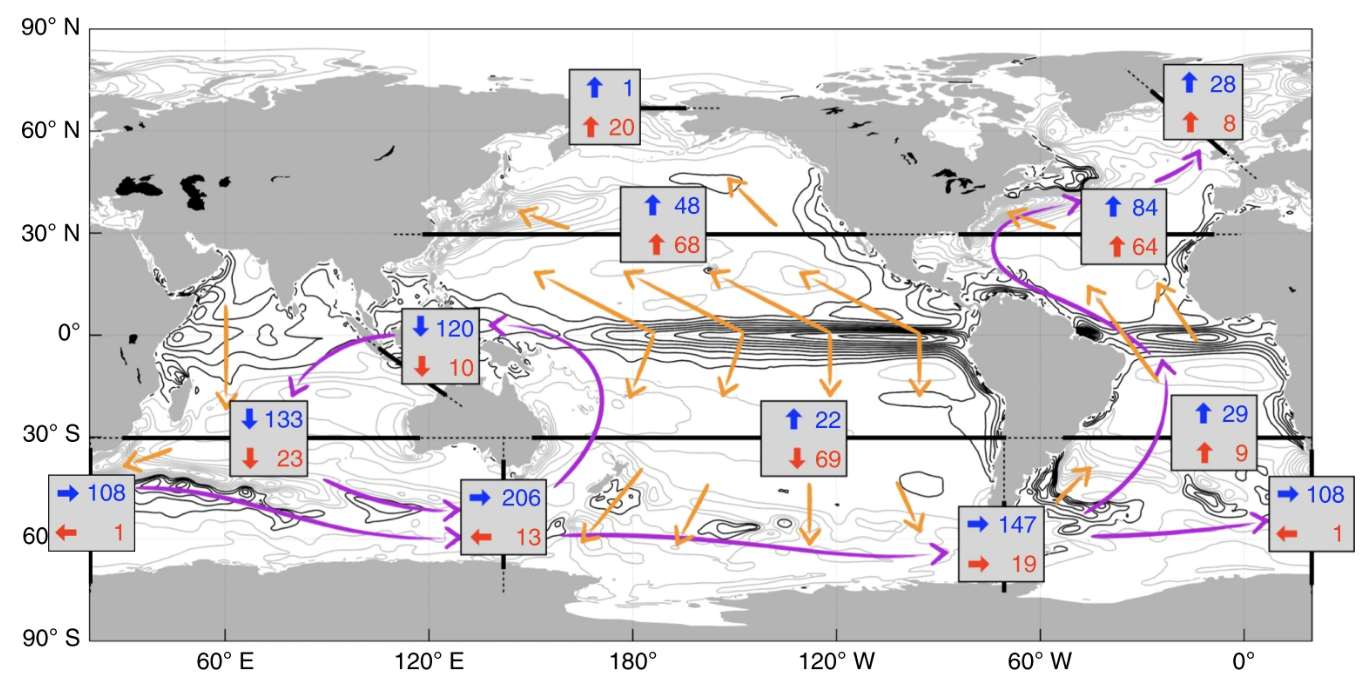 Researchers in the US and the UK have been analyzing ocean heat transport in a recent ECCO dataset to investigate how it varies globally