
Recent posts
Categories
- Adjoint Modeling (6)
- Atmospheric Modeling (11)
- Biogeochemical Modeling (13)
- Climate modeling (20)
- Coupled Modeling (14)
- Lake Modeling (1)
- Model development (8)
- Model-data assimilation (19)
- Ocean modeling (83)
- Offline Modeling (9)
- Planetary Atmospheres (6)
- Sea-ice Modeling (11)
- Uncategorized (18)
 Happy 2022: Another new year, another new research roundup! Best wishes as always to MITgcmers past, MITgcmers present and MITgcmers yet to come…
  Using their hybrid MITgcm-plastic model a Chinese-US collaboration explores the fate of the excess trash generated by COVID.
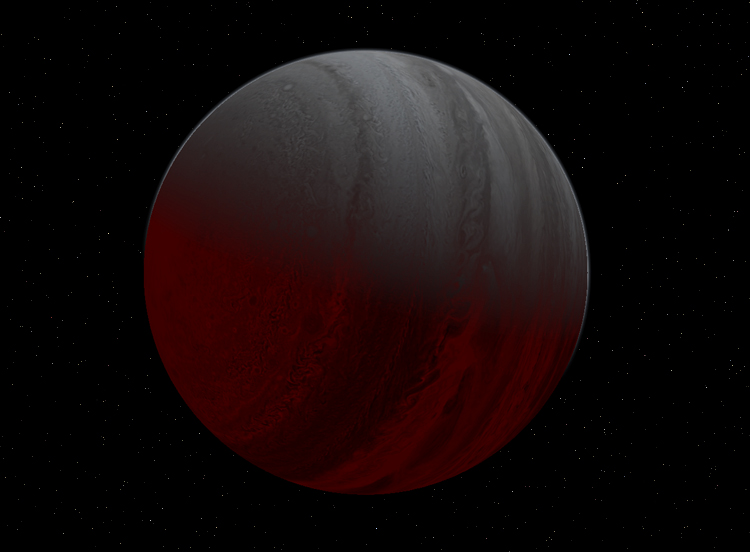 Three groups using MITgcm shared their Hot Jupiter research at this year’s European Planetary Science Congress.
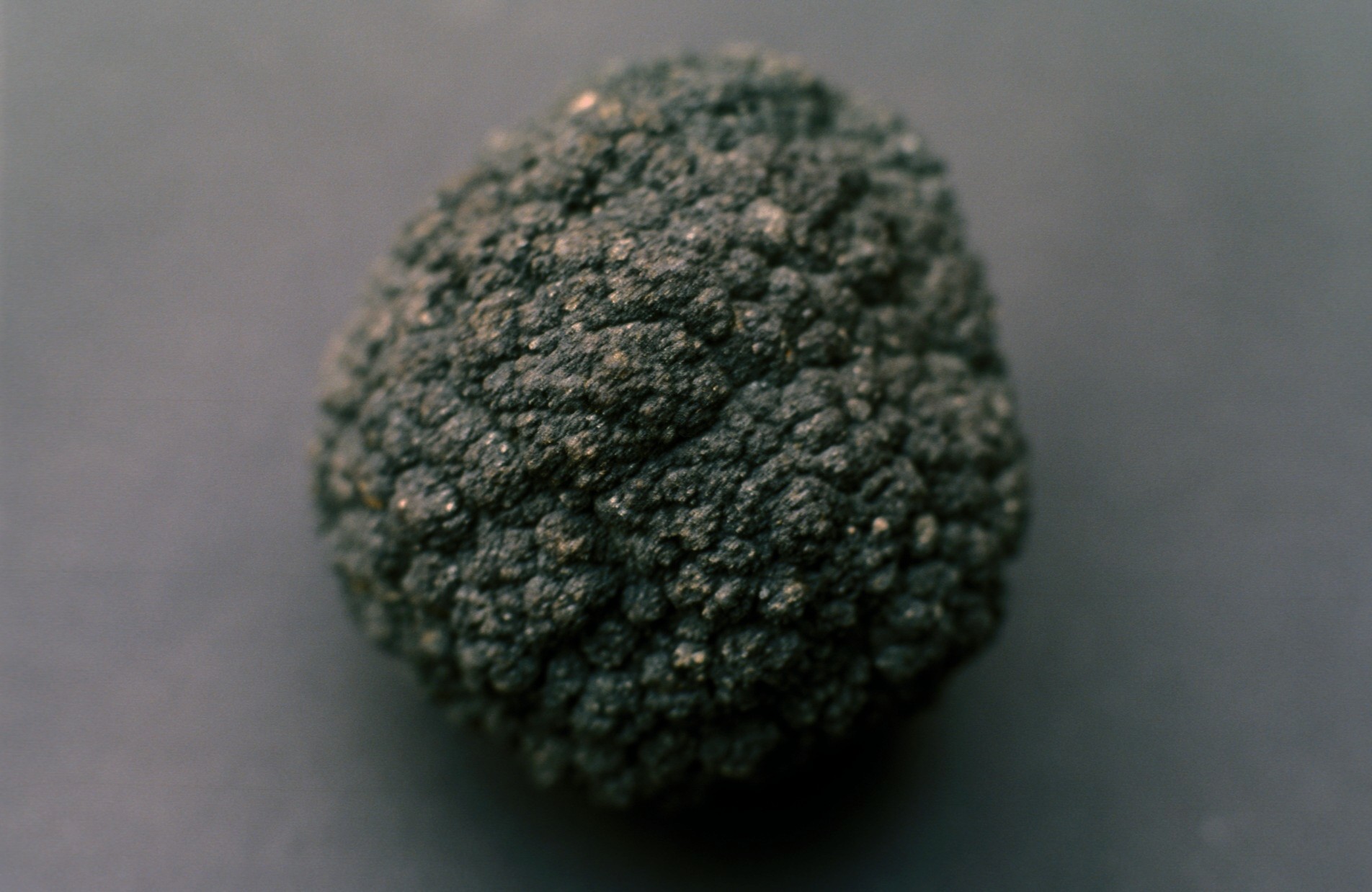 A contingent of European researchers use MITgcm to predict how sediments kicked up by seafloor mining disperse.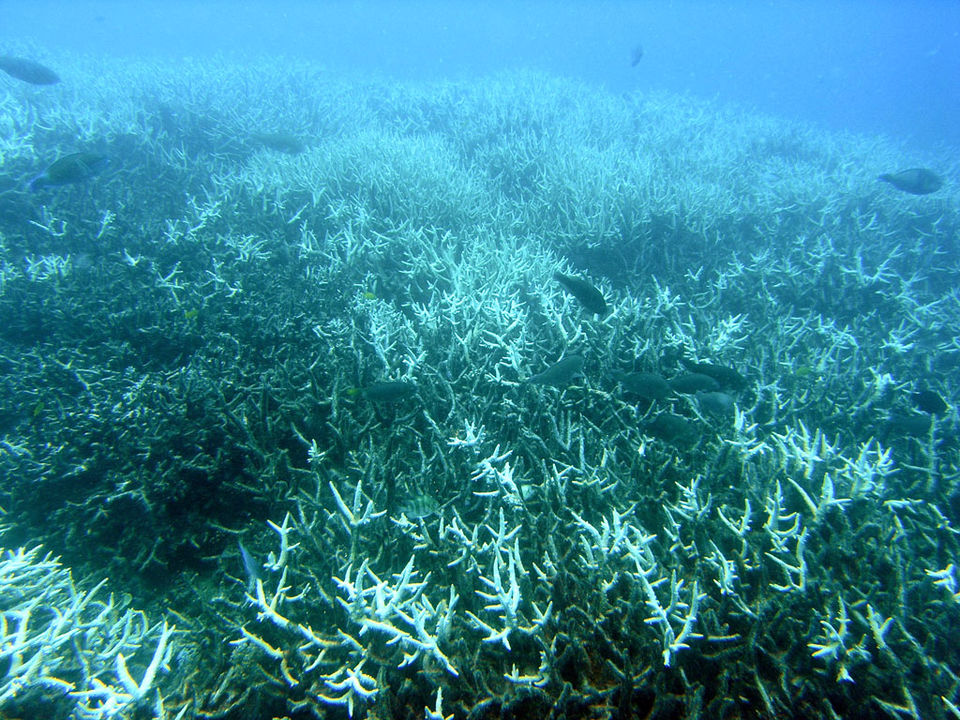
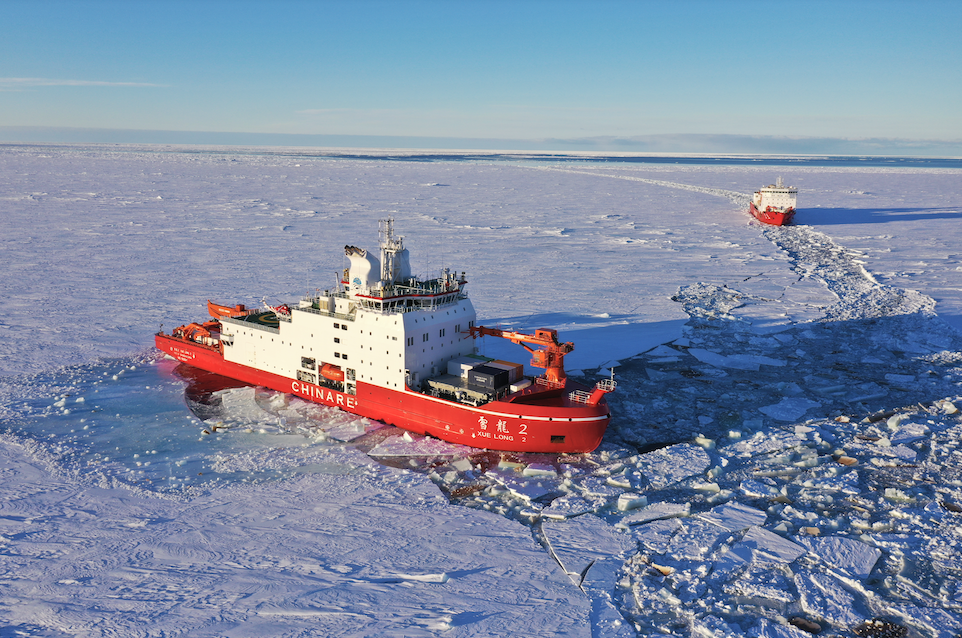
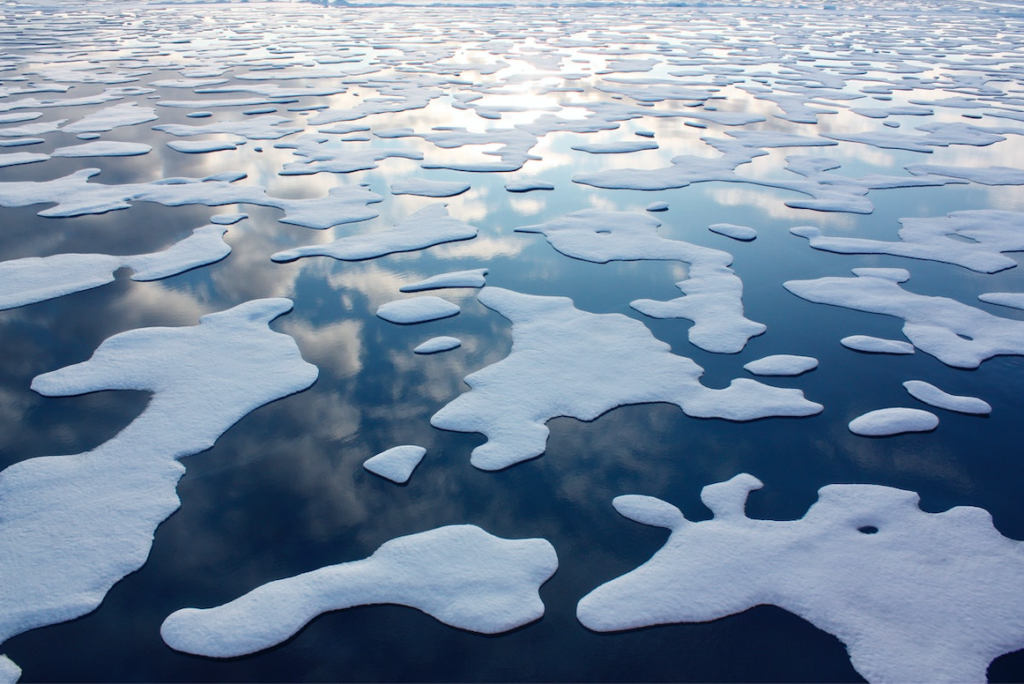 Geologists from WHOI and UMass have been using MITgcm to probe whether melting arctic sea-ice could have slowed the AMOC enough to precipitate the Younger Dryas.
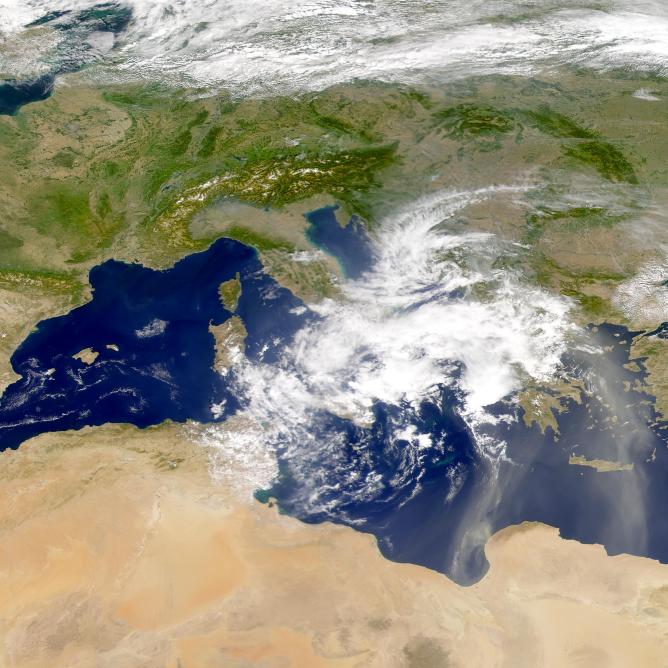 A team of Italian climate modelers has been evaluating the performance of a new version of the Regional Earth System Model (RegCM-ES) over the Mediterranean region. The model uses MITgcm for its ocean component.
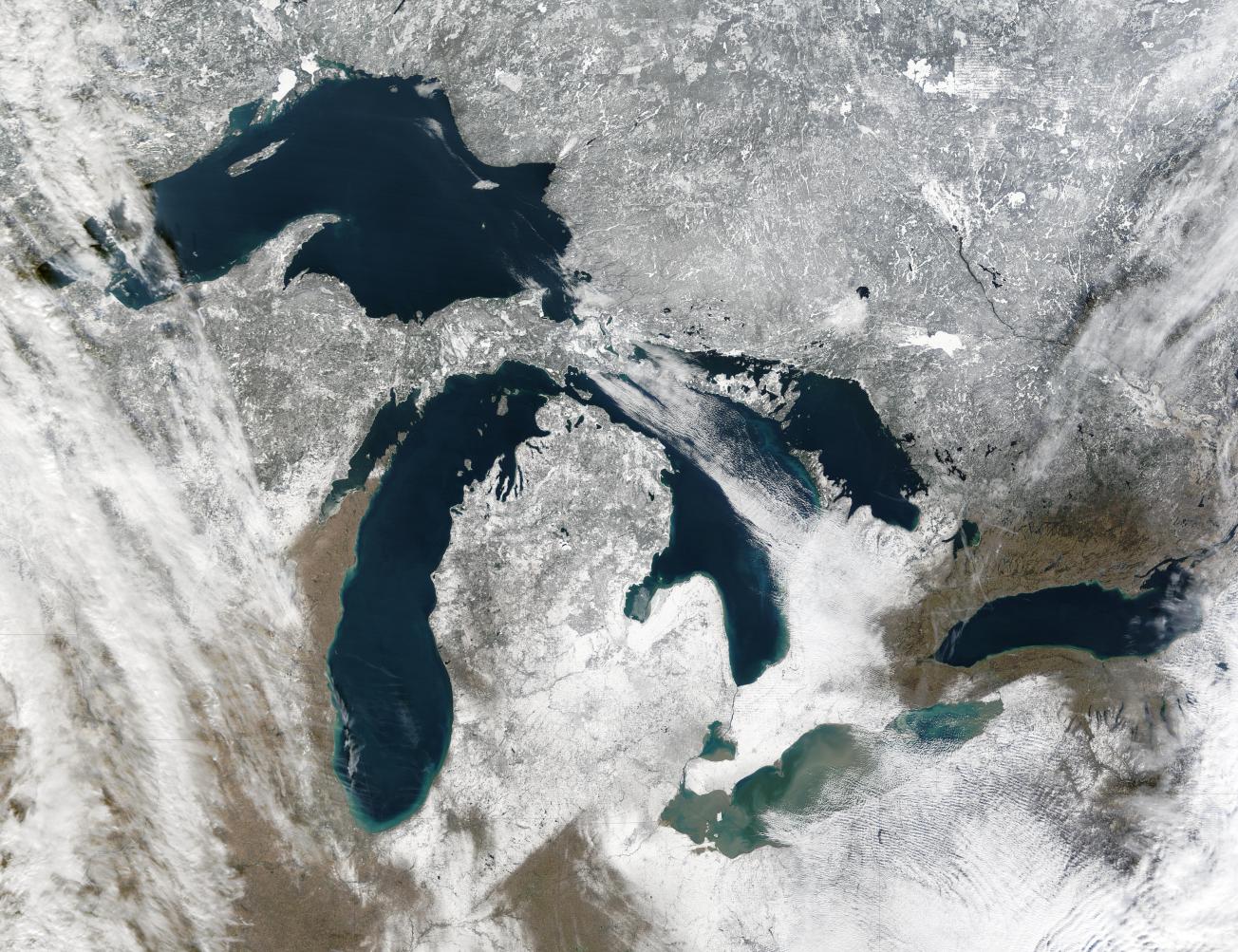 Researchers use MITgcm to demonstrate how hydrodynamic processes in lakes can intensify the potential impact of watershed pollutants on coastal ecosystems.
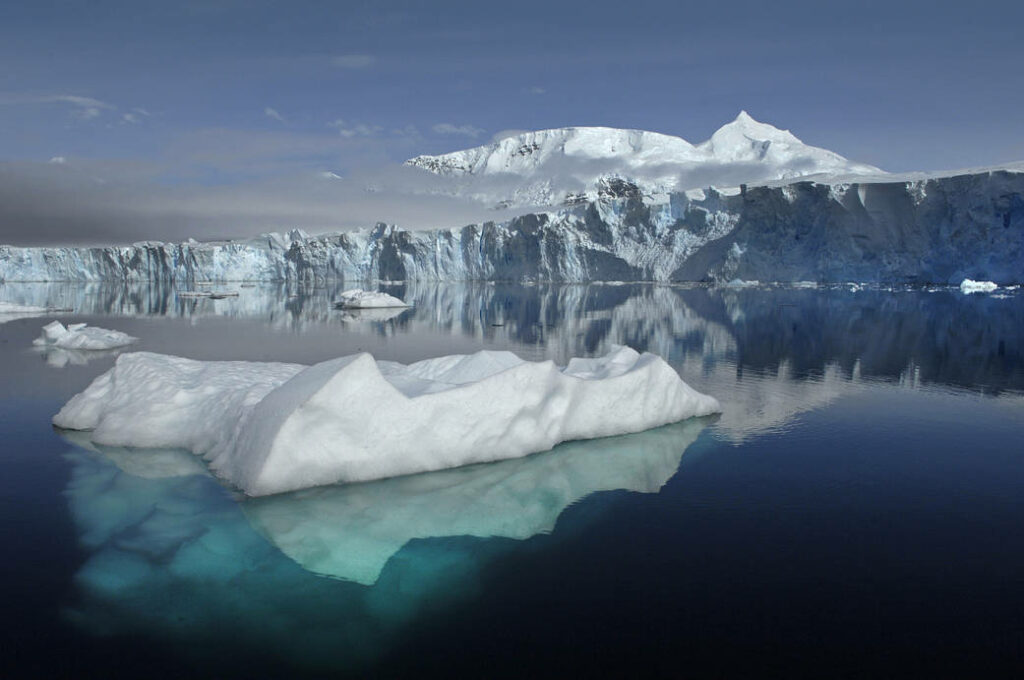 Researchers use MITgcm to understand how phytoplankton blooms and inorganic carbon respond to sea-ice variability in the West Antarctic Peninsula.