
Phytoplankton Diversity versus Productivity in the Ocean
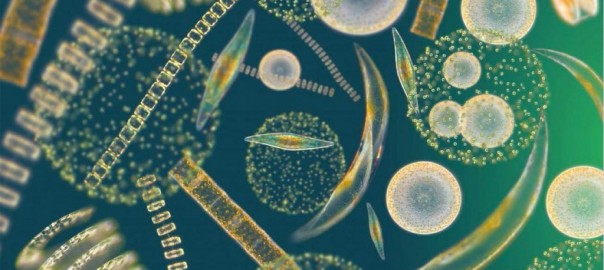 In new work published in Nature Communications in July, an international team of scientists from the Massachusetts Institute of Technology and the Institute of Marine Sciences of Barcelona, Spain in collaboration with the National Centre for Scientific Research, France have been using MITgcm to study the balance between phytoplankton diversity and productivity.
2013 Research Roundup
 It’s that time of year again: A sample of 2013 research articles that involved MITgcm in some way. Put down that snow-shovel and take a look…
Small Storms; Big Floods: Far-Reaching Impacts
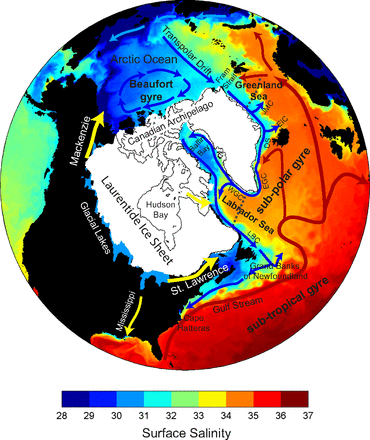 This month we focus on Alan Condron, a Research Assistant Professor in the Climate System Research Center at the University of Massachusetts Amherst, who uses MITgcm to investigate past and future climate sensitivity to changes in Arctic meltwater.
Slip Sliding Away…
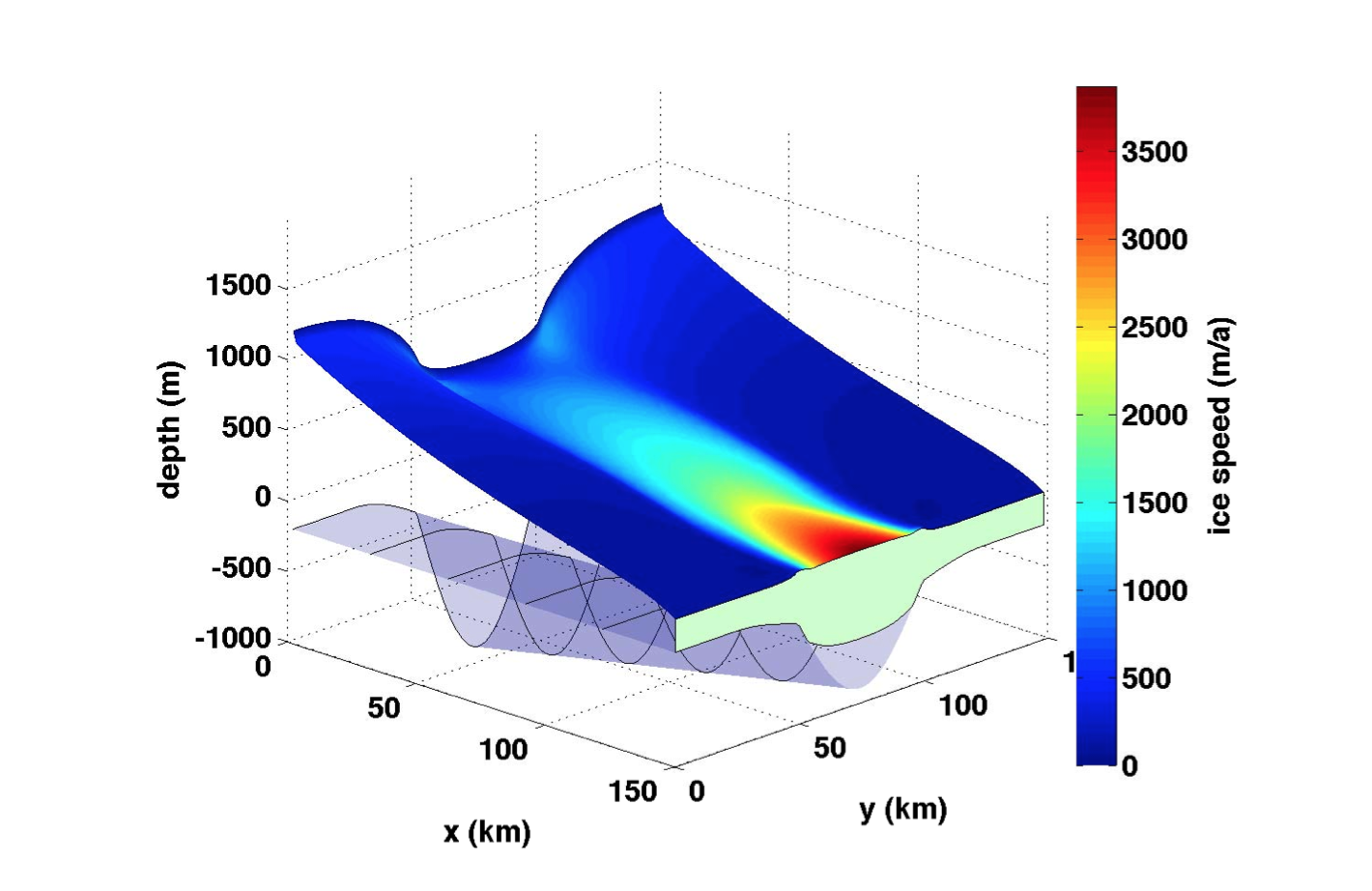 Dan Goldberg has been working with longtime MITgcmer Patrick Heimbach, looking at new ways to assimilate observations into glaciological flow models capable of representing fast streaming ice flow.
Looping the loop in the Gulf of Mexico
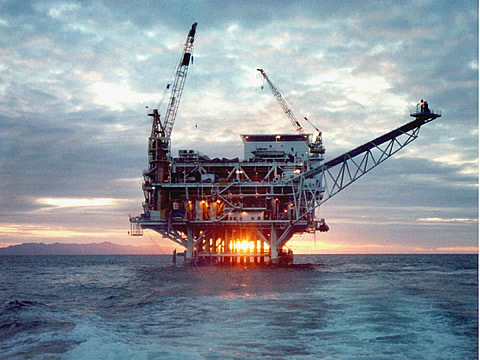 This month we focus on several recent papers that have used MITgcm and its adjoint to perform state estimates and explore its ocean forecasting capabilities in the Gulf of Mexico.
MITgcm: Ready for Prime Time
 For anyone who has ever wrestled with vizualising output from MITgcm, Earth from Space, the stunning new documentary from PBS’s NOVA series demands serious respect.
Mixing it up in the Southern Ocean
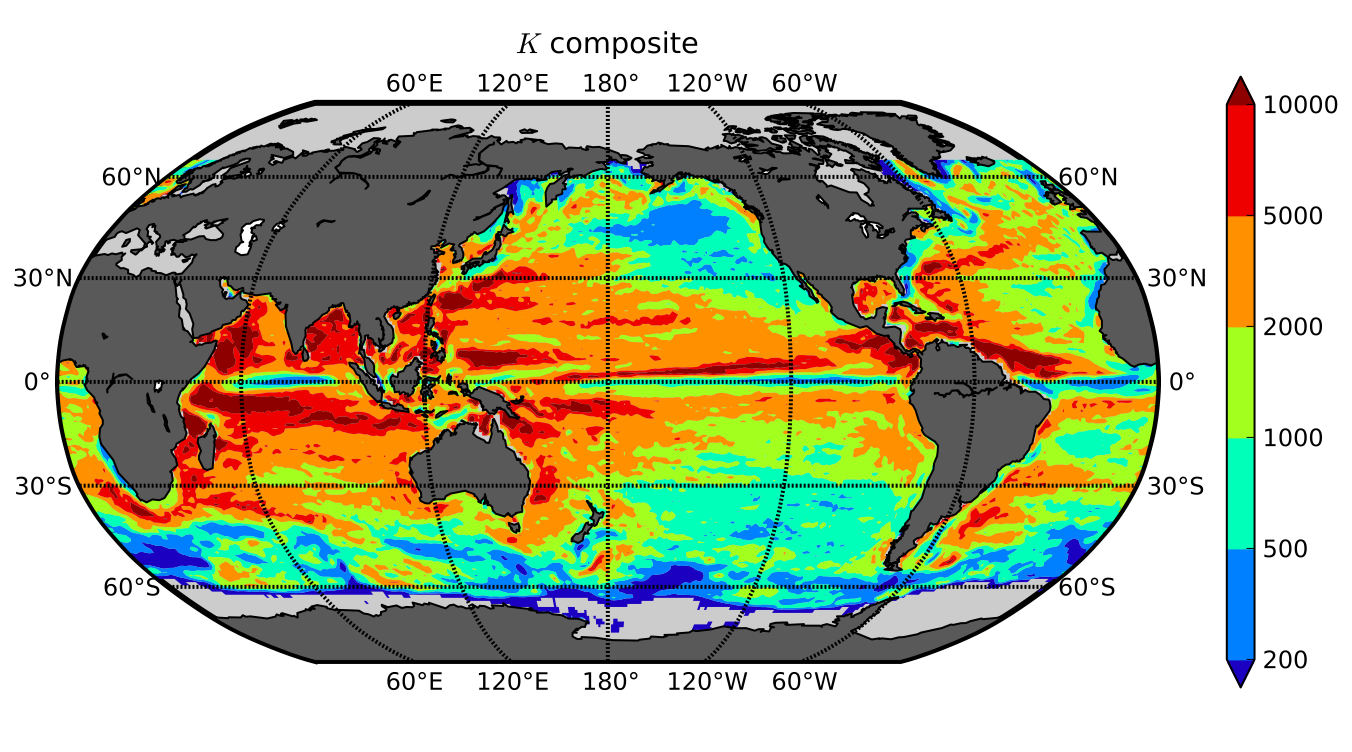 This month we spotlight work by Ryan Abernathey who has been using MITgcm to map surface mixing rates globally.
2012 Research Roundup
 A sample of 2012 research articles that involved MITgcm in some way. Take a look…
Where the Med. and Atlantic Meet
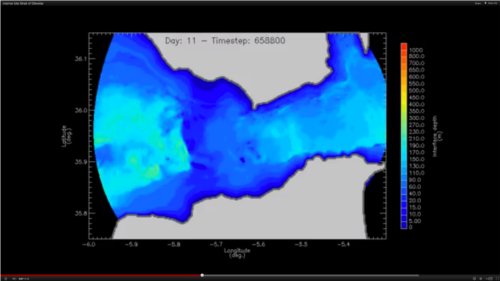 For our first research story of 2013 we take a look at work by longtime MITgcm user Gianmaria Sannino modeling different aspects of the Mediterranean circulation.
Sea – Ice Interplay
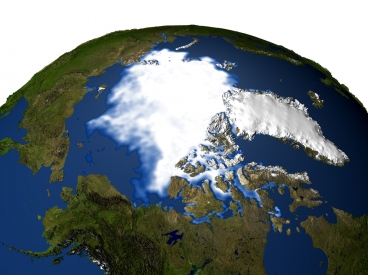 In a novel approach, MITgcmers Ian Fenty and Patrick Heimbach use optimal state and parameter estimation to improve the sea-ice simulations.