
Looping the loop in the Gulf of Mexico
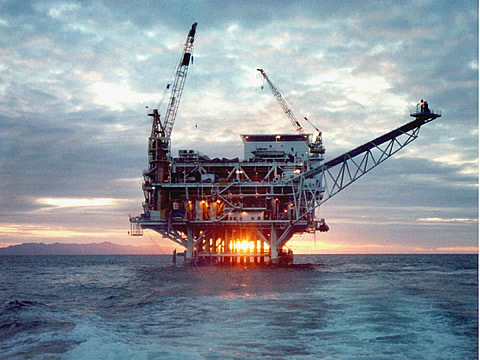 This month we focus on several recent papers that have used MITgcm and its adjoint to perform state estimates and explore its ocean forecasting capabilities in the Gulf of Mexico.
MITgcm: Ready for Prime Time
 For anyone who has ever wrestled with vizualising output from MITgcm, Earth from Space, the stunning new documentary from PBS’s NOVA series demands serious respect.
Mixing it up in the Southern Ocean
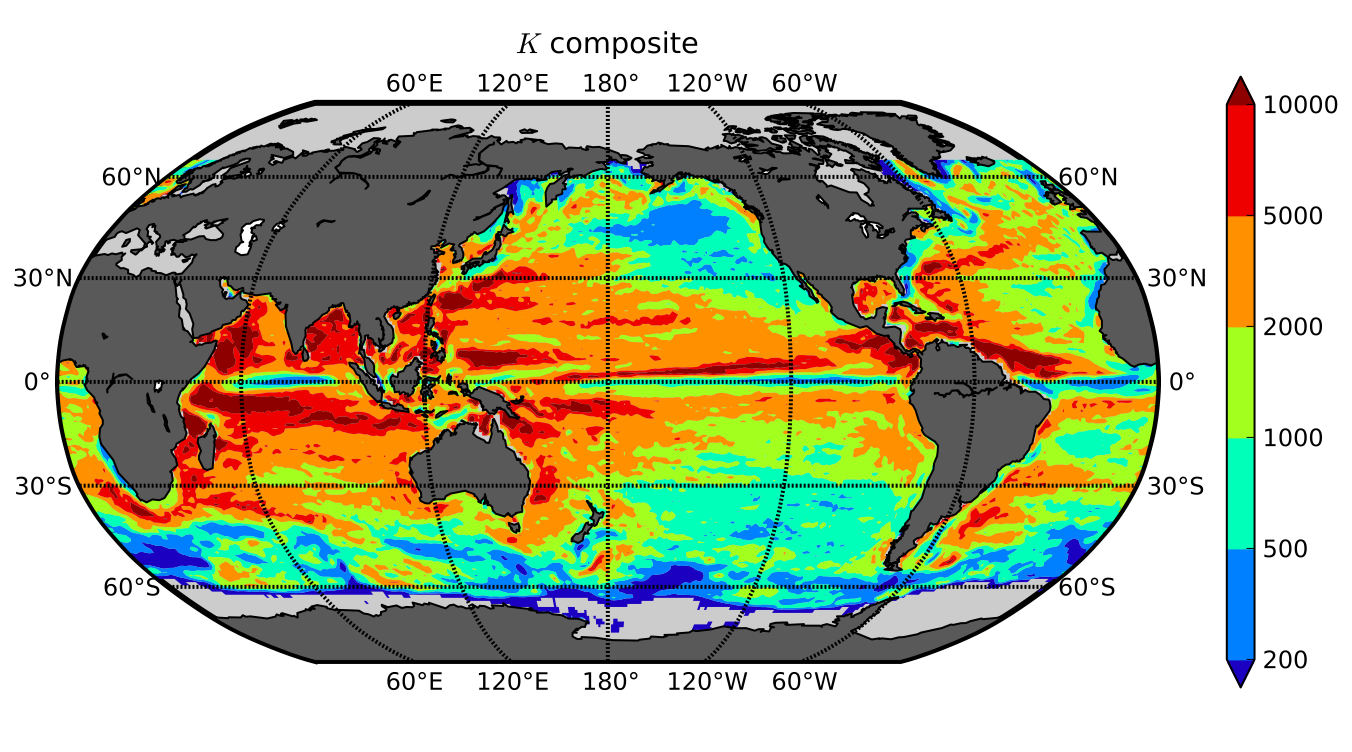 This month we spotlight work by Ryan Abernathey who has been using MITgcm to map surface mixing rates globally.
2012 Research Roundup
 A sample of 2012 research articles that involved MITgcm in some way. Take a look…
Where the Med. and Atlantic Meet
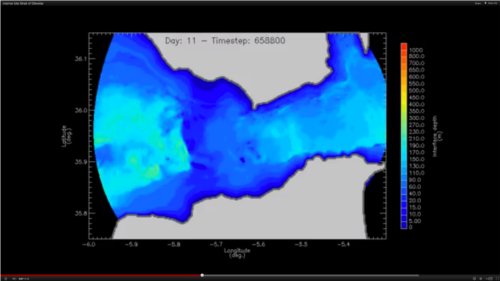 For our first research story of 2013 we take a look at work by longtime MITgcm user Gianmaria Sannino modeling different aspects of the Mediterranean circulation.
Sea – Ice Interplay
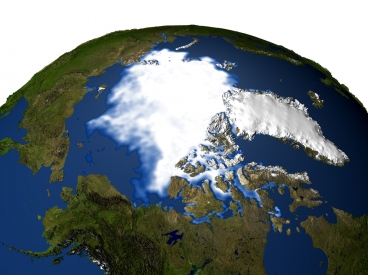 In a novel approach, MITgcmers Ian Fenty and Patrick Heimbach use optimal state and parameter estimation to improve the sea-ice simulations.
Forecasting the Weather on Pluto
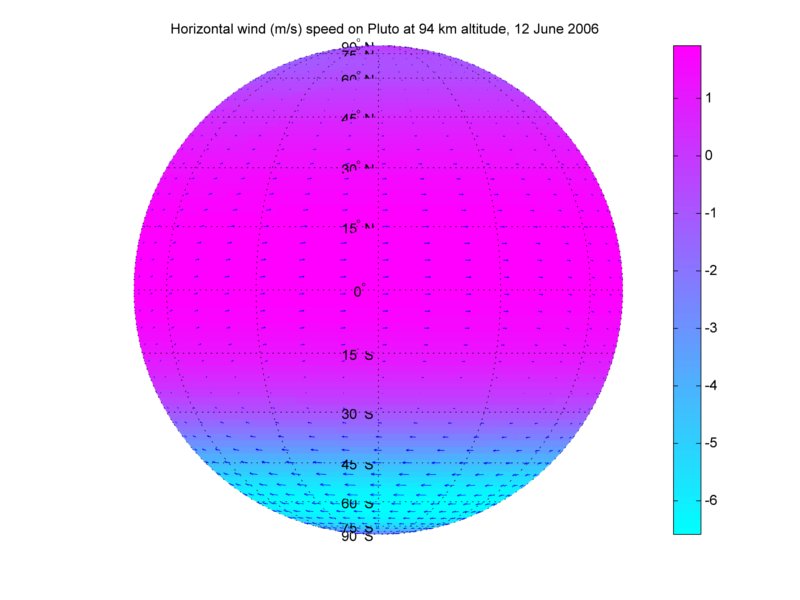 Angela Zalucha has always had a passion for weather but tantalized by the meteorology of other planetary bodies she uses MITgcm to explore the exotic atmospheres of our neighbours in the solar system and beyond, among them the recently re-defined “plutoid” Pluto.
Overflowing with Movies
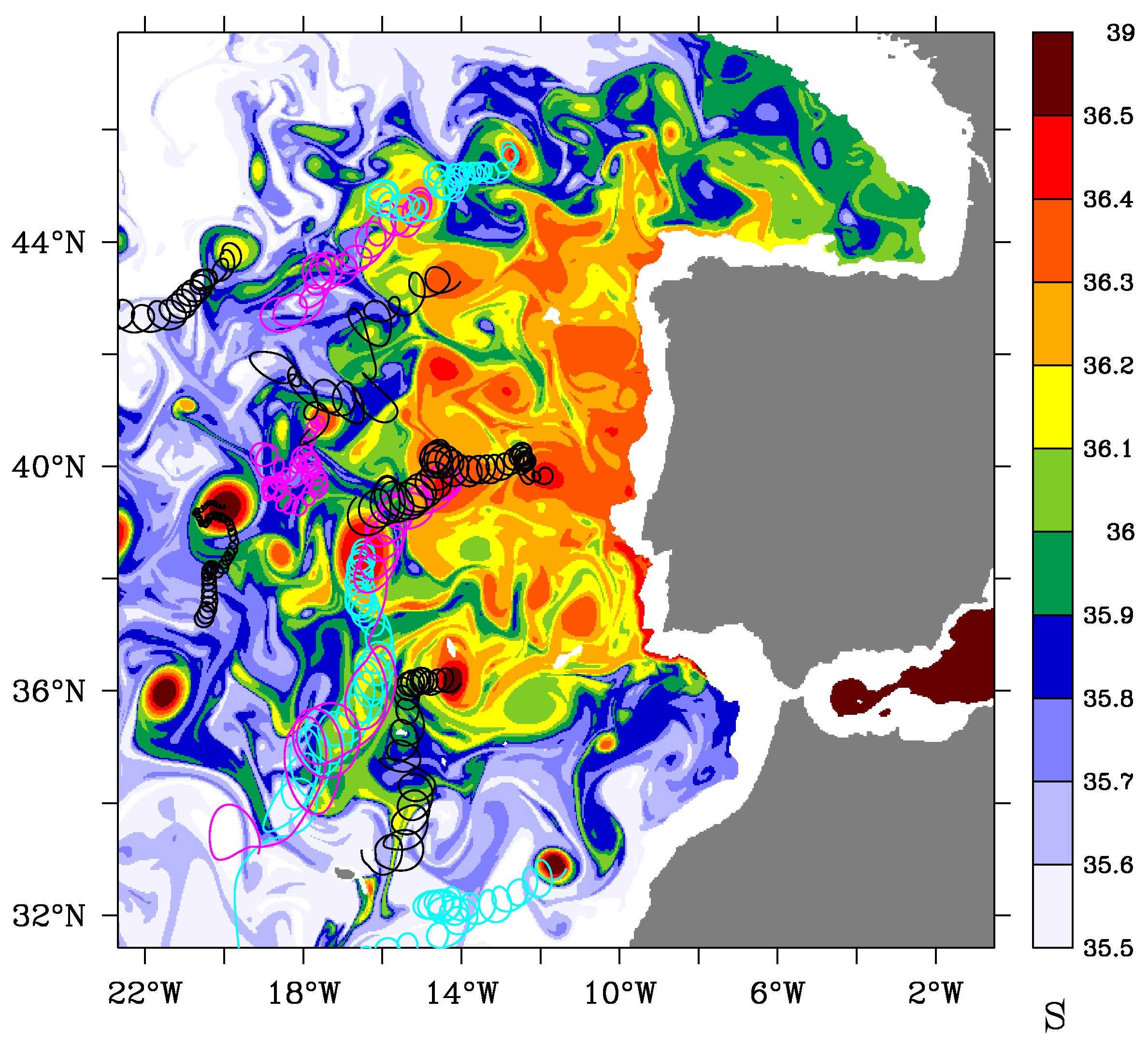 Nuno Serra from the University of Hamburg has used MITgcm in many ocean modeling projects, both from a process-modelling perspective and “realistically”, incorporating forcing from NCEP and ECMWF. He is especially interested in the processes regulating North Atlantic and North Pacific inter-annual to inter-decadal variability. A particular passion is overflows.
Strange New Worlds
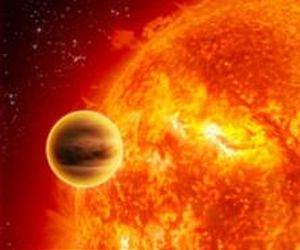 This month we focus on research using MITgcm to model atmospheres on Jupiter-like exoplanets showcasing work by recent University of Arizona, Lunar and Planetary Laboratory graduate, Nikole Lewis.
MITgcm on Ice
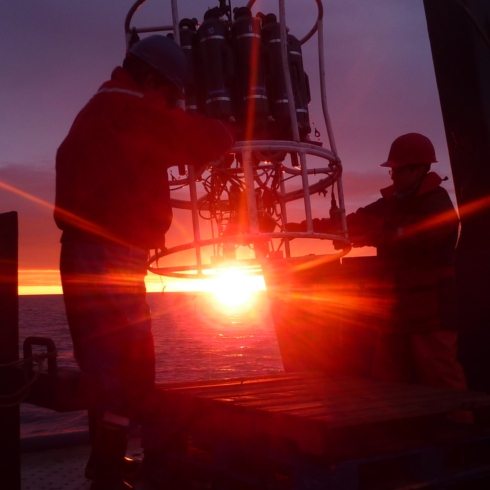 In a recent paper in the Journal of Physical Oceanography, An Nguyen (MIT) and co-authors Ronald Kwok (JPL) and Dimitris Menemenlis (JPL) report on work using MITgcm to better understand the origin and character of the western arctic, upper halocline.