
Time for Time-Varying Diffusivity?
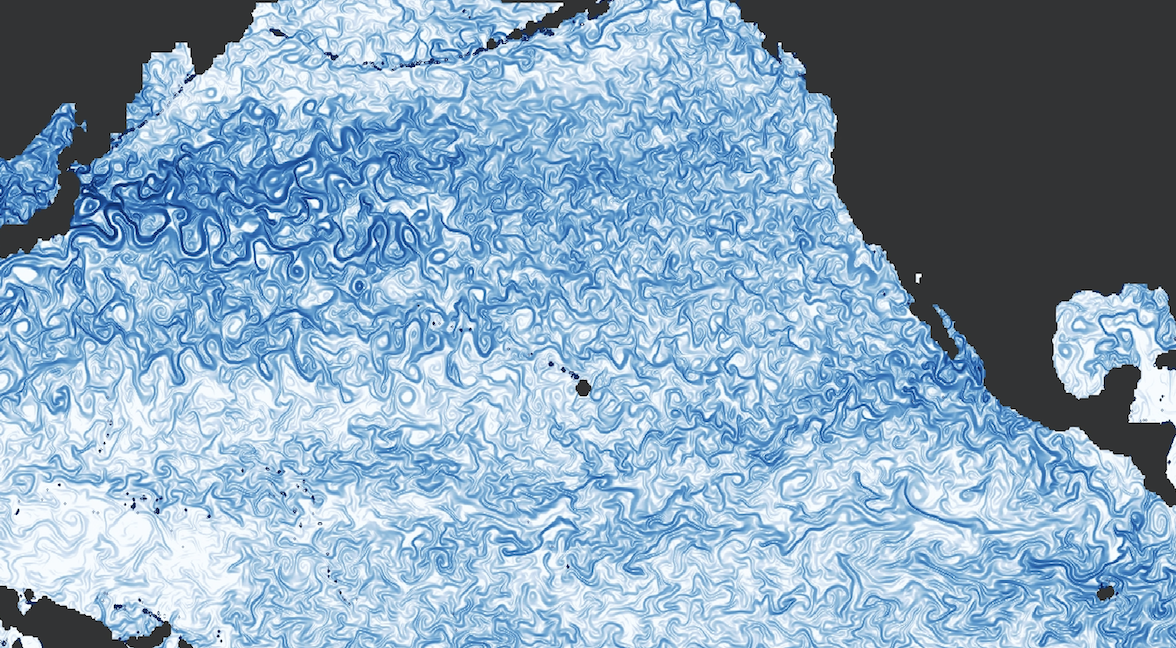 Researchers Julius Busecke and Ryan Abernathey have been using MITgcm in a study geared towards developing a time-resolved global dataset of surface lateral mesoscale eddy diffusivities.
2018 Research Roundup
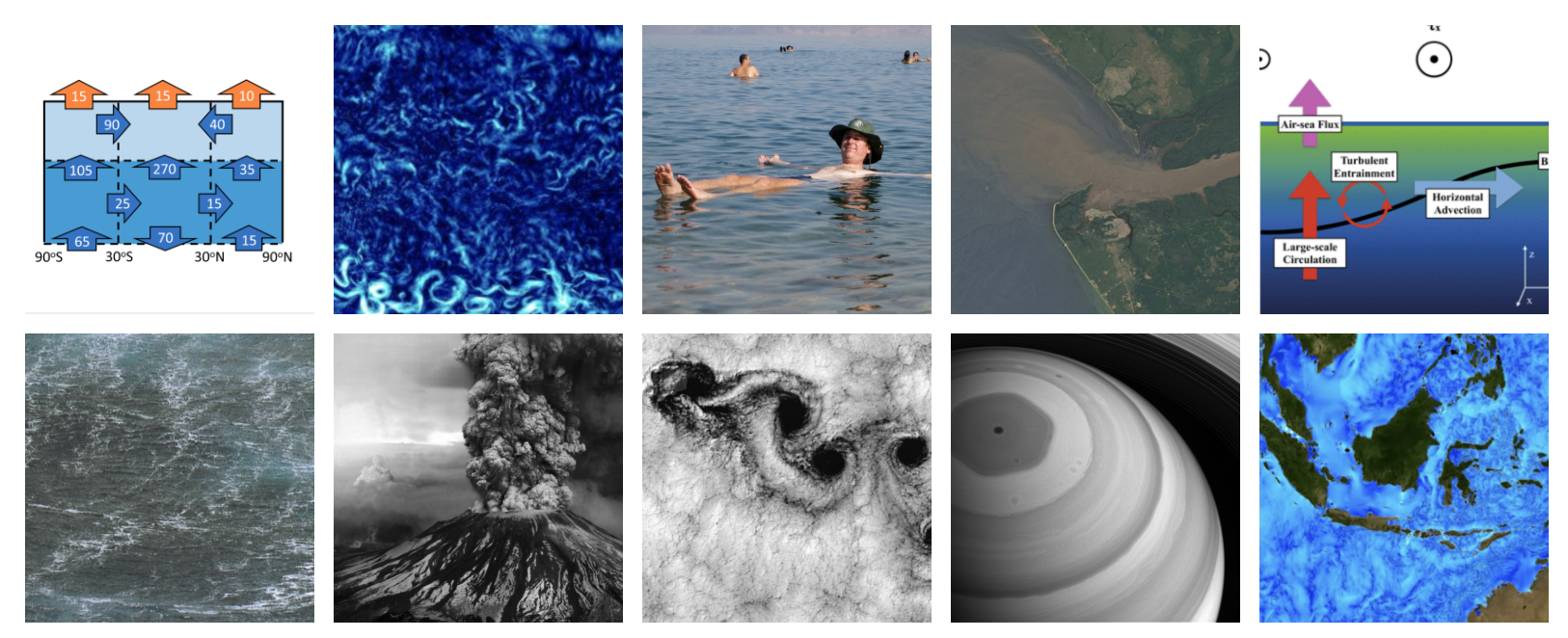 Happy 2019: Another new year, another research roundup! Best wishes to MITgcmers past, MITgcmers present and MITgcmers yet to come…
Exploring ENSO-Related Global Ocean Heat Content Variations in ECCOv4
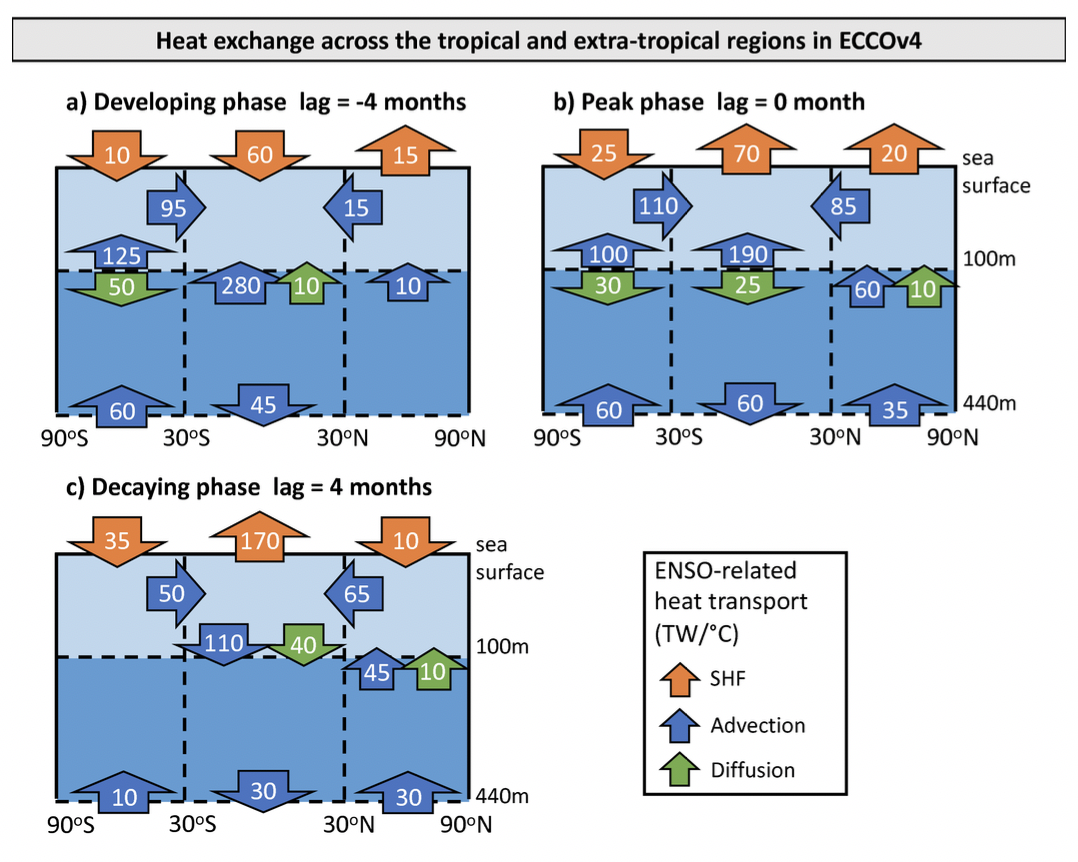 Researchers from China and Australia have been using the ECCOv4 dataset, an MITgcm product, to investigate ENSO-Related Global Ocean Heat Content Variations.
Modeling in Anticipation of Future Space Missions
 A team of researchers from JPL and the University of Hawaii analyzed the distribution of internal gravity waves and submesoscale balanced motions in the near-surface around the globe in a recent 1/48° MITgcm simulation.
When the Wind Blows Harder
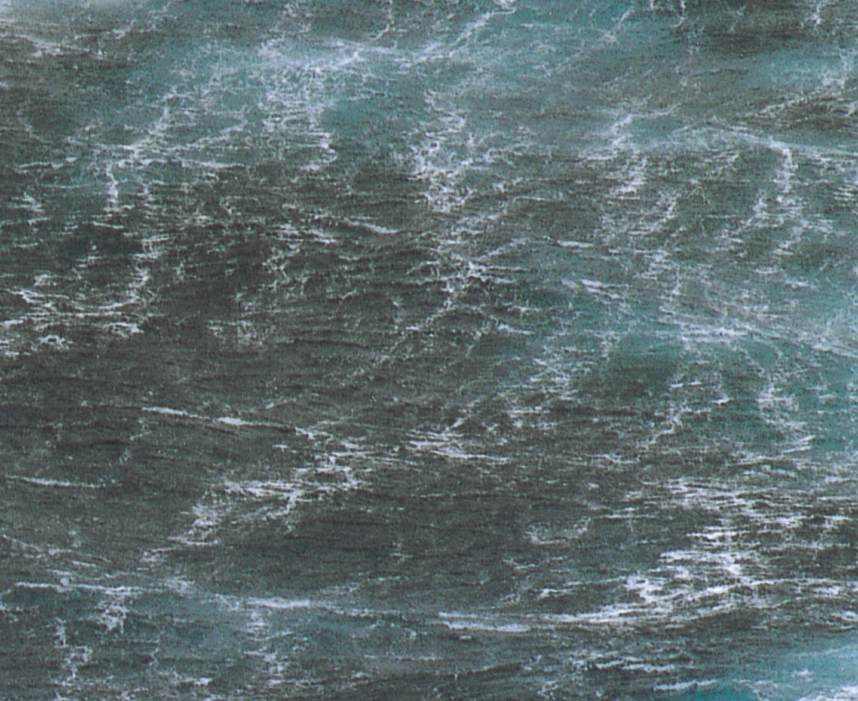 Andreas Klocker, an oceanographer working at the University of Tasmania, has been using MITgcm to explore the sensitivity of ventilation to surface wind stress in the Southern Ocean.
Cooling Climate with Volcanoes
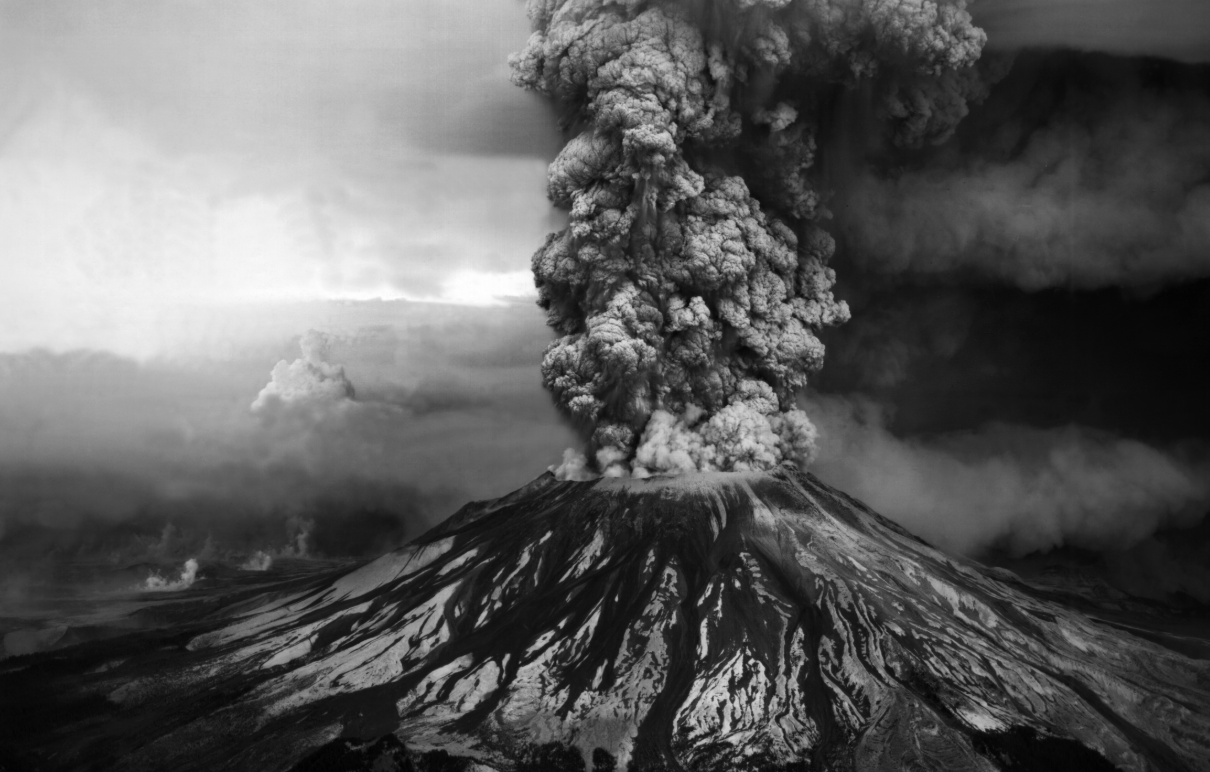 MIT study uses MITgcm to probe the ocean’s role in mediating the climate’s response to volcanic eruptions.
Mixing it Up in the Dead Sea
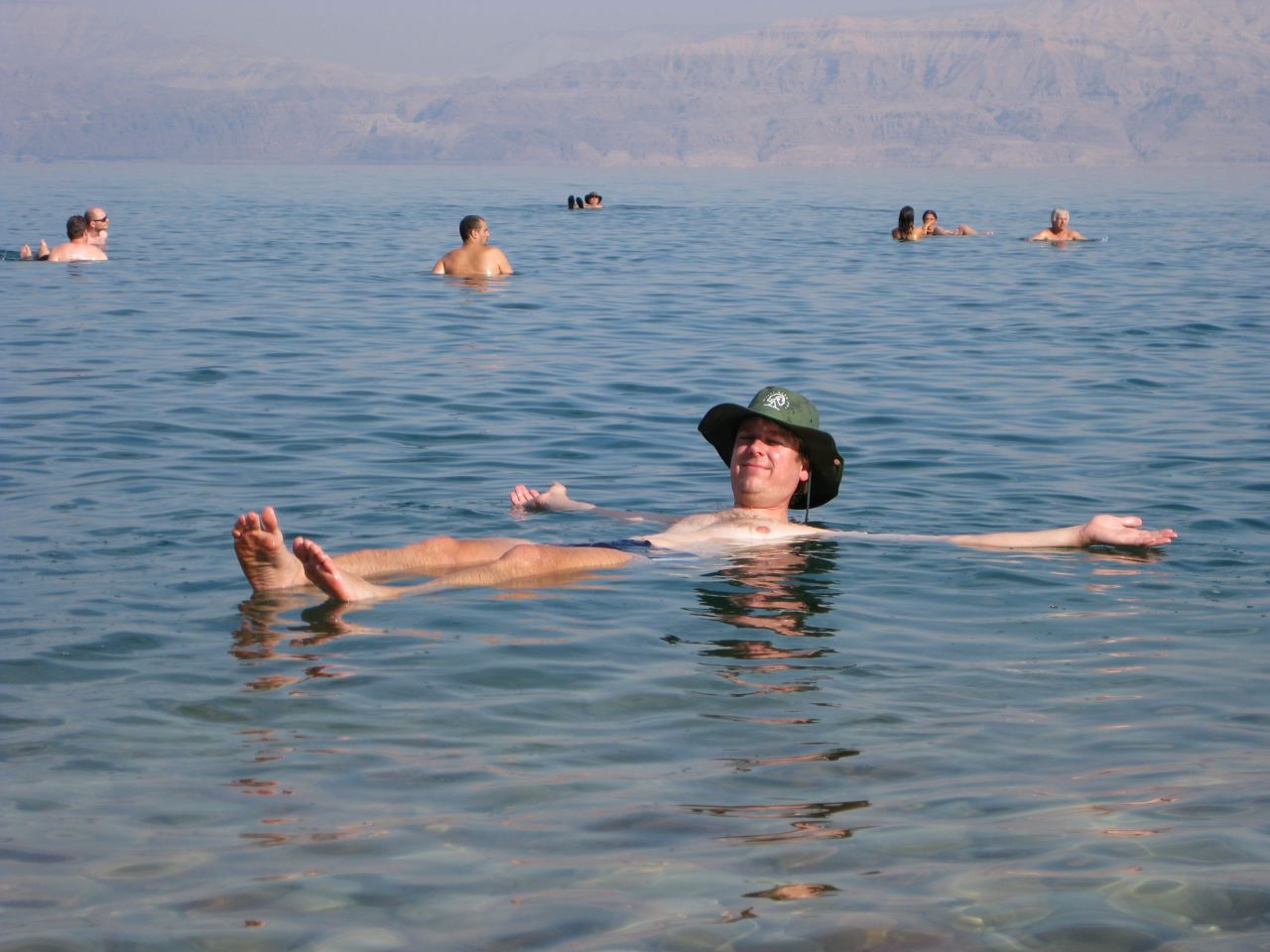 Work from Ben Gurion University in Israel uses MITgcm to explore the importance of non-hydrostatic effects in the Dead Sea.
Islands in the Stream
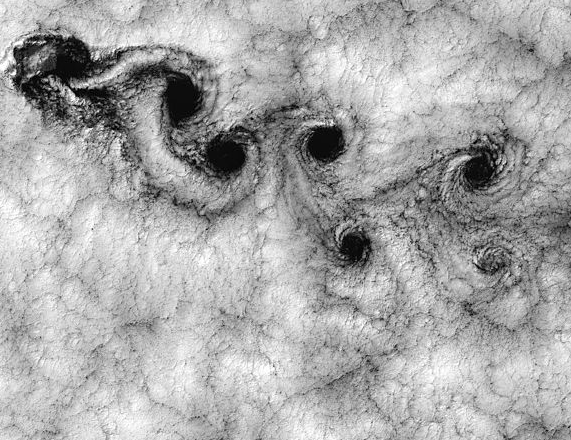 A group from National Taiwan University has been using MITgcm to study submesoscale island wakes in the Kuroshio Current off Taiwan.
Where the River Meets the Sea
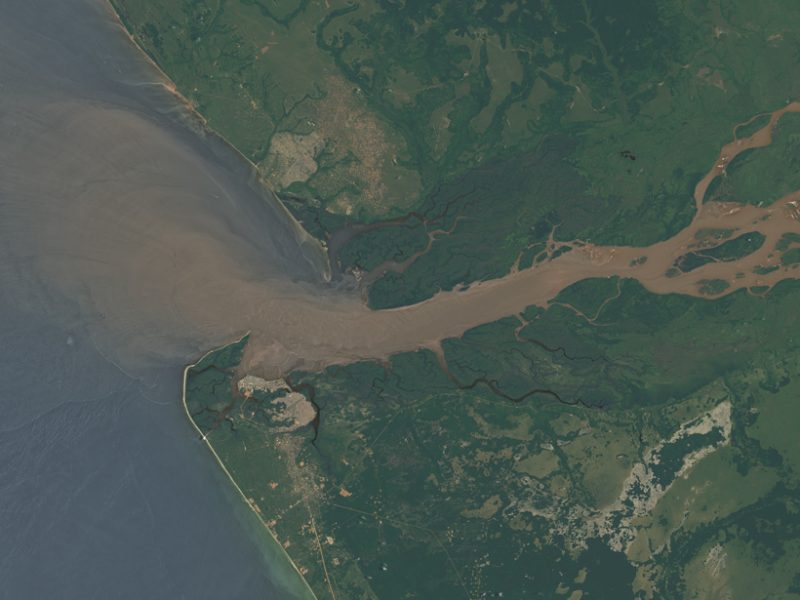 A group from Japan has been using MITgcm to explore the spreading of river plumes.
Understanding the Circulation on Saturn
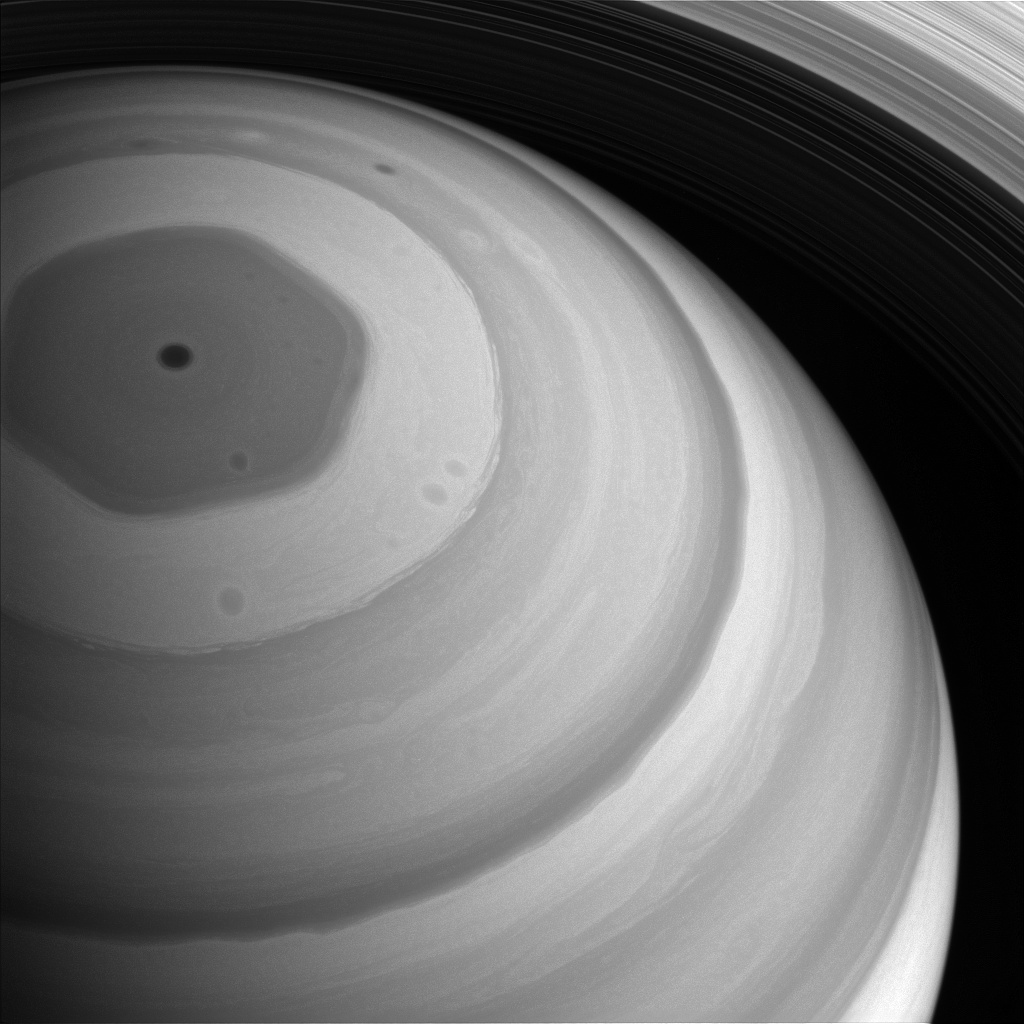
This month we spotlight work from Canadian researchers Yakov Afanasyev and Yang Zhang who have combined MITgcm direct numerical simulations with physical fluid laboratory experiments in an exploration of what might be creating monster cyclonic vortices at the poles of Saturn.