
When the Wind Blows Harder
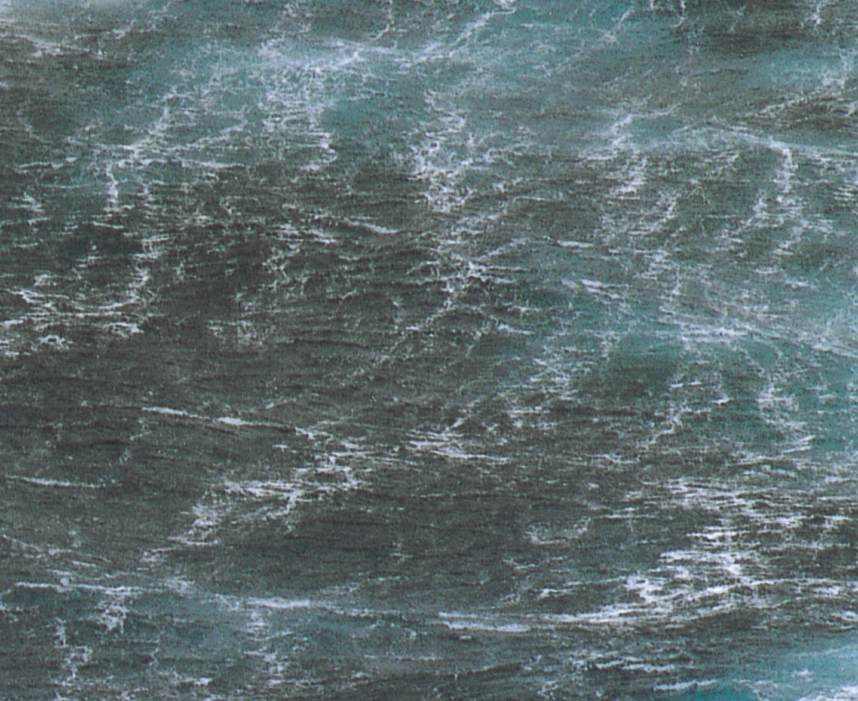 Andreas Klocker, an oceanographer working at the University of Tasmania, has been using MITgcm to explore the sensitivity of ventilation to surface wind stress in the Southern Ocean.
Cooling Climate with Volcanoes
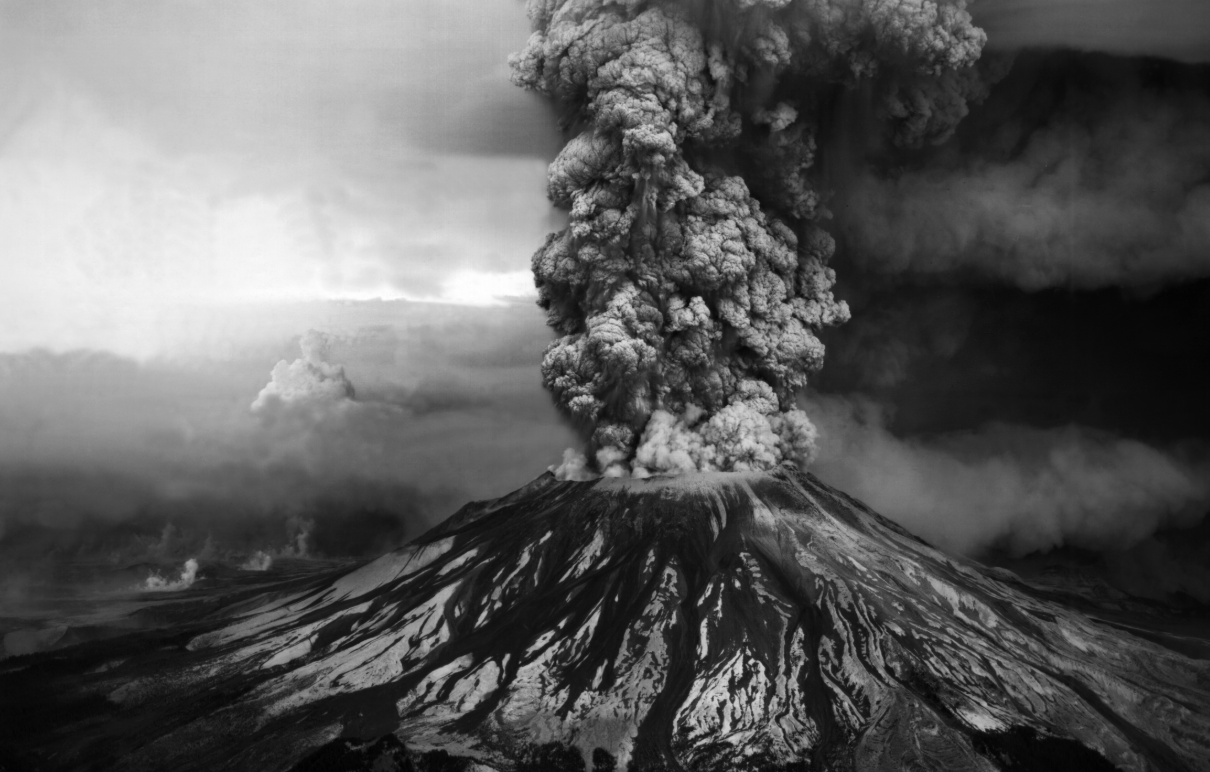 MIT study uses MITgcm to probe the ocean’s role in mediating the climate’s response to volcanic eruptions.
Mixing it Up in the Dead Sea
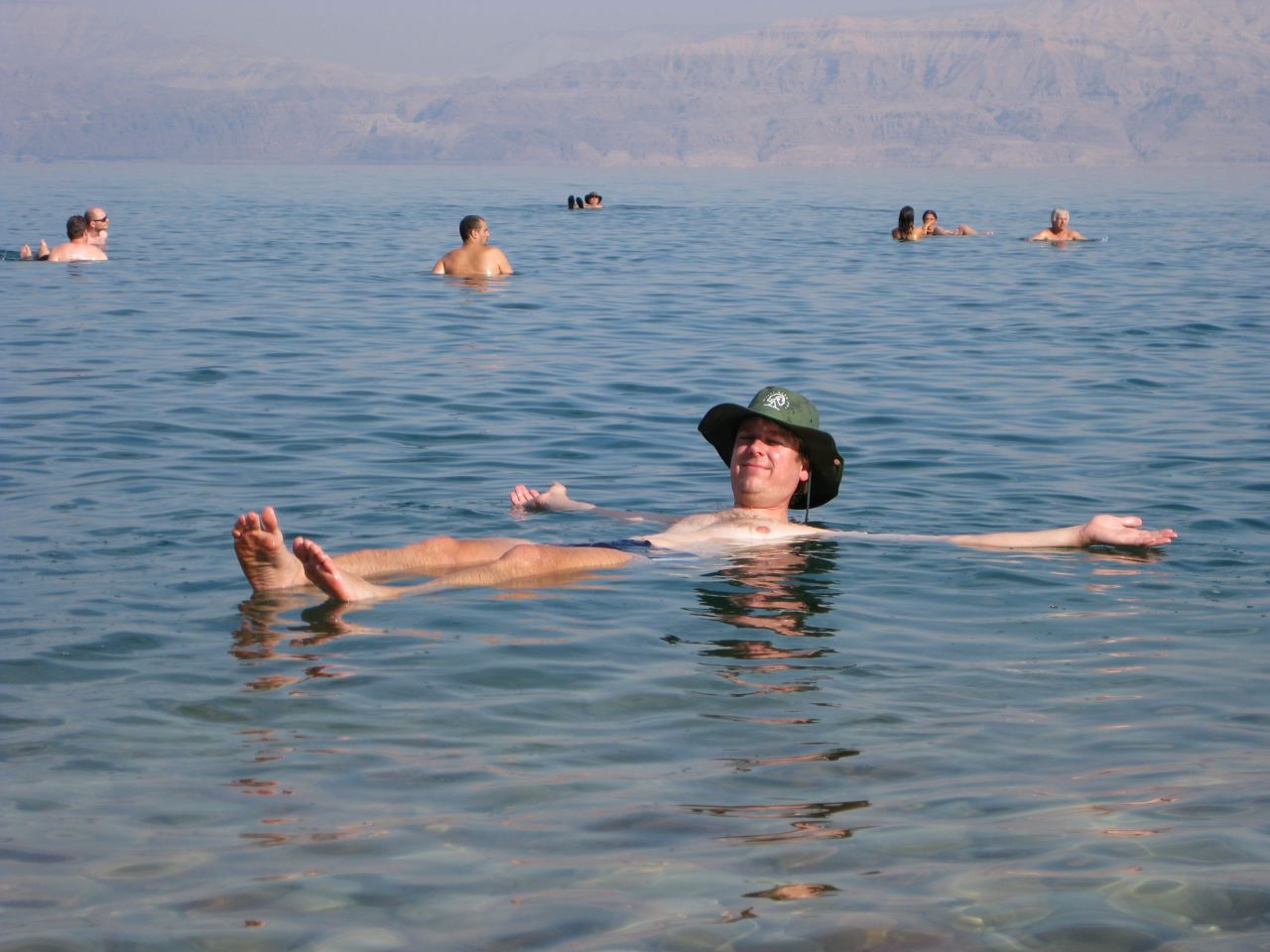 Work from Ben Gurion University in Israel uses MITgcm to explore the importance of non-hydrostatic effects in the Dead Sea.
Islands in the Stream
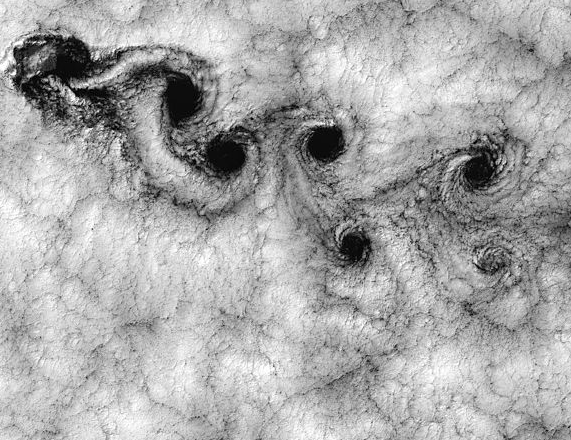 A group from National Taiwan University has been using MITgcm to study submesoscale island wakes in the Kuroshio Current off Taiwan.
Where the River Meets the Sea
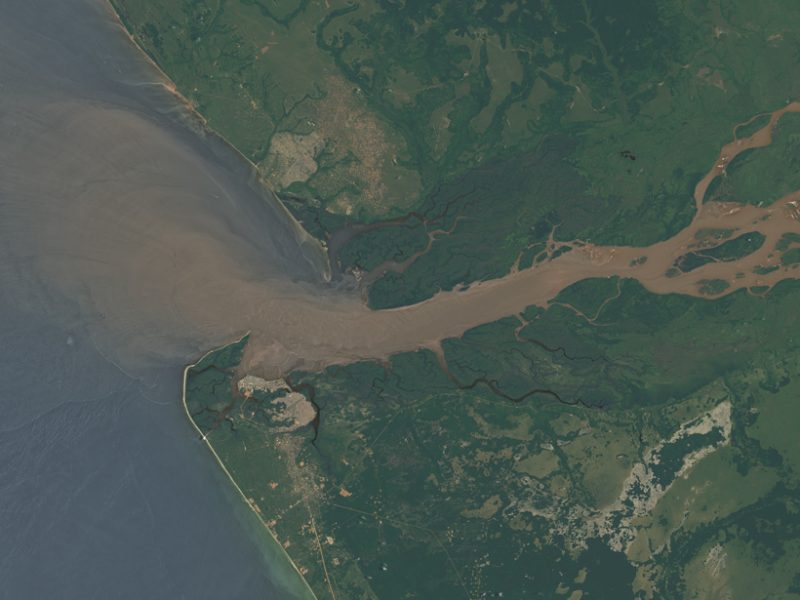 A group from Japan has been using MITgcm to explore the spreading of river plumes.
Understanding the Circulation on Saturn
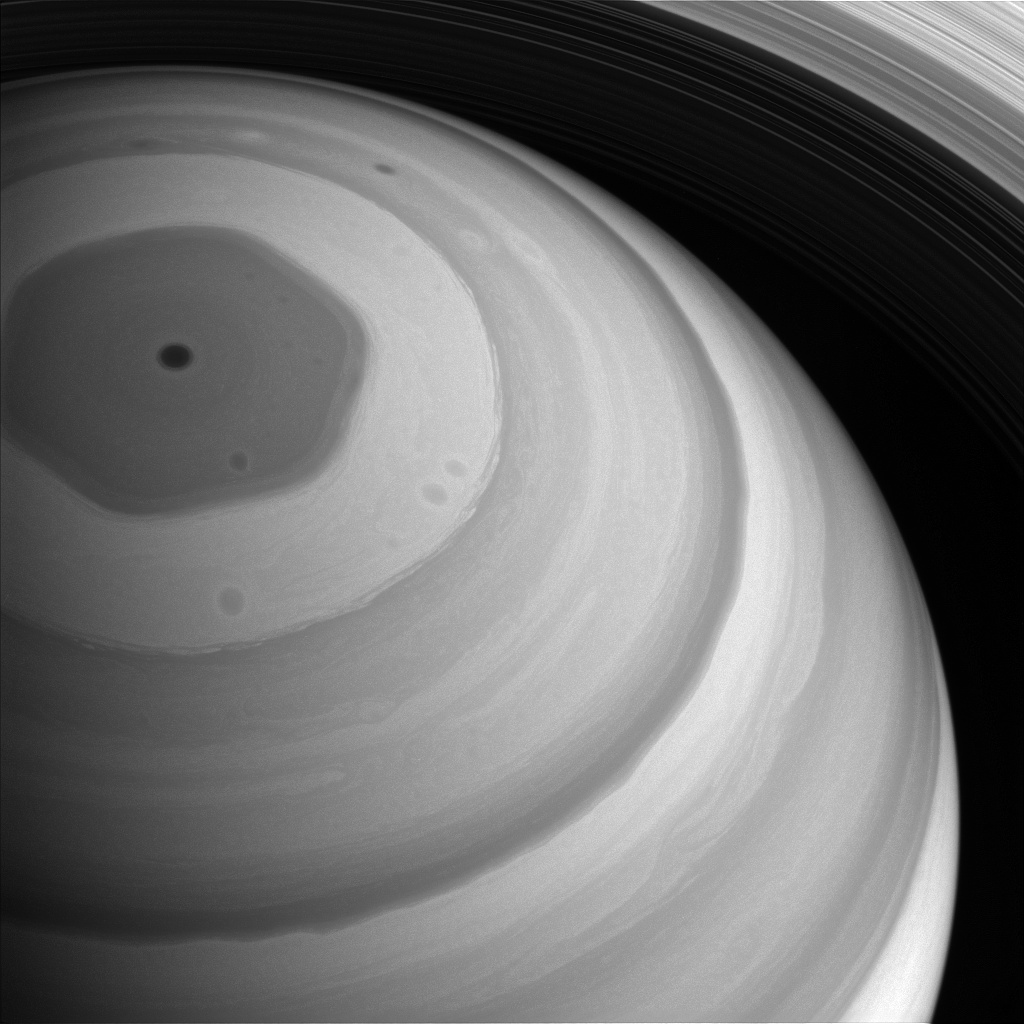
This month we spotlight work from Canadian researchers Yakov Afanasyev and Yang Zhang who have combined MITgcm direct numerical simulations with physical fluid laboratory experiments in an exploration of what might be creating monster cyclonic vortices at the poles of Saturn.
Exploring the Southern Ocean pCO2 Wind Stress Connection
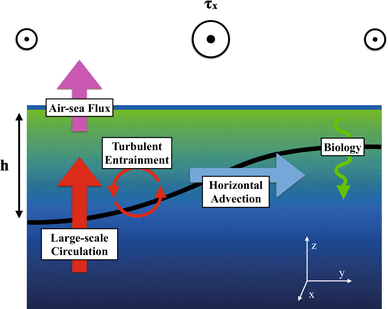 This month we spotlight work from UK researchers led by Ben Bronselaer (formerly of Oxford, now at Princeton) who have been using MITgcm to understand the feedback between mixed-layer partial pressure of carbon dioxide pCO2 and wind stress in the Southern Ocean.
The Seesawing Indonesian Through Flow
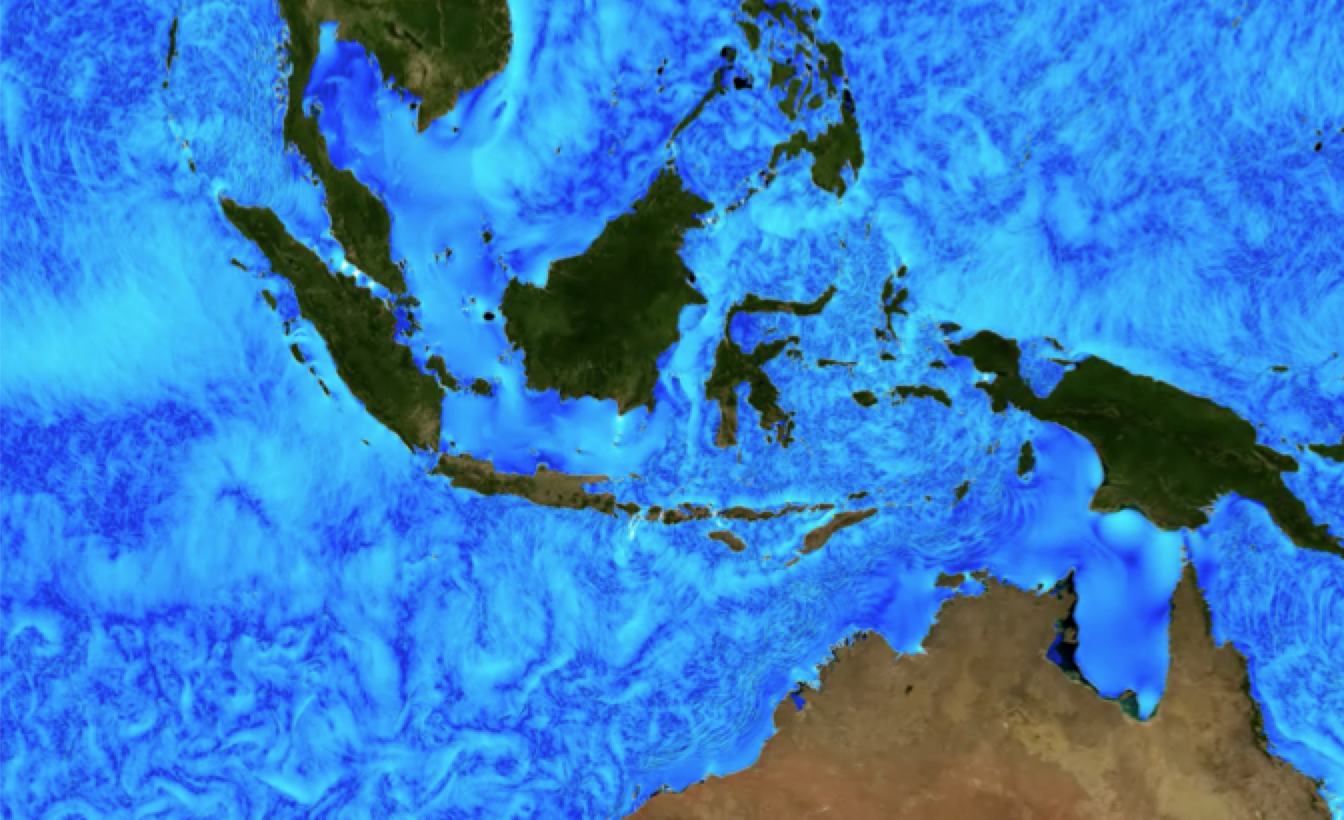
This month we spotlight work from researcher Wlademir Santis (Oceanographic Institute, University of Sao Paulo, Pça. do Oceanográfico, Brazil) and co-authors who have been using MITgcm in work seeking to understand how the Indonesian Throughflow (ITF) might vary under ice age conditions.
2017 Research Roundup
 Happy 2018: Another new year, another research roundup! Best wishes to MITgcmers past, MITgcmers present and MITgcmers yet to come…
Shaken and Stirred

This month we spotlight research from researchers at MIT have been using MITgcm to model the interplay between vertical convection and lateral exchange due to baroclinic instability.