
Recent posts
Categories
- Adjoint Modeling (6)
- Atmospheric Modeling (11)
- Biogeochemical Modeling (13)
- Climate modeling (20)
- Coupled Modeling (14)
- Lake Modeling (1)
- Model development (8)
- Model-data assimilation (19)
- Ocean modeling (83)
- Offline Modeling (9)
- Planetary Atmospheres (6)
- Sea-ice Modeling (11)
- Uncategorized (18)
 A joint Harvard – MIT study uses MITgcm to explore the biogeochemistry of riverine mercury.
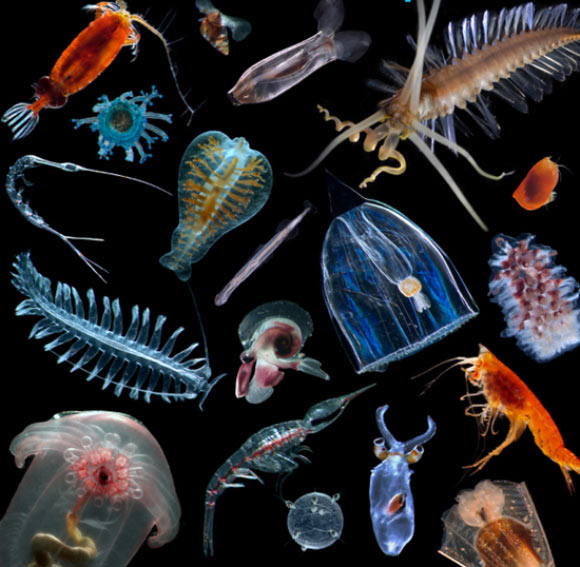 This month we report on researchers using MITgcm to explore the role of Agulhas Rings in plankton transport observations from the Tara Oceans Expedition.
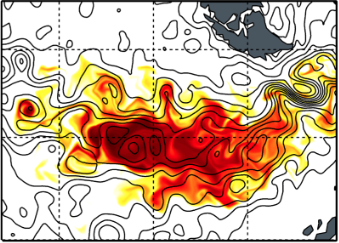 Researchers have been using MITgcm to help understand the role of turbulent mixing in the Antarctic as part of the Diapycnal and Isopycnal Mixing Experiment in the Southern Ocean (DIMES.)
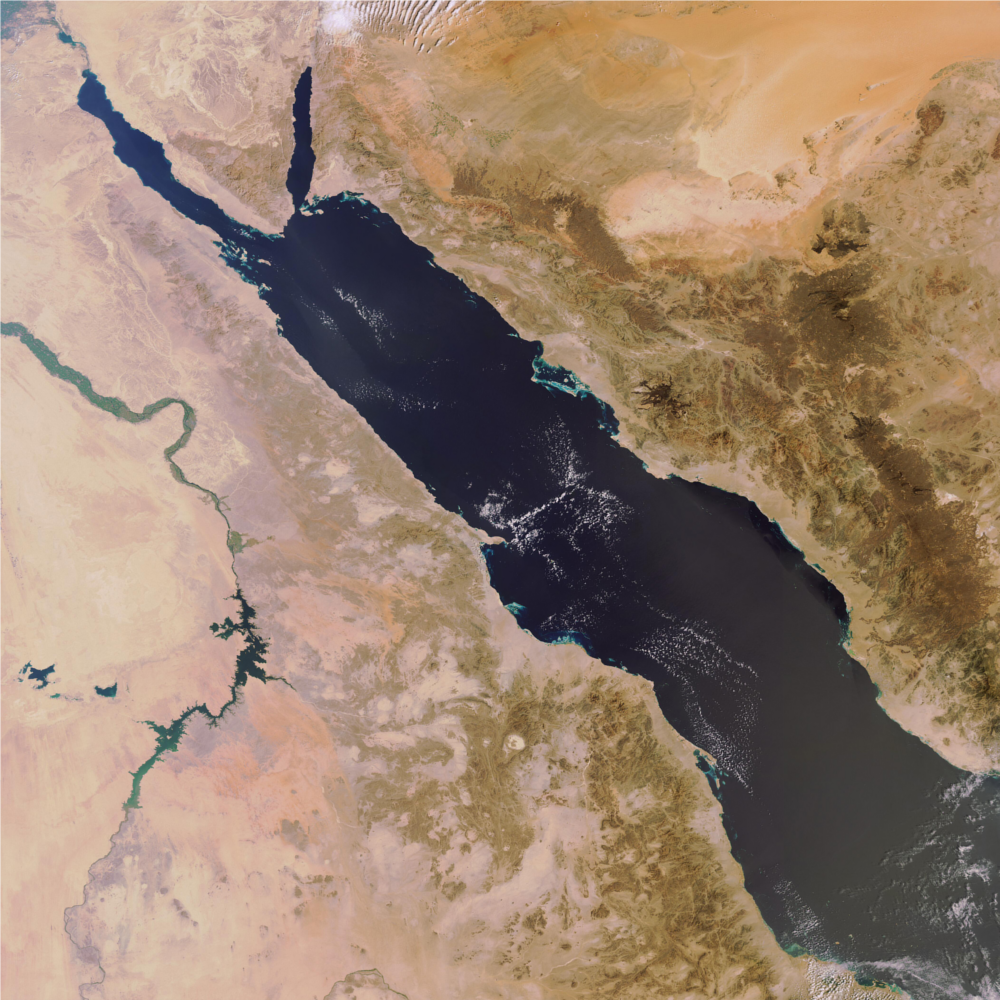 Using MITgcm to investigate the origin of a mid-basin cross-over current in a study of the buoyancy driven circulation in the Red Sea.
 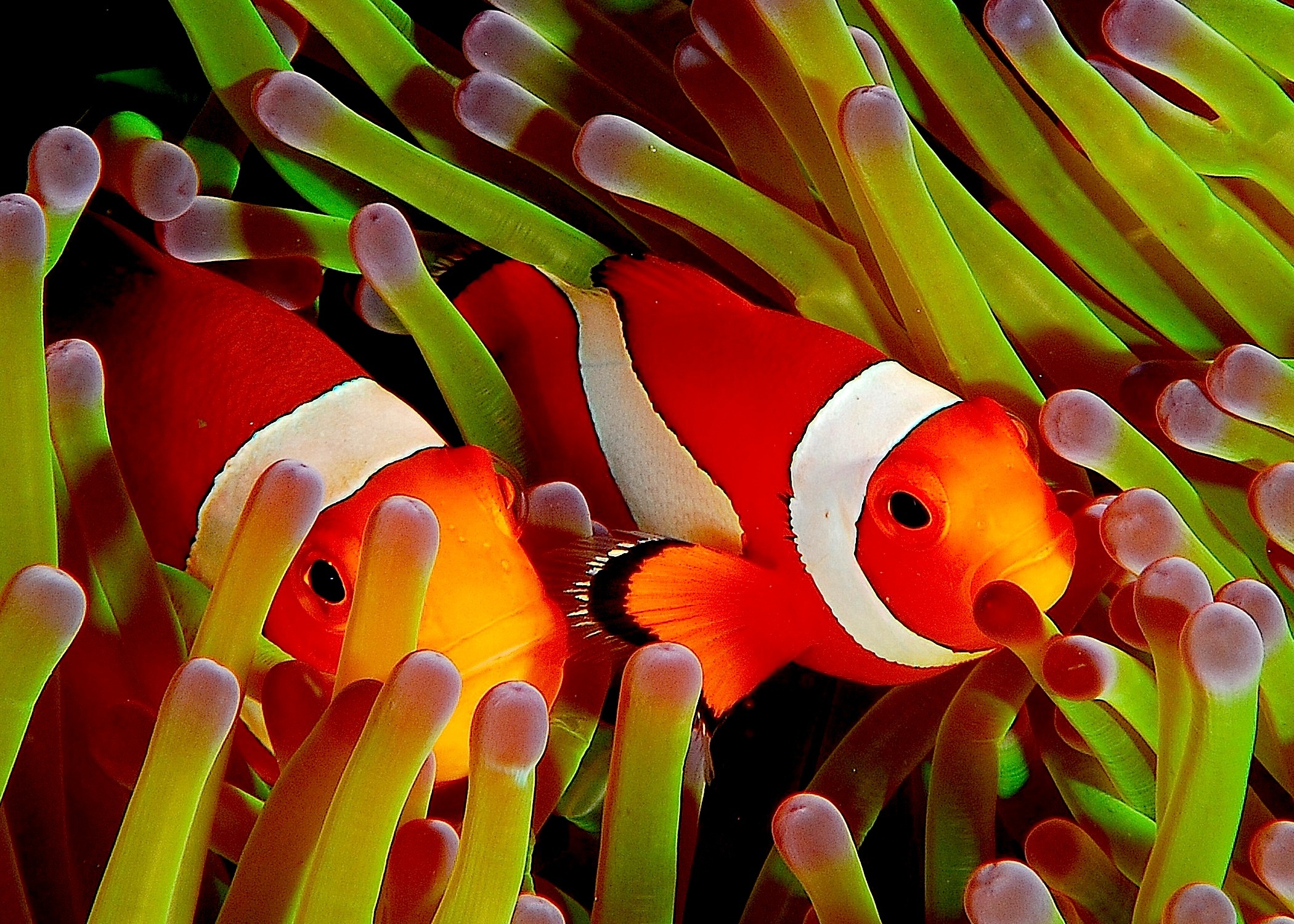 Researchers at King Abdullah University of Science and Technology have been using MITgcm to study larval dispersal in the Red Sea.
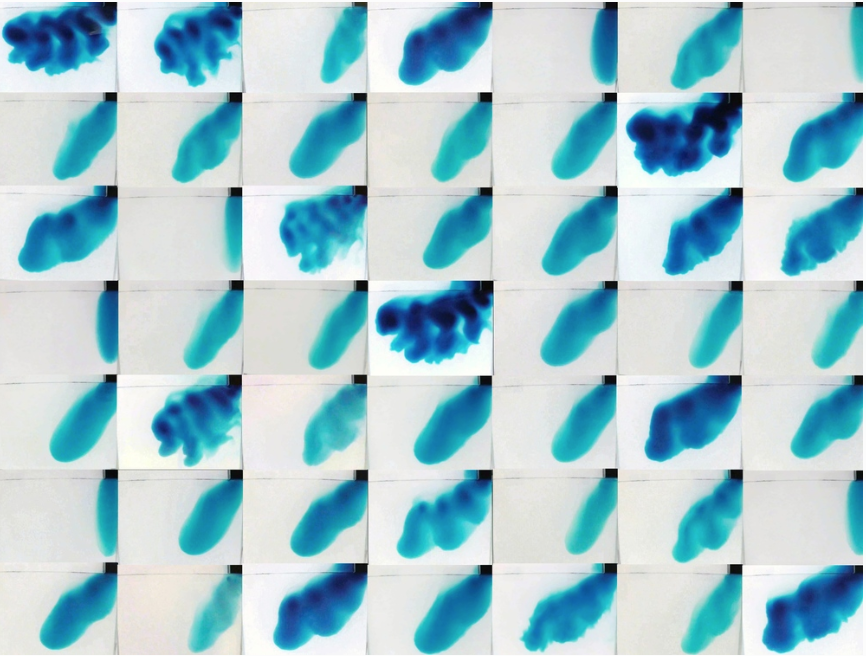 Students make a splash using MITgcm to model falling water in a lab tank during an NSF funded undergraduate research program last summer.
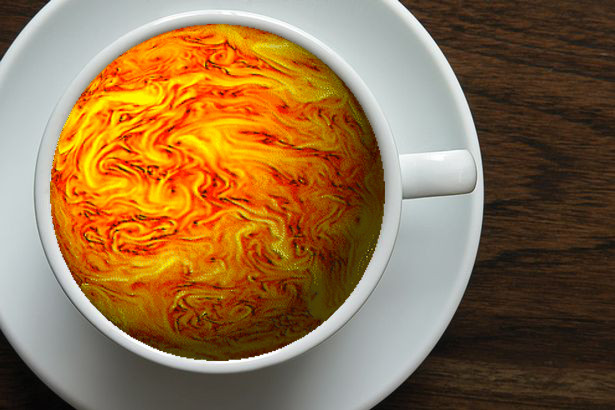 It’s cold outside at MITgcm home base: Time for another annual research roundup. Grab a hot beverage and dive in…
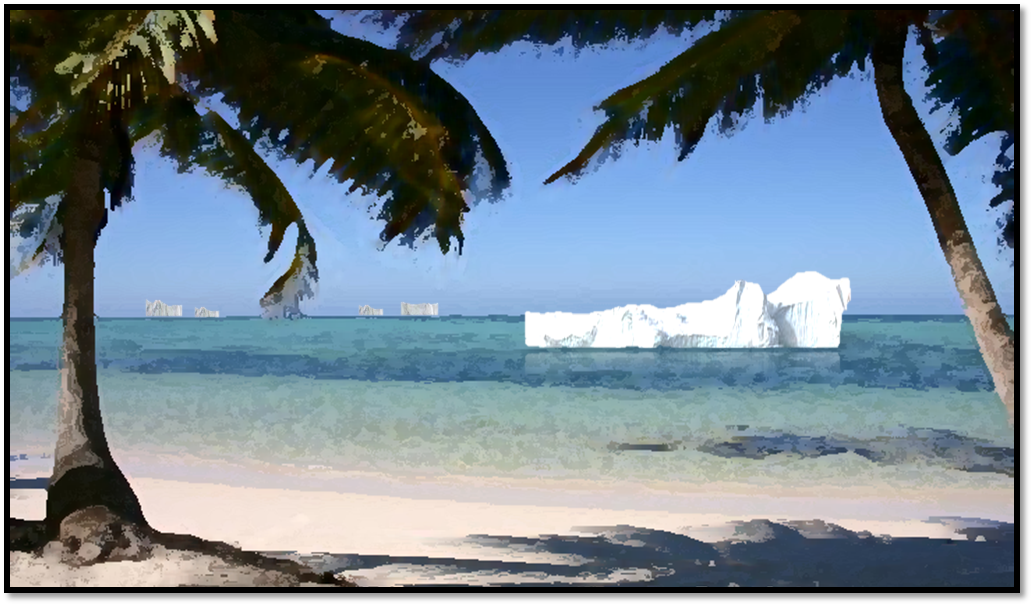 This month we report work by Alan Condron (UMass) using MITgcm, coupled with geological data, to show that massive icebergs and large volumes of meltwater were periodically transported along the east coast of North America as far south as southern Florida during the last deglaciation
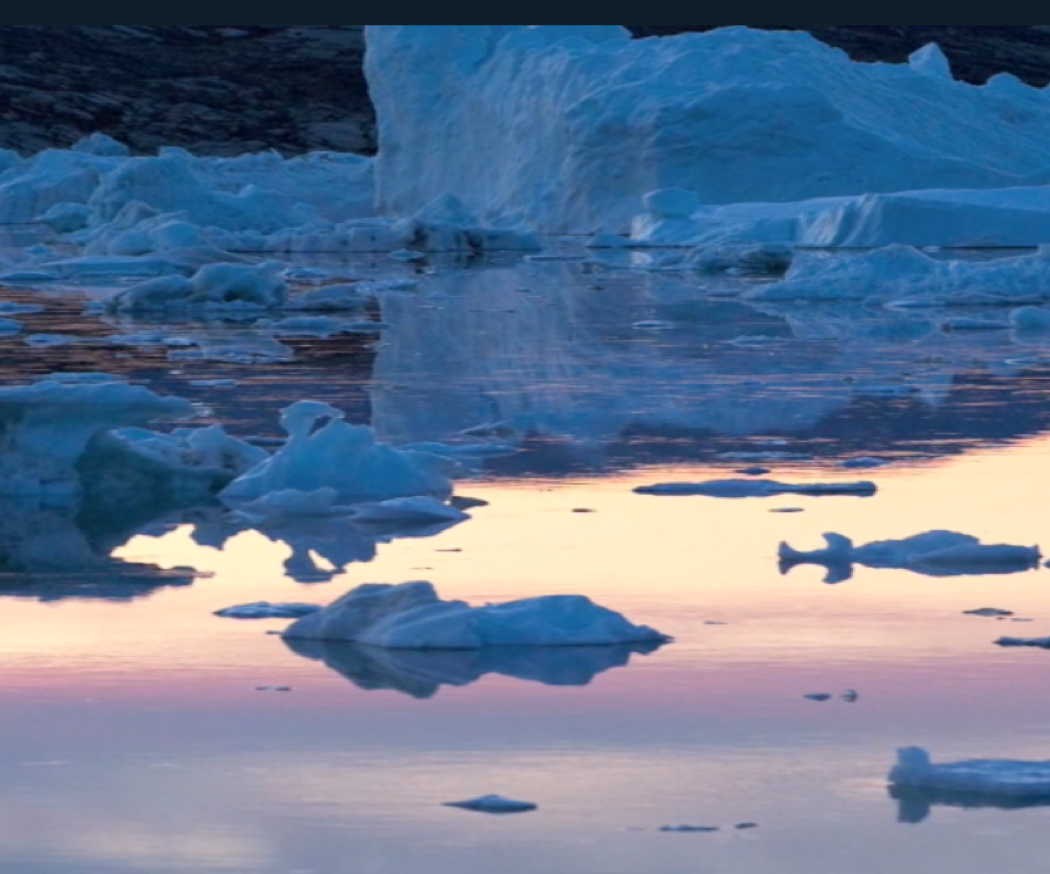 MIT postdoc Roberta Sciascia has been using MITgcm to explore the variations in submarine melt rate of Helheim Glacier induced by glacier and intermediary circulations.
 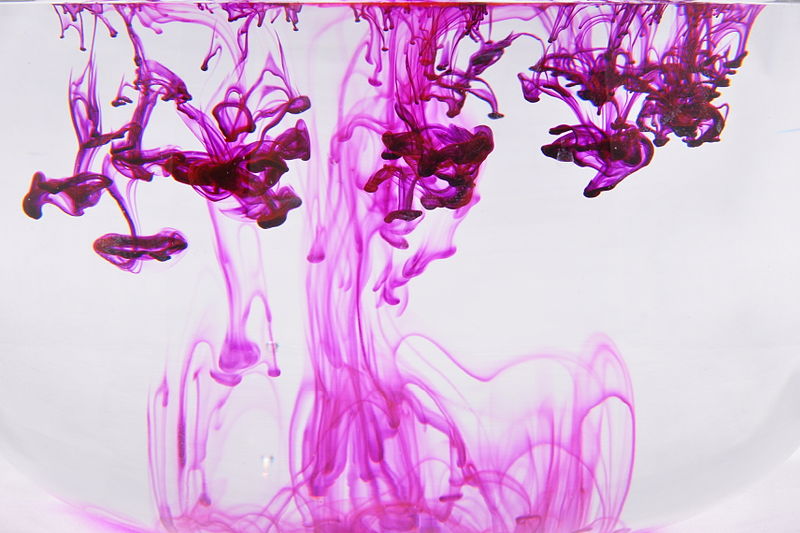 This month we look at new work exploring whether high resolution MITgcm tracer simulations can help “connect the dots” in the sparse sampling problem associated with observing the evolution of released dye in a shallow sea.