Recent posts
Categories
- Adjoint Modeling (6)
- Atmospheric Modeling (11)
- Biogeochemical Modeling (13)
- Climate modeling (20)
- Coupled Modeling (14)
- Lake Modeling (1)
- Model development (8)
- Model-data assimilation (19)
- Ocean modeling (83)
- Offline Modeling (9)
- Planetary Atmospheres (6)
- Sea-ice Modeling (11)
- Uncategorized (18)
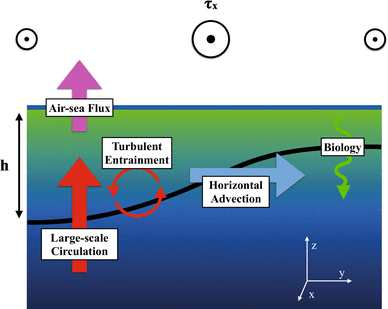 This month we spotlight work from UK researchers led by Ben Bronselaer (formerly of Oxford, now at Princeton) who have been using MITgcm to understand the feedback between mixed-layer partial pressure of carbon dioxide pCO2 and wind stress in the Southern Ocean.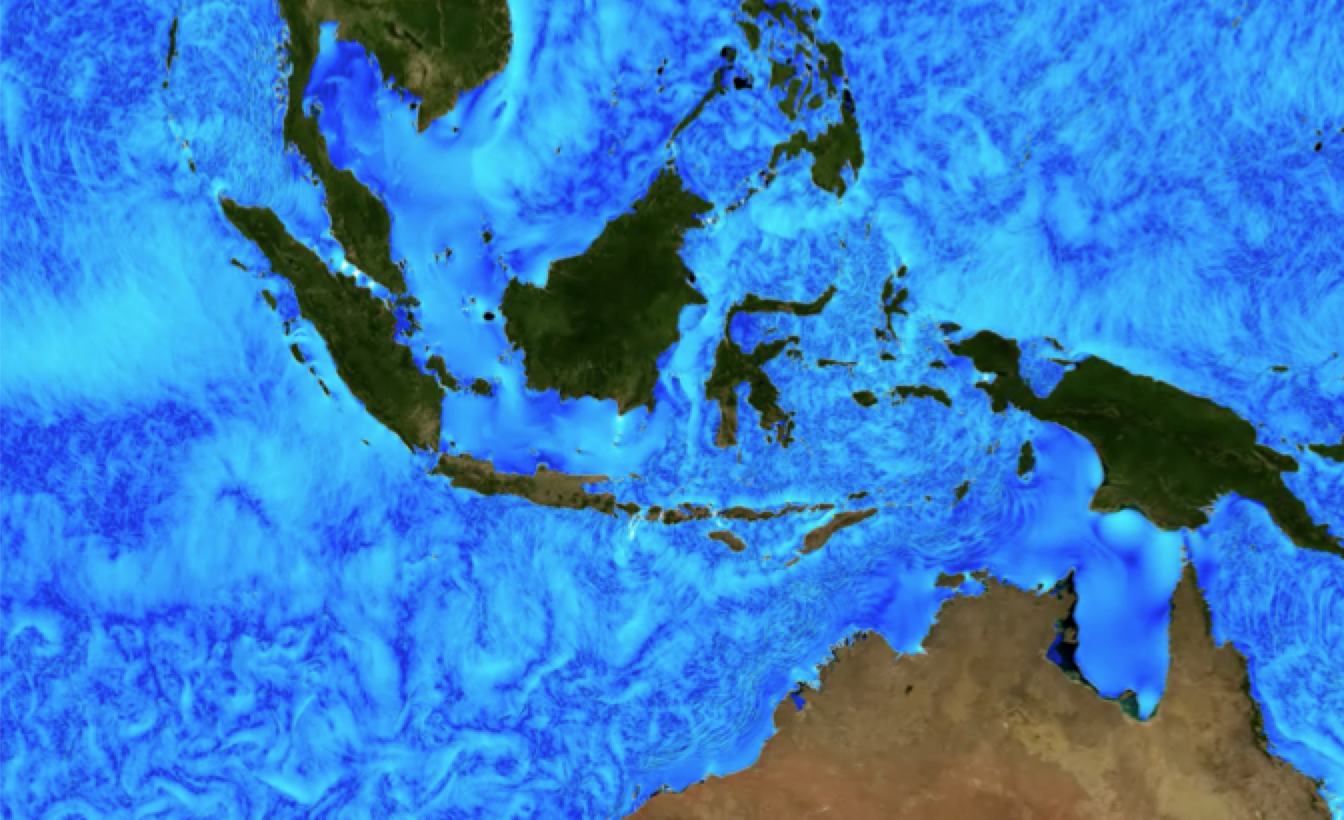
 Happy 2018: Another new year, another research roundup! Best wishes to MITgcmers past, MITgcmers present and MITgcmers yet to come…
 This month we spotlight research from a Georgia Tech team who have been revisiting early modeling experiments using MITgcm to take a closer look at oxygen uptake during deep convection.
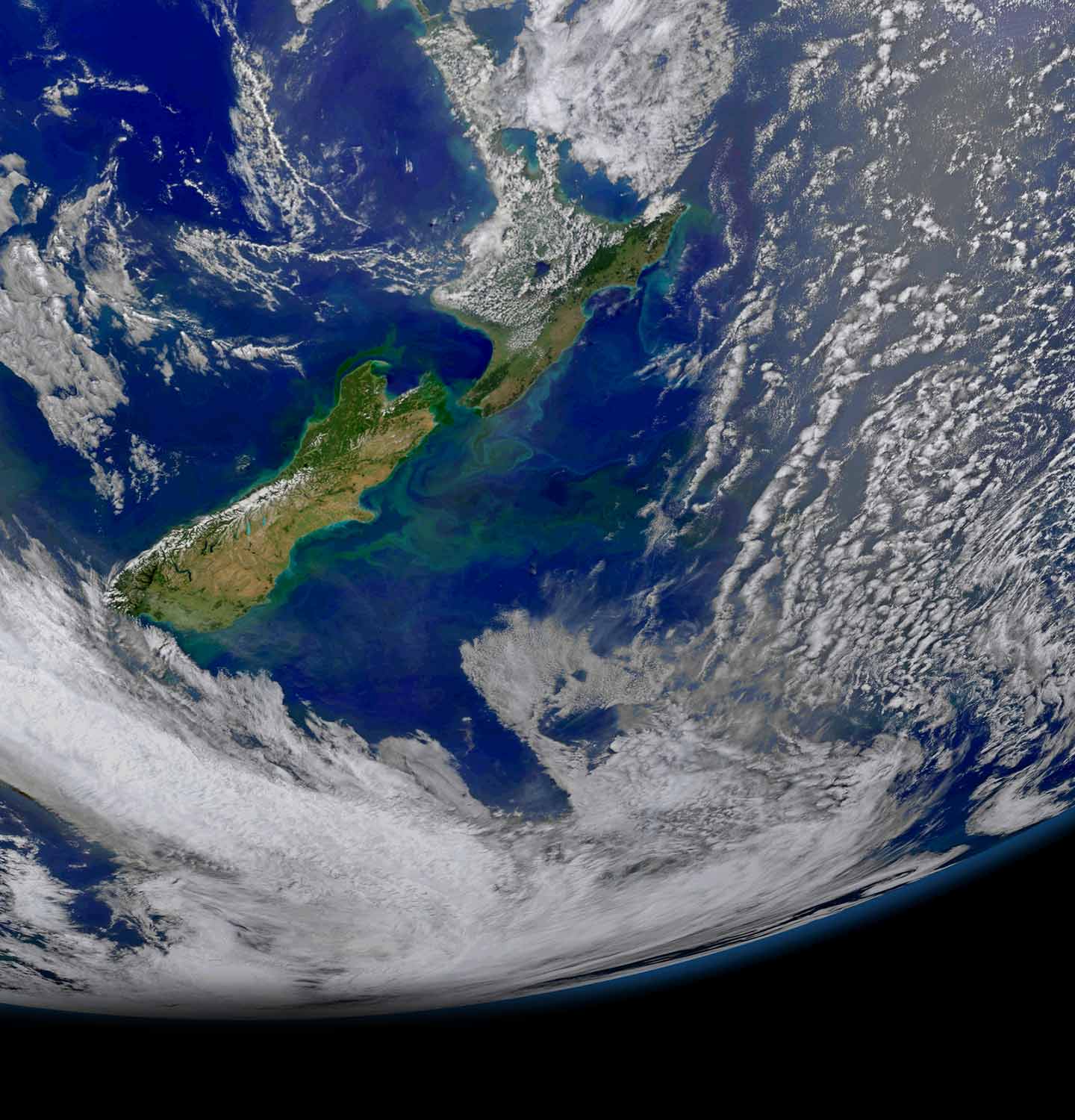 This month we spotlight research from a team in New Zealand who have been using the MITgcm-based ECCOv4 ocean reanalysis product to examine how air–sea heat flux and ocean heat transport convergence due to ocean dynamics contribute to variability of upper ocean temperatures around New Zealand.