
MITbioGeoCheMistry
 This month we spotlight work seeking to couple the MITgcm with another open-source marine biogeochemistry tool developed and maintained by a consortium involving modelers across Europe and also South Africa.
Melting Antarctica
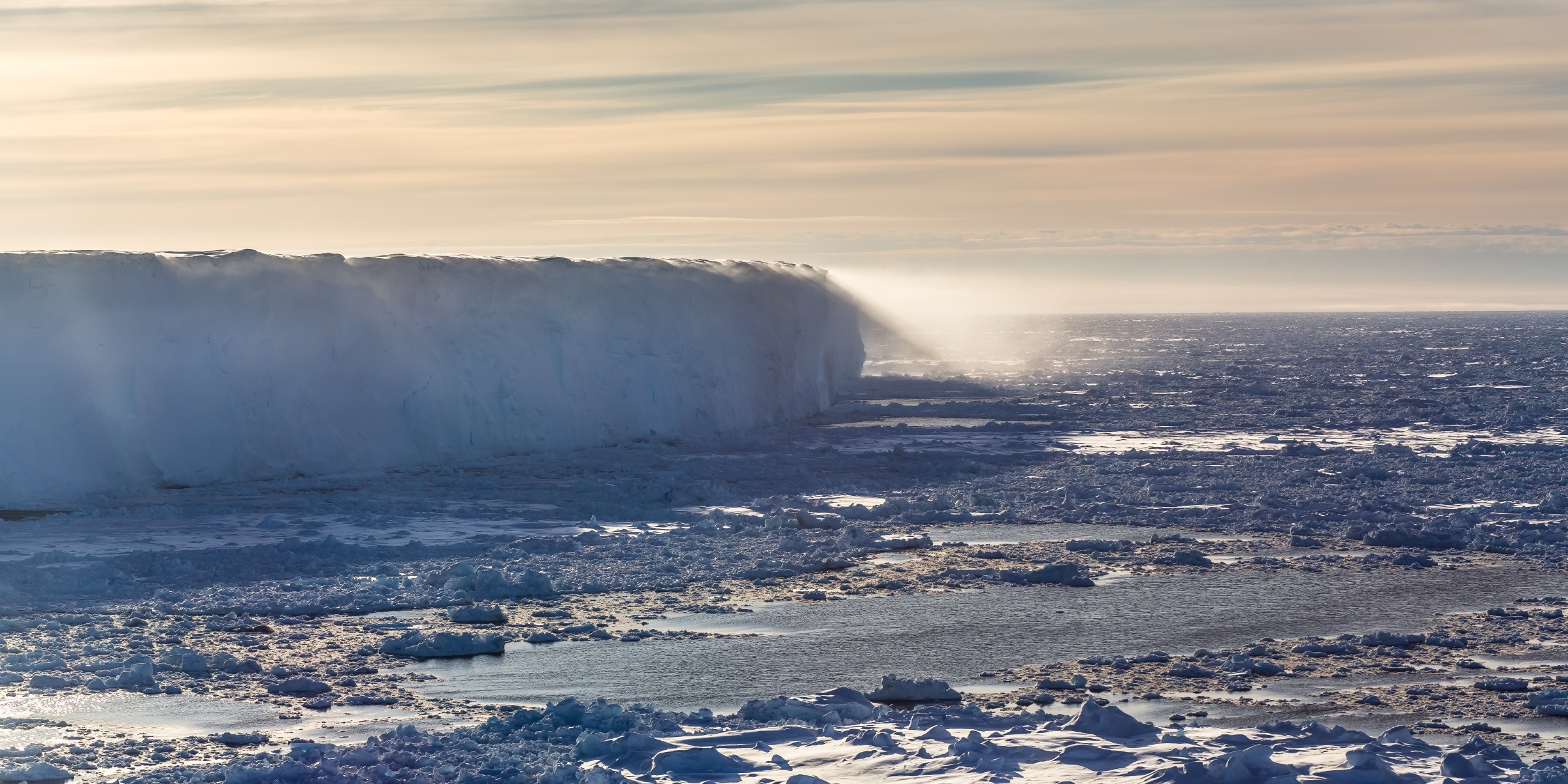 This month we spotlight work by Alberto C. Naveira Garabato. Garabato and his team have been running idealized modelling experiments using MITgcm to study the immediate behavior of meltwater as it ascends from an ice shelf cavity.
Shelf Slip
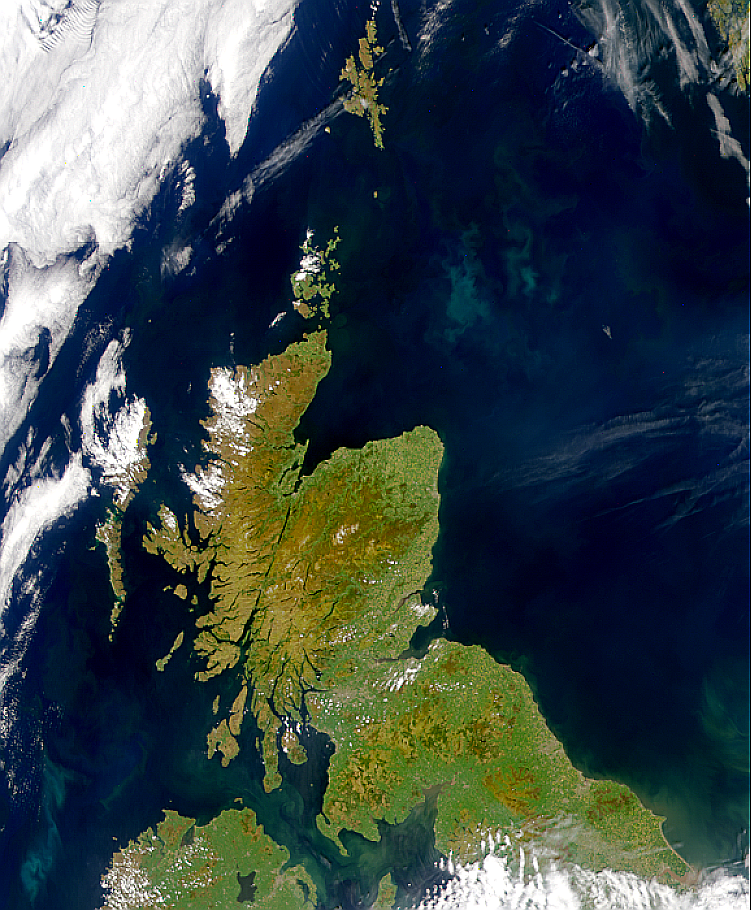 This month we spotlight work by researchers at Imperial College, London, UK, who have been using MITgcm to study the circulation on the Shetland Shelf system.
Reversing the Ionian
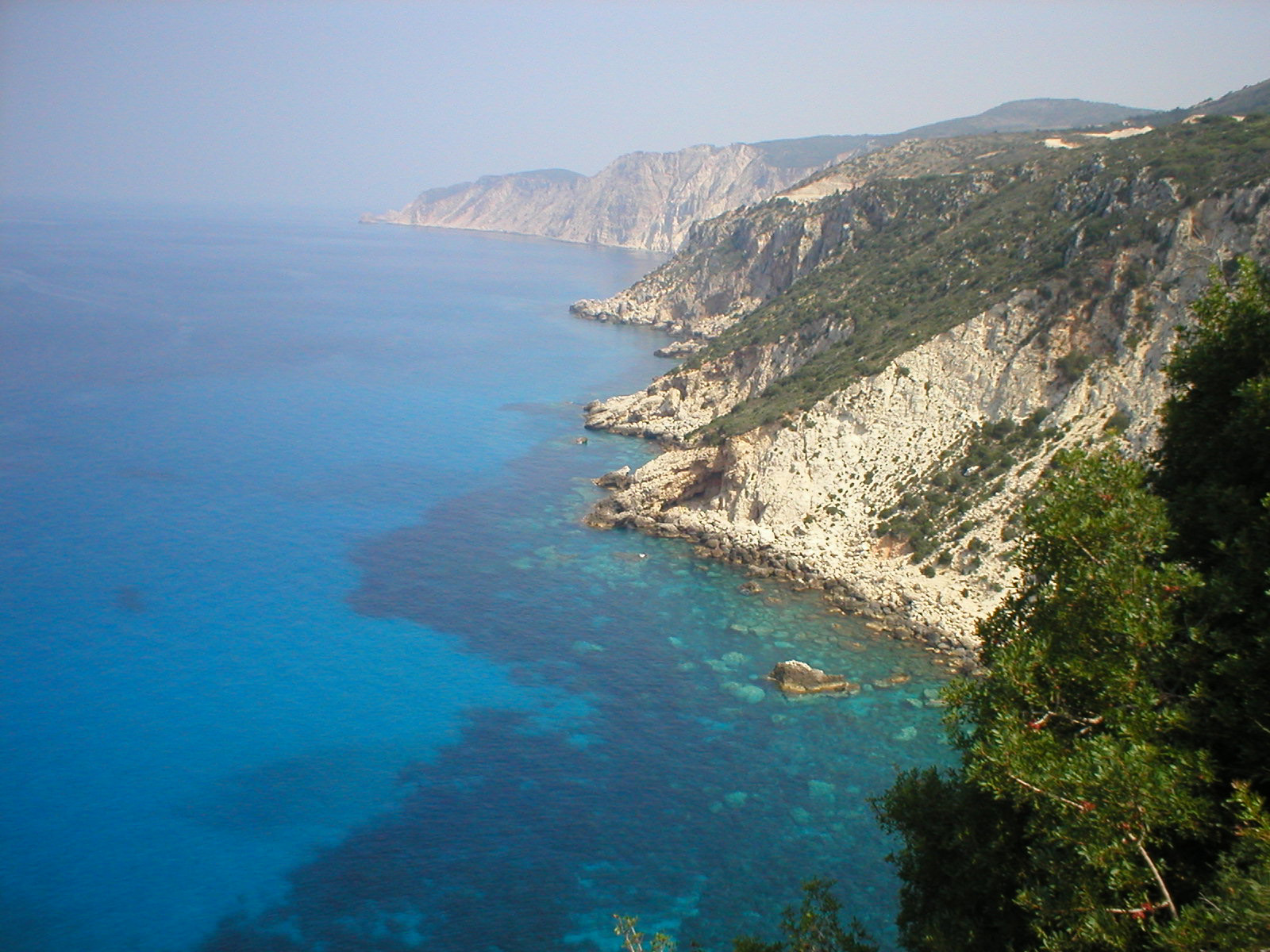 The driving mechanisms behind the decadal reversal of the Ionian Sea upper layer circulation recently sparked a considerable discussion in the Mediterranean scientific community. A new paper by Marco Reale uses MITgcm to explore.
2015 Research Roundup
 Another new year, another research roundup! Best wishes to MITgcmers past, MITgcmers present and MITgcmers yet to come…
Wind Blown
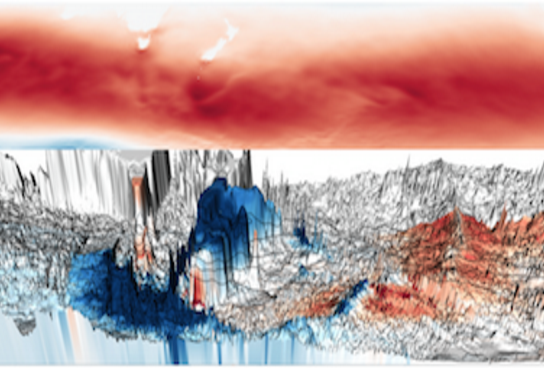 In a new study, researchers from Scripps have been using MITgcm to evaluate the role form stress across bottom topography plays in balancing the input of stress by wind at the surface.
Jurassic Currents
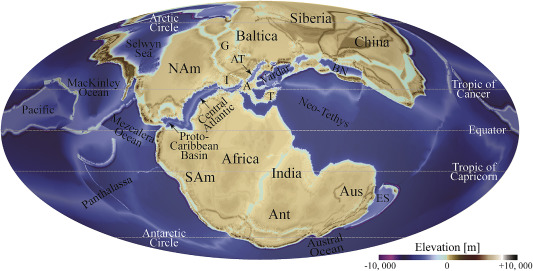 This month we look at new work by a team of Swiss researchers who have been using MITgcm to explore the ocean circulation associated with the global land distribution during the Jurassic.
An Eddy – Internal Solitary Wave Tango
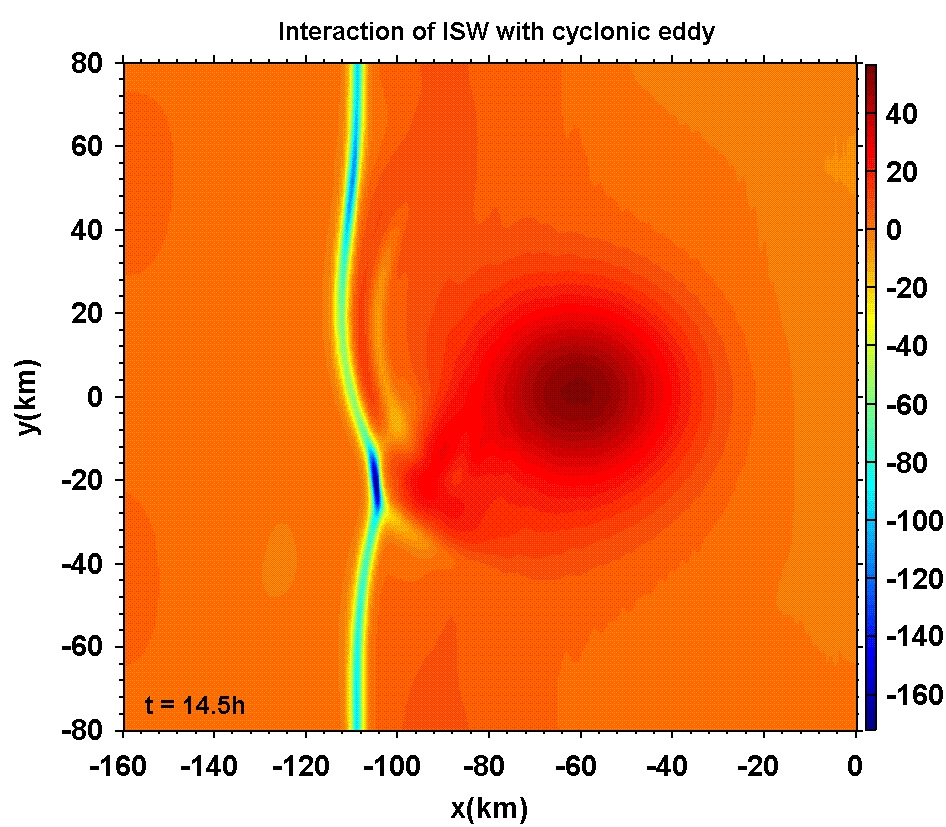 This month we spotlight work by a team from the Chinese Academy of Science’s South China Sea Institute of Oceanology, Guangzhou, China, who have been using MITgcm to investigate the interaction of internal solitary waves with mesoscale eddies.
Mercury Rising
 A joint Harvard – MIT study uses MITgcm to explore the biogeochemistry of riverine mercury.
Red Sea Crossing
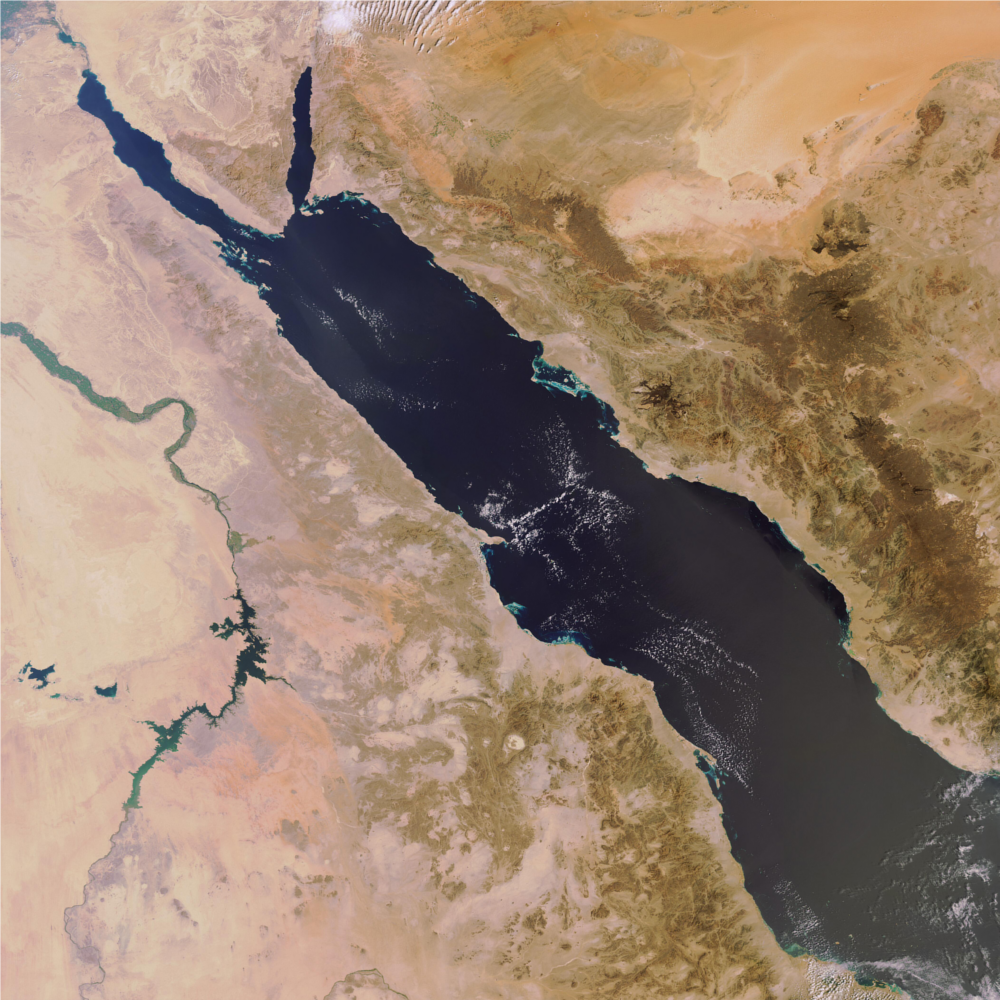 Using MITgcm to investigate the origin of a mid-basin cross-over current in a study of the buoyancy driven circulation in the Red Sea.