
Exploring the Southern Ocean pCO2 Wind Stress Connection
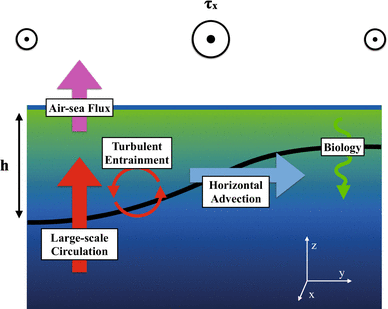 This month we spotlight work from UK researchers led by Ben Bronselaer (formerly of Oxford, now at Princeton) who have been using MITgcm to understand the feedback between mixed-layer partial pressure of carbon dioxide pCO2 and wind stress in the Southern Ocean.
The Seesawing Indonesian Through Flow
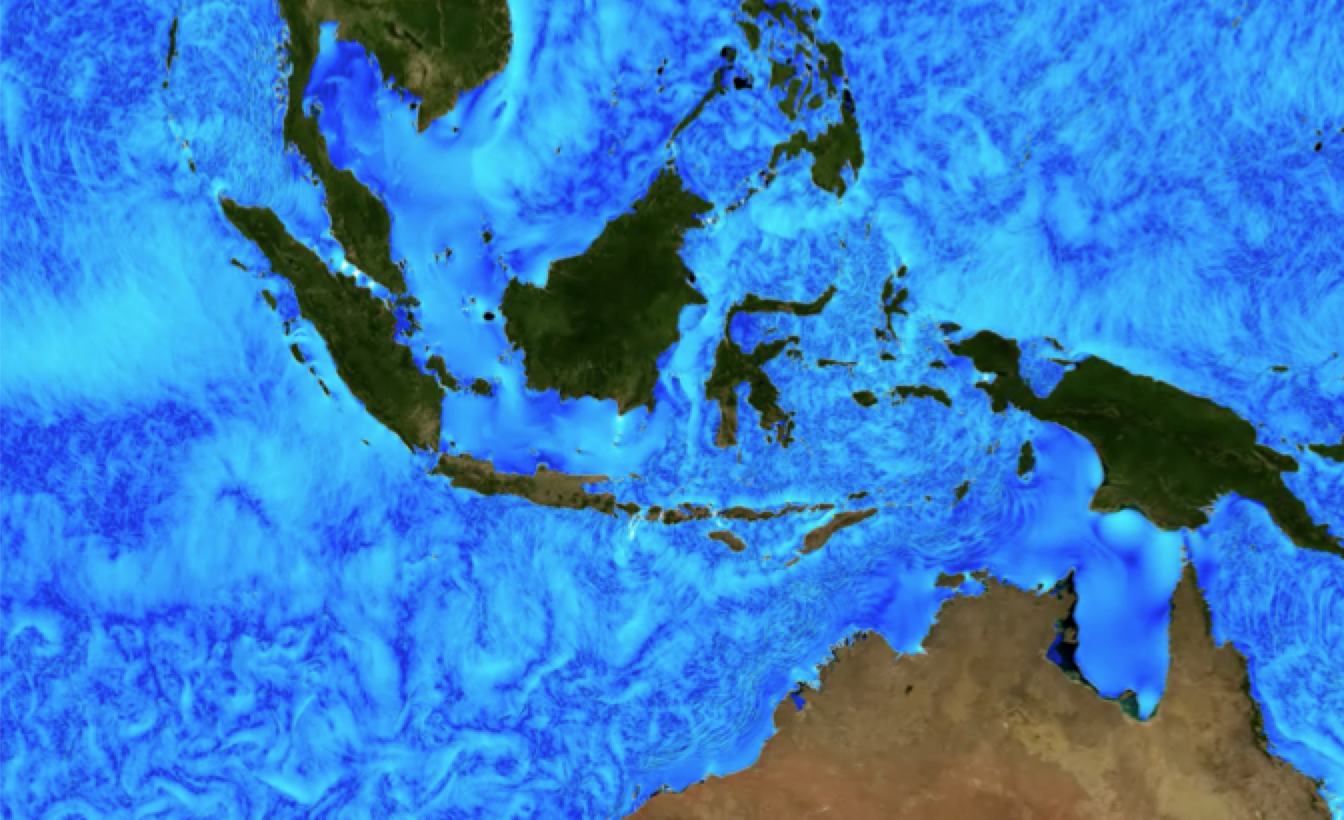
This month we spotlight work from researcher Wlademir Santis (Oceanographic Institute, University of Sao Paulo, Pça. do Oceanográfico, Brazil) and co-authors who have been using MITgcm in work seeking to understand how the Indonesian Throughflow (ITF) might vary under ice age conditions.
2017 Research Roundup
 Happy 2018: Another new year, another research roundup! Best wishes to MITgcmers past, MITgcmers present and MITgcmers yet to come…
Shaken and Stirred
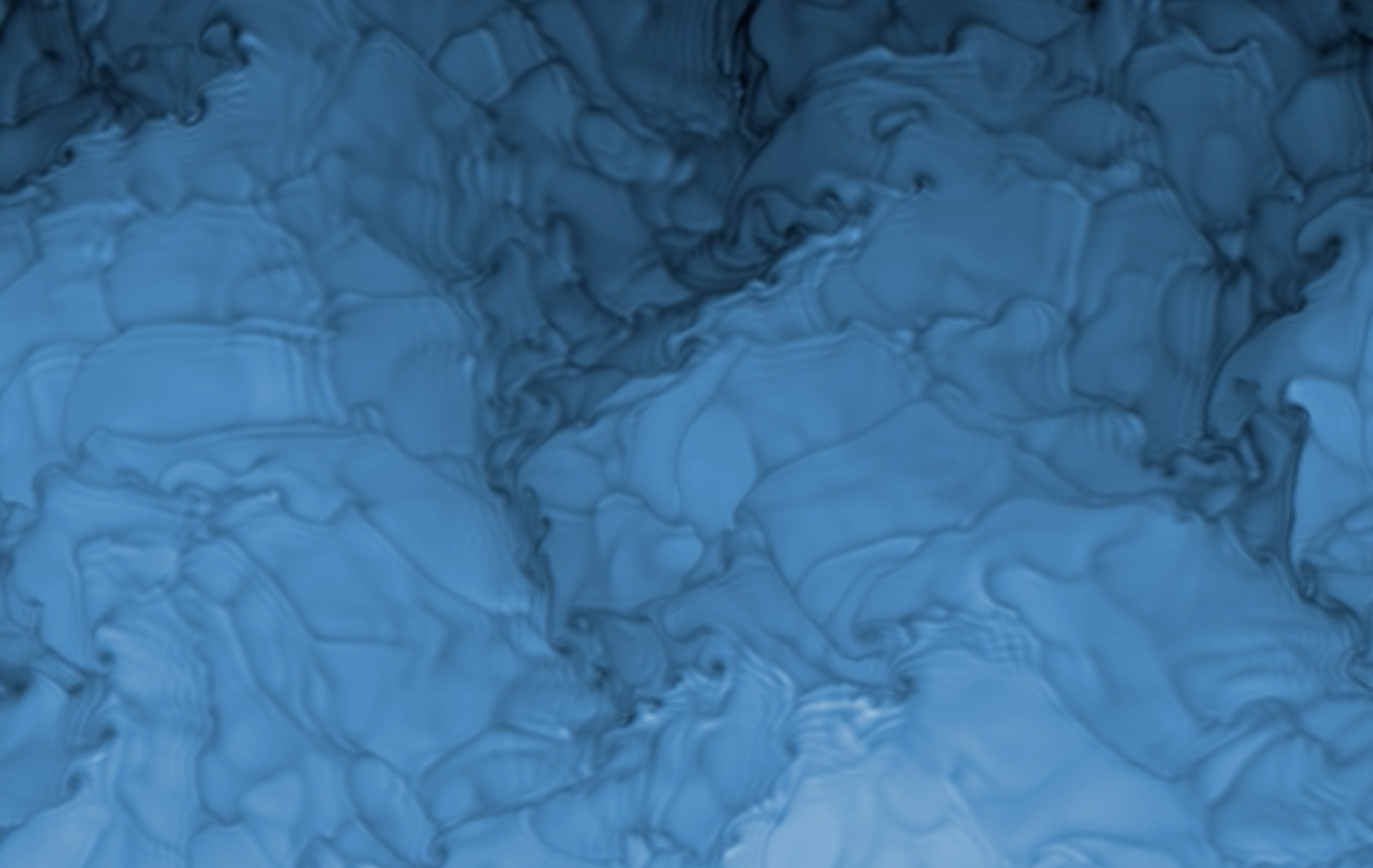
This month we spotlight research from researchers at MIT have been using MITgcm to model the interplay between vertical convection and lateral exchange due to baroclinic instability.
How the Ocean Breaths
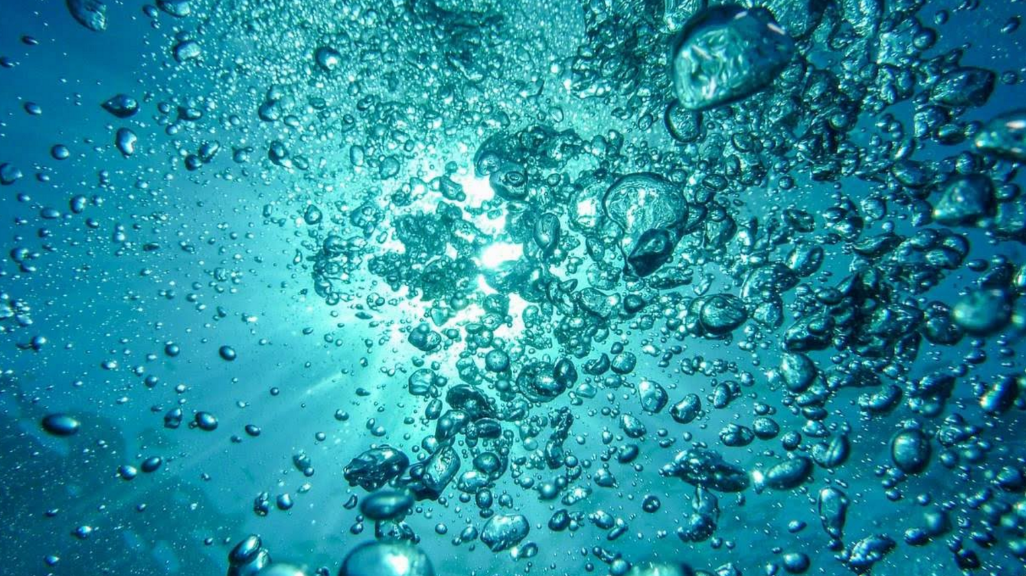 This month we spotlight research from a Georgia Tech team who have been revisiting early modeling experiments using MITgcm to take a closer look at oxygen uptake during deep convection.
Modeling Melting Glaciers
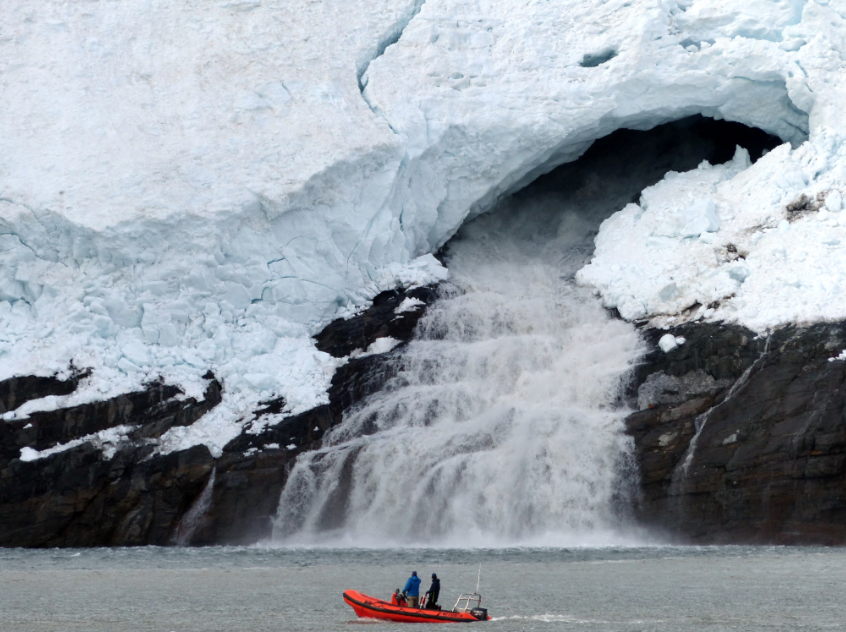
This month we spotlight a recent multi-institutional study led by Dustin Carroll that has been using MITgcm to explore what controls circulation in tidewater glacier fjords.
ECCO Sheds Light on Upper Ocean Variability Around New Zealand.
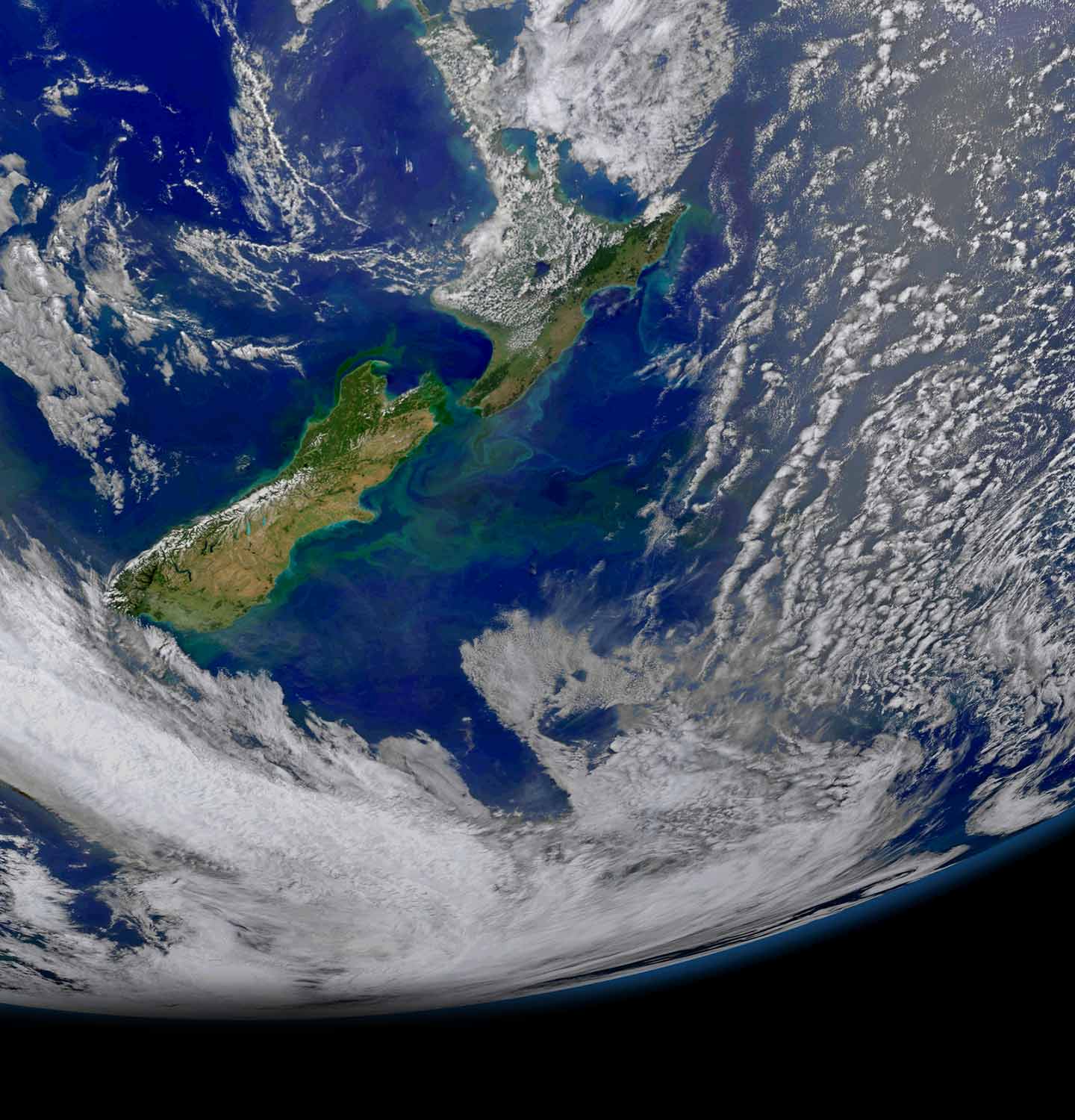 This month we spotlight research from a team in New Zealand who have been using the MITgcm-based ECCOv4 ocean reanalysis product to examine how air–sea heat flux and ocean heat transport convergence due to ocean dynamics contribute to variability of upper ocean temperatures around New Zealand.
What you Can Do With a Really Rather Realistic Ocean Model
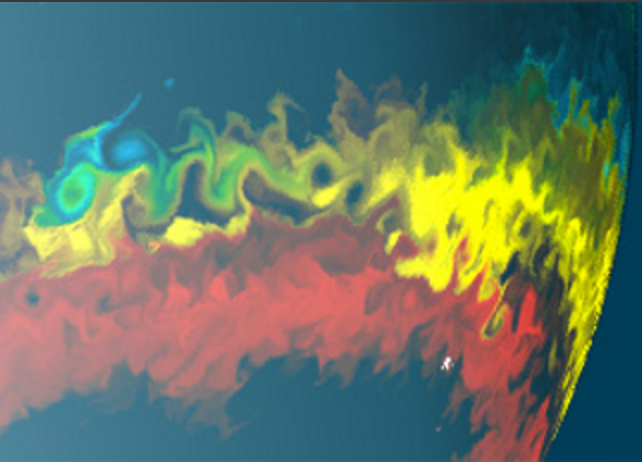
This month we spotlight research from MIT’s Darwin Project exploring how changes in spatial resolution impact emergent biogeochemistry and phytoplankton community structure in their work using MITgcm and the biogeochemical models they have built to surround it.
The Thickness of Winter Water
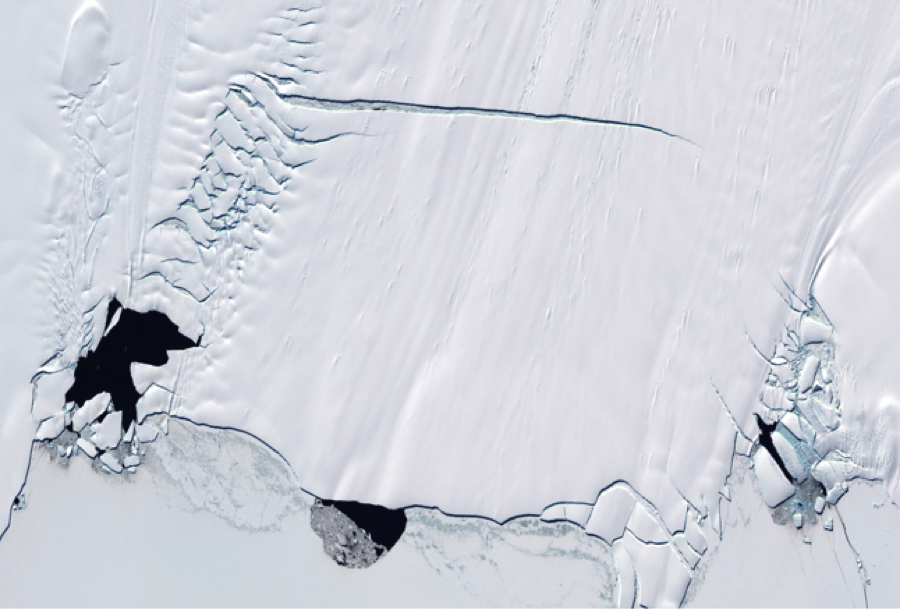
This month we turn our attention to scientists working at NASA JPL who have been using MITgcm to examine what sets the thickness of so-called “Winter Water” in a region of the Antarctic off shore from the Pine Island Glacier.
MITbioGeoCheMistry
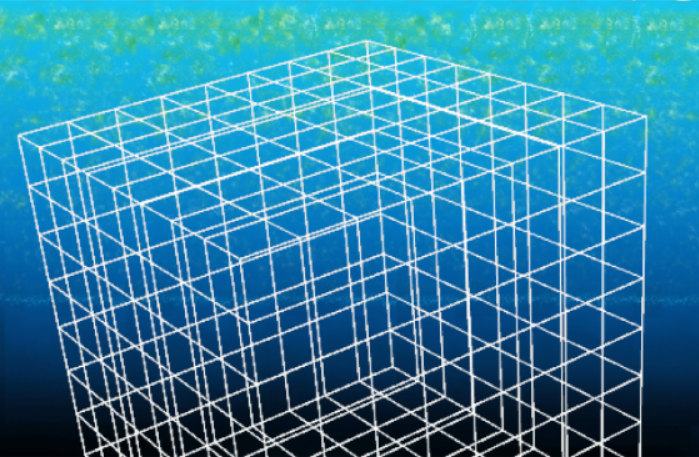 This month we spotlight work seeking to couple the MITgcm with another open-source marine biogeochemistry tool developed and maintained by a consortium involving modelers across Europe and also South Africa.