
Reversing the Ionian
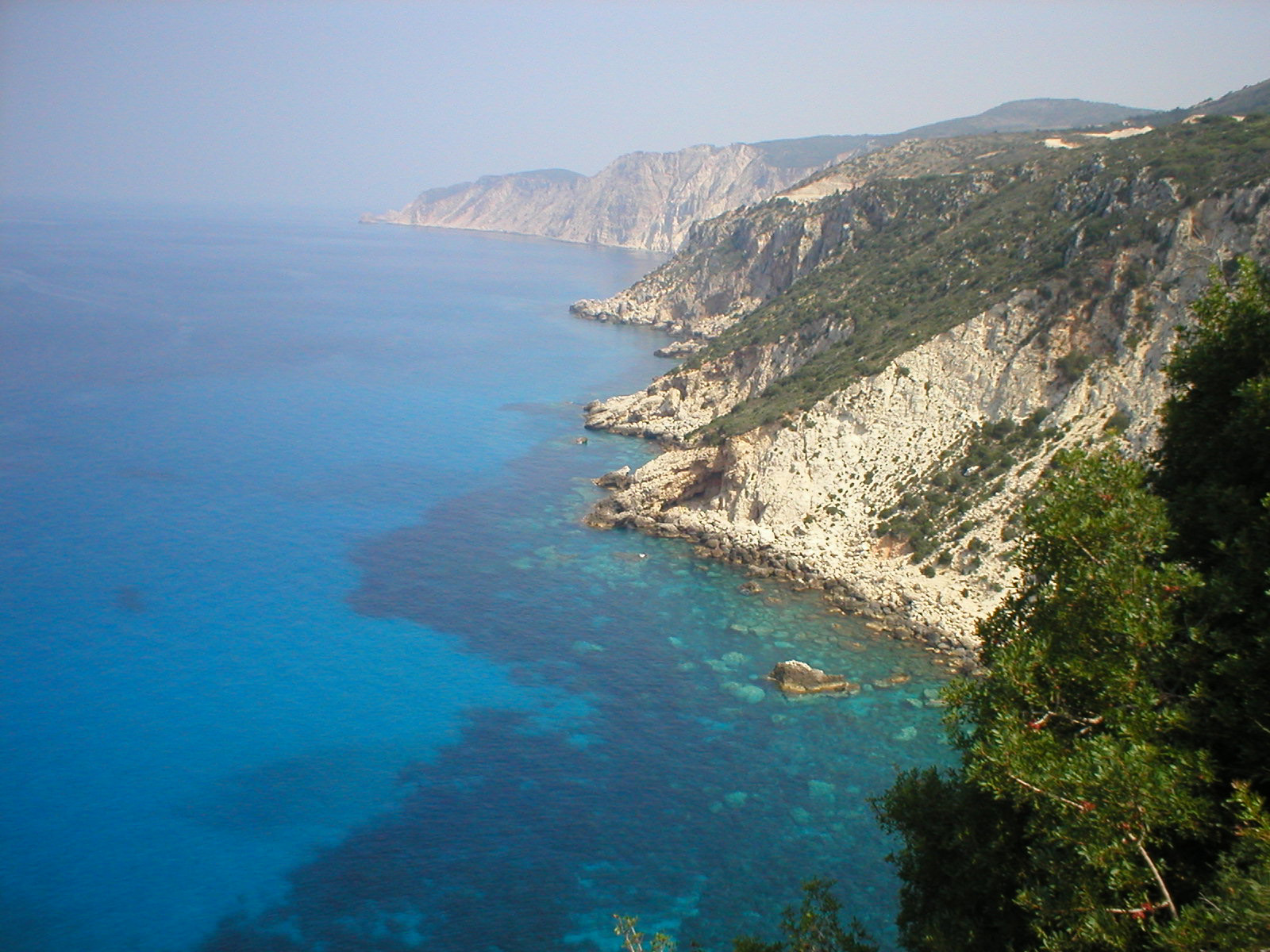 The driving mechanisms behind the decadal reversal of the Ionian Sea upper layer circulation recently sparked a considerable discussion in the Mediterranean scientific community. A new paper by Marco Reale uses MITgcm to explore.
Summing Up Southern Ocean Upwelling
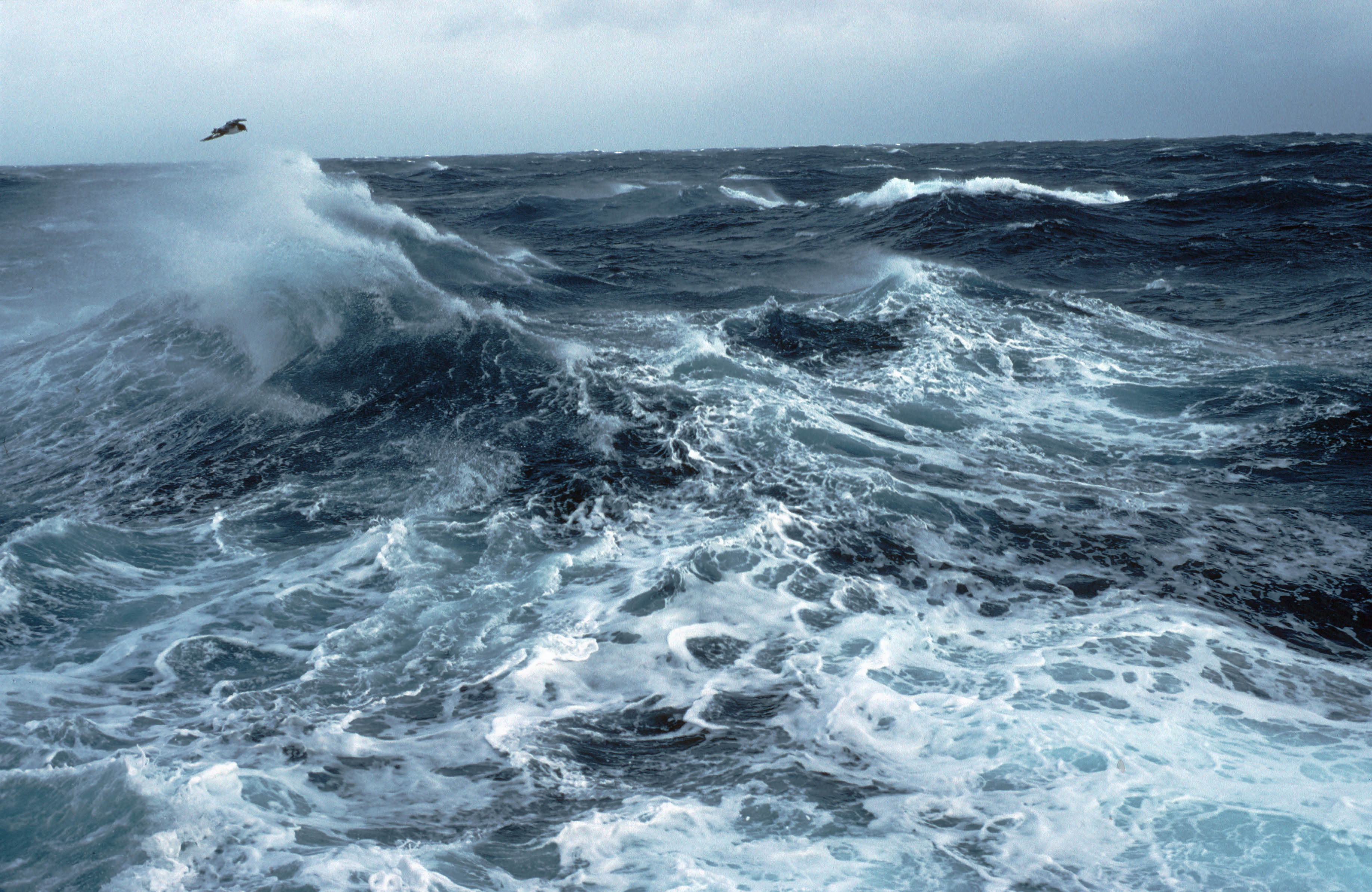 This month we spotlight work using MITgcm to better understand how upwelling associated with the Antarctic Circumpolar Current connects with atmospheric CO2 concentrations.
Shelf Life
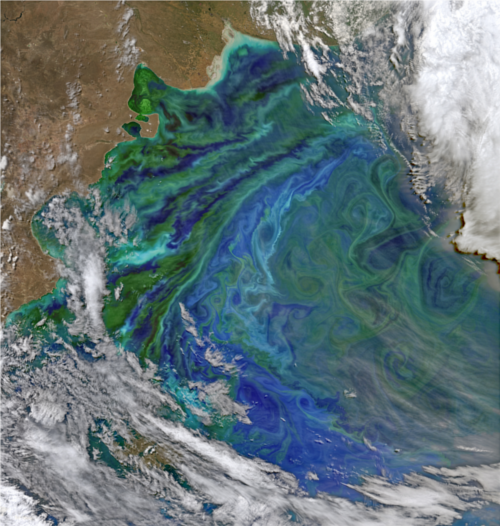 This month we focus on work led by Hajoon Song, a postdoc at MIT, who has been using MITgcm to explore nutrient sources for the Patagonia Shelf Region.
Turning Ocean Mixing Upside Down
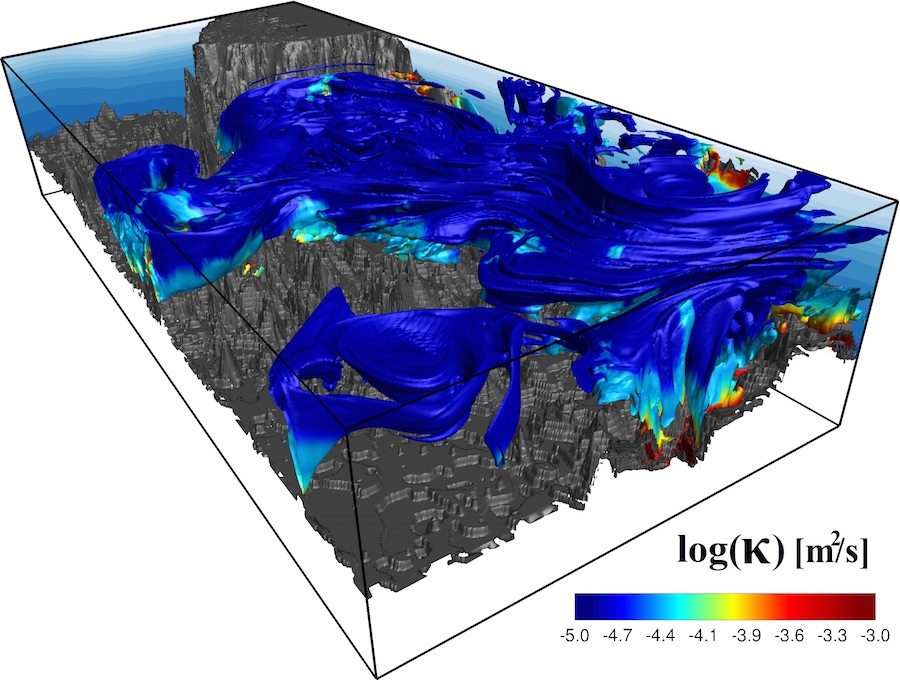 This month we report on work by Ali Mashayek and Raf Ferrari of MIT who have been using MITgcm to help them understand what sets the density structure and rate of overturning in the ocean.
Jurassic Currents
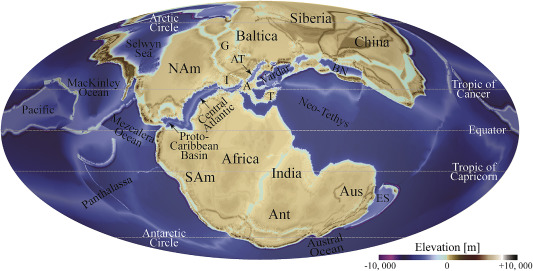 This month we look at new work by a team of Swiss researchers who have been using MITgcm to explore the ocean circulation associated with the global land distribution during the Jurassic.
Red Sea Crossing
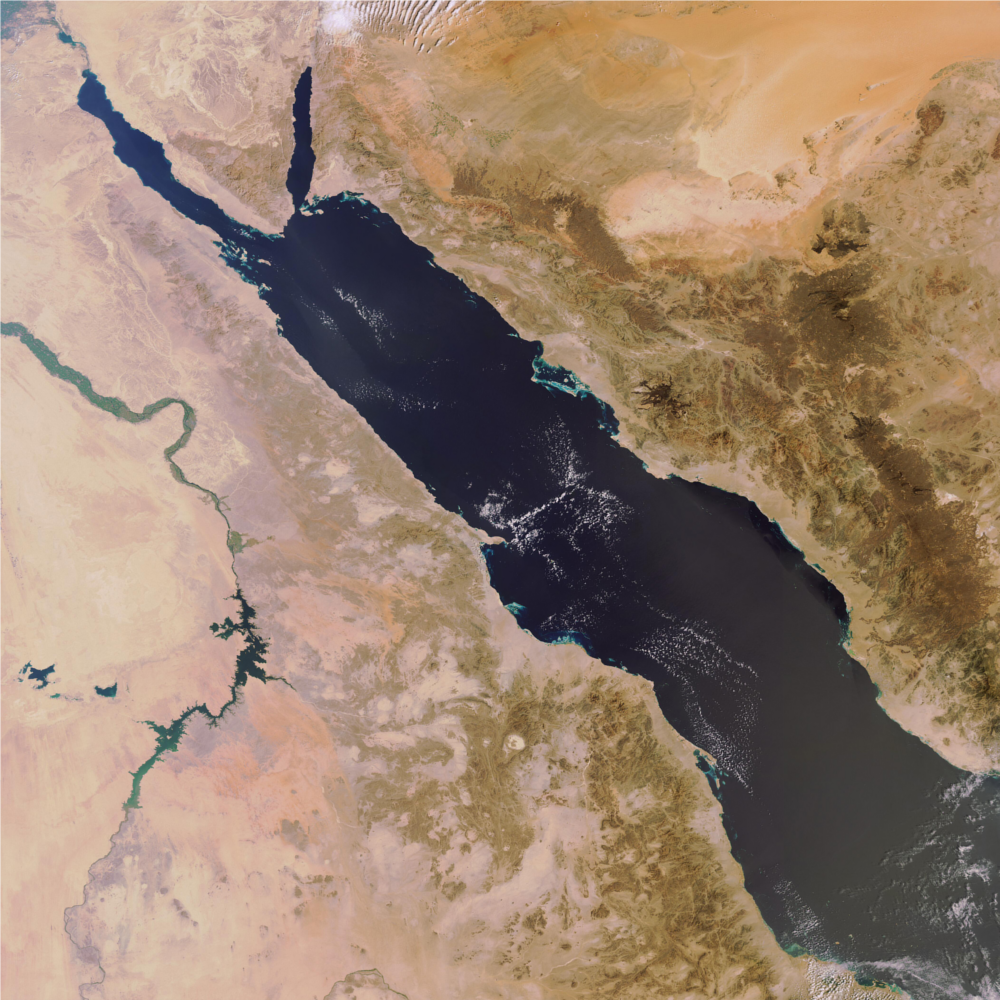 Using MITgcm to investigate the origin of a mid-basin cross-over current in a study of the buoyancy driven circulation in the Red Sea.
Not Finding Nemo
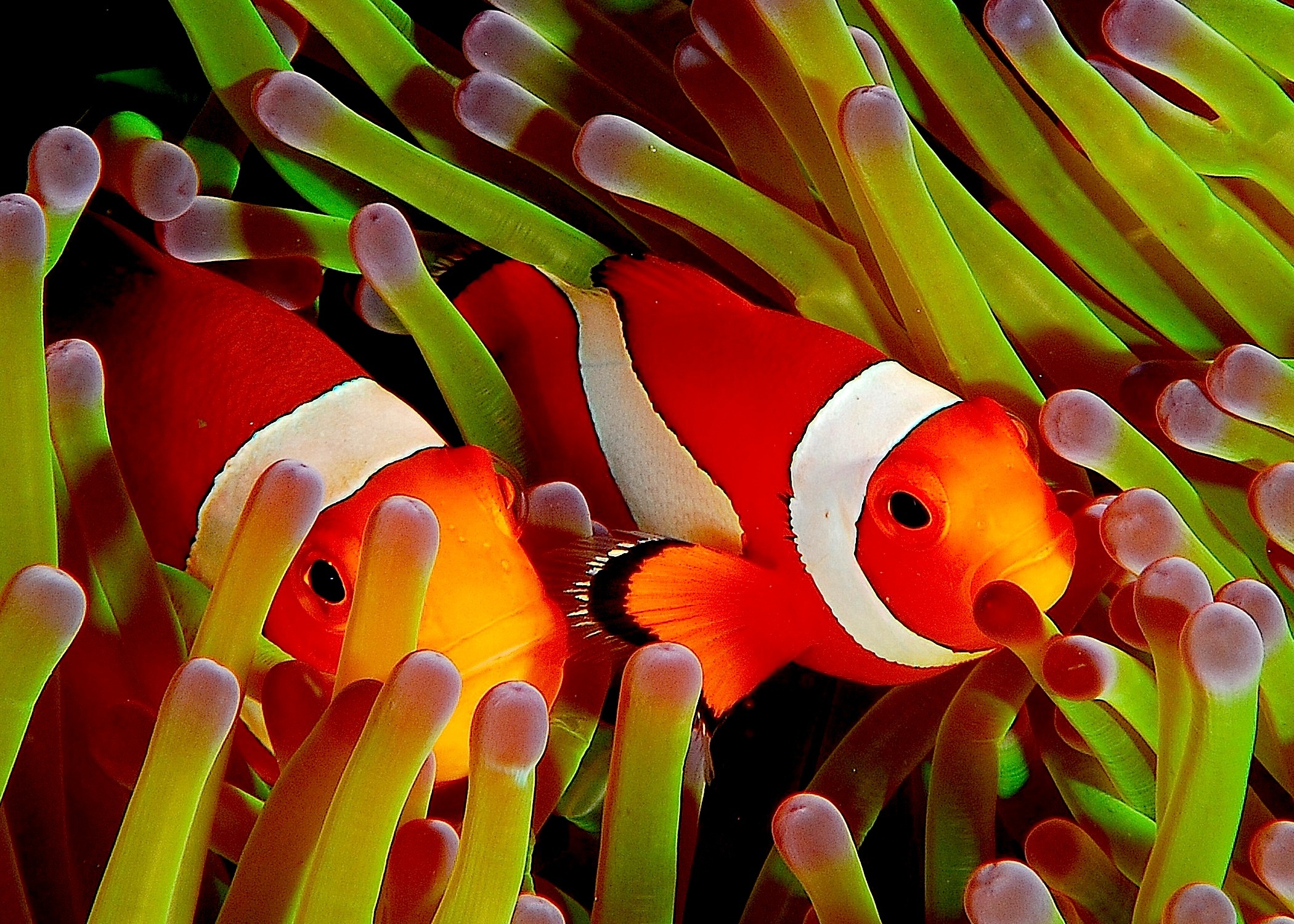 Researchers at King Abdullah University of Science and Technology have been using MITgcm to study larval dispersal in the Red Sea.
Getting to the Bottom of Greenland’s Glaciers
 MIT postdoc Roberta Sciascia has been using MITgcm to explore the variations in submarine melt rate of Helheim Glacier induced by glacier and intermediary circulations.
Connecting the Dots with MITgcm
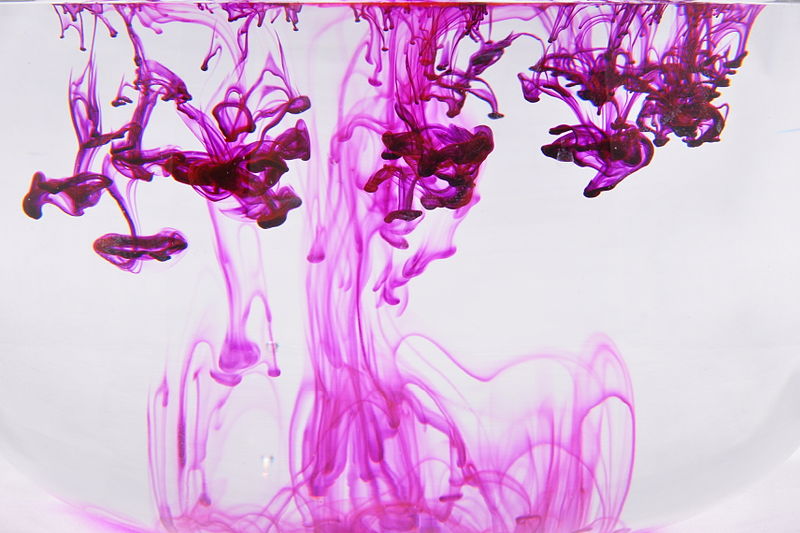 This month we look at new work exploring whether high resolution MITgcm tracer simulations can help “connect the dots” in the sparse sampling problem associated with observing the evolution of released dye in a shallow sea.
Phytoplankton Diversity versus Productivity in the Ocean
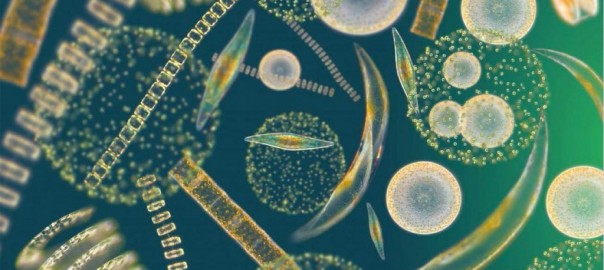 In new work published in Nature Communications in July, an international team of scientists from the Massachusetts Institute of Technology and the Institute of Marine Sciences of Barcelona, Spain in collaboration with the National Centre for Scientific Research, France have been using MITgcm to study the balance between phytoplankton diversity and productivity.